
Last updated November 20, 2026
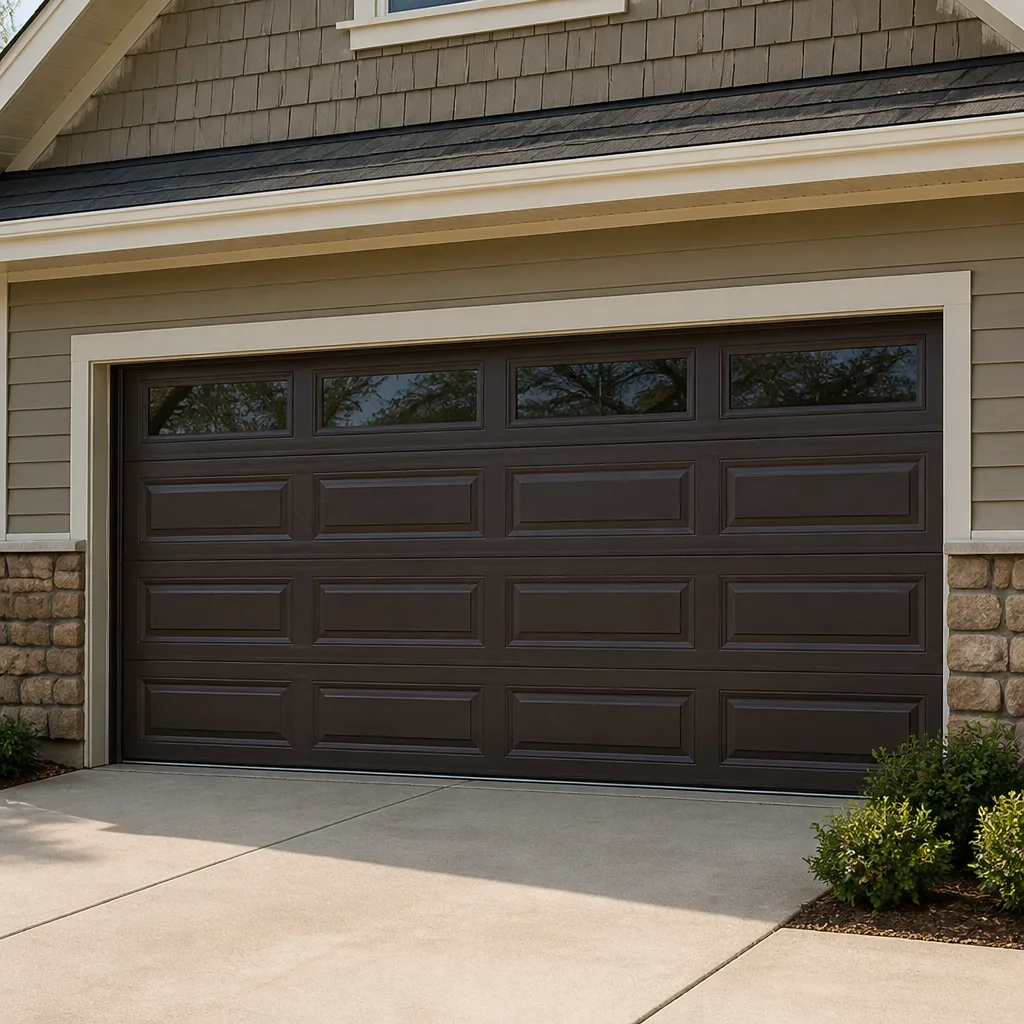 Raised-panel steel
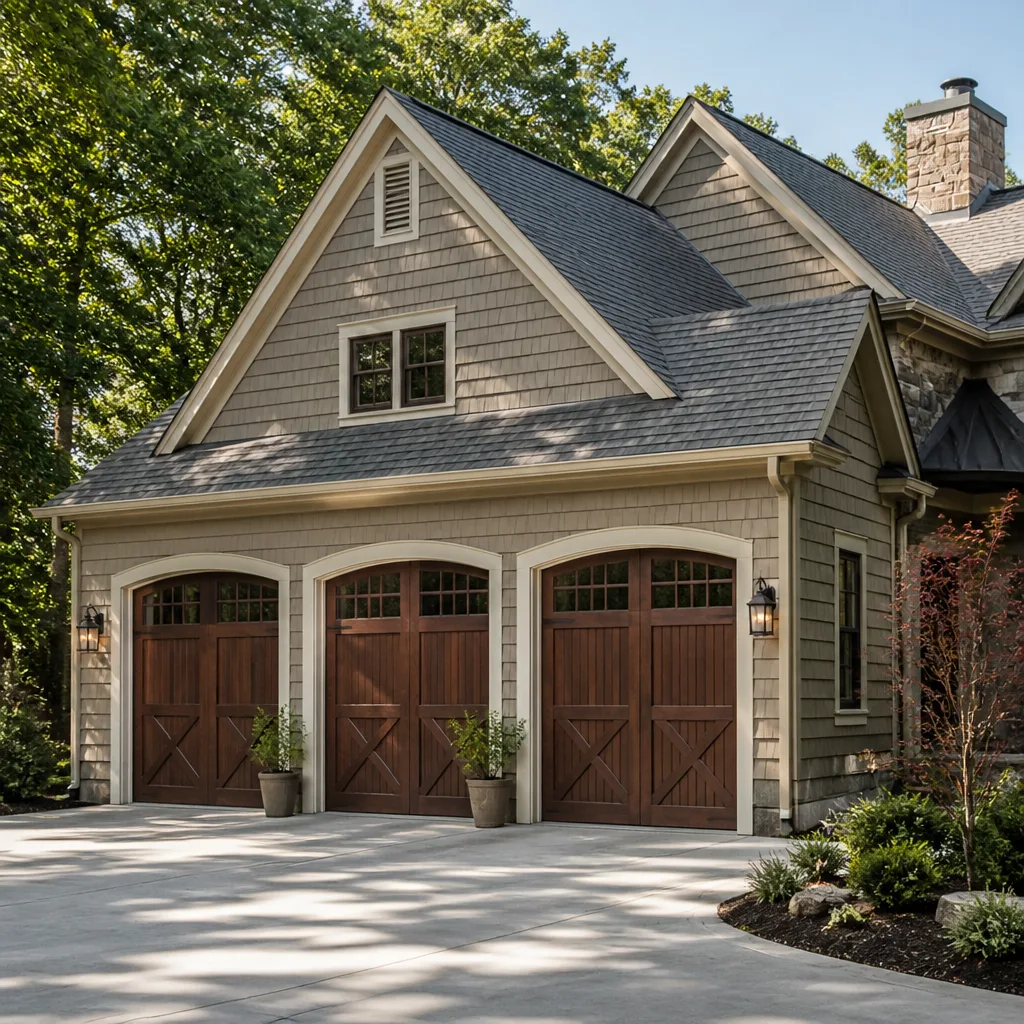 Carriage house
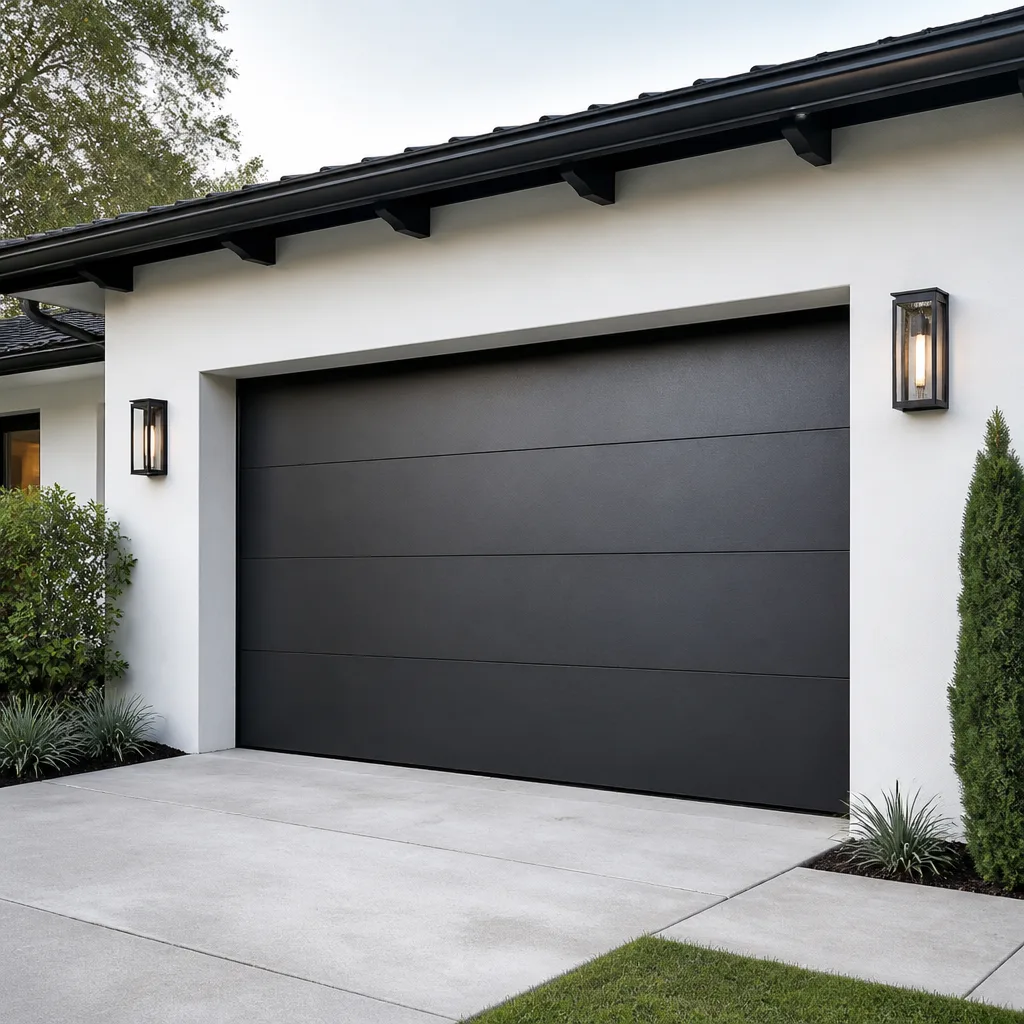 Modern flush
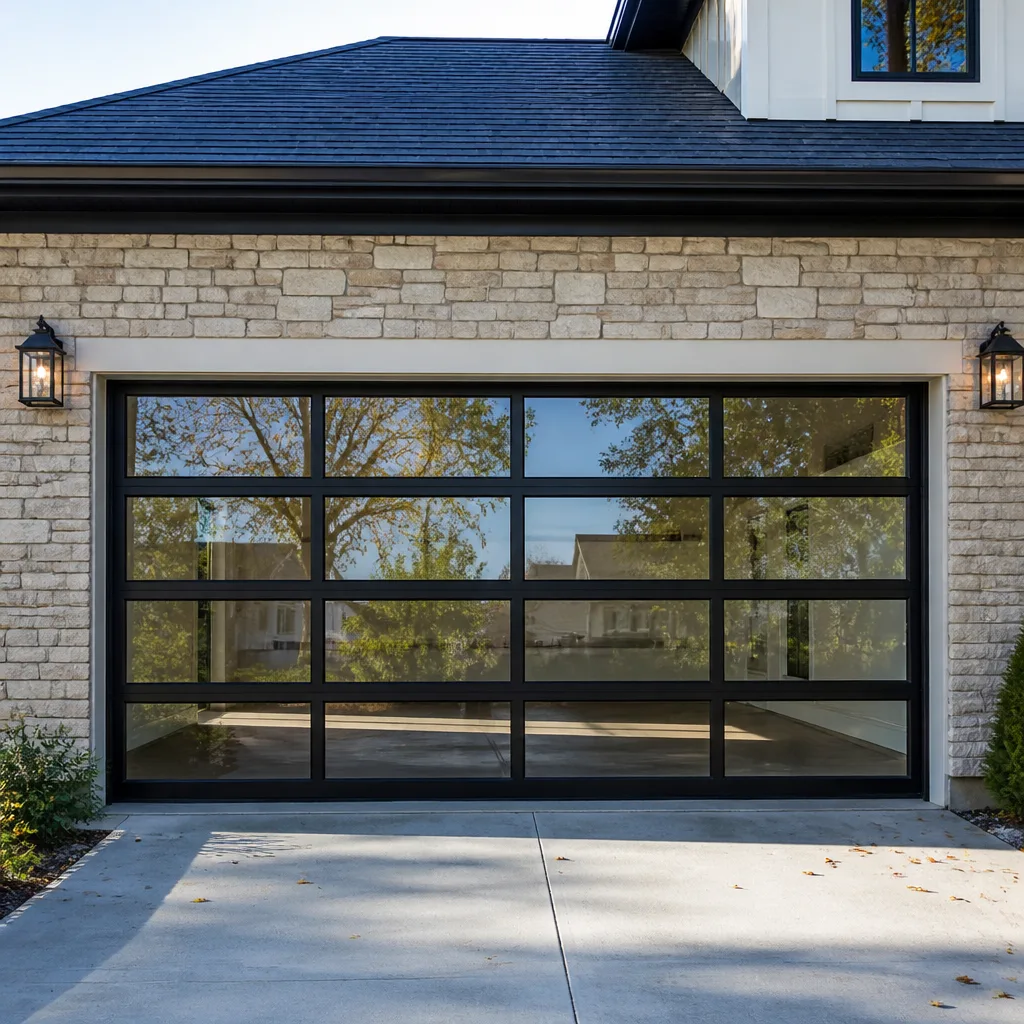 Full-view glass
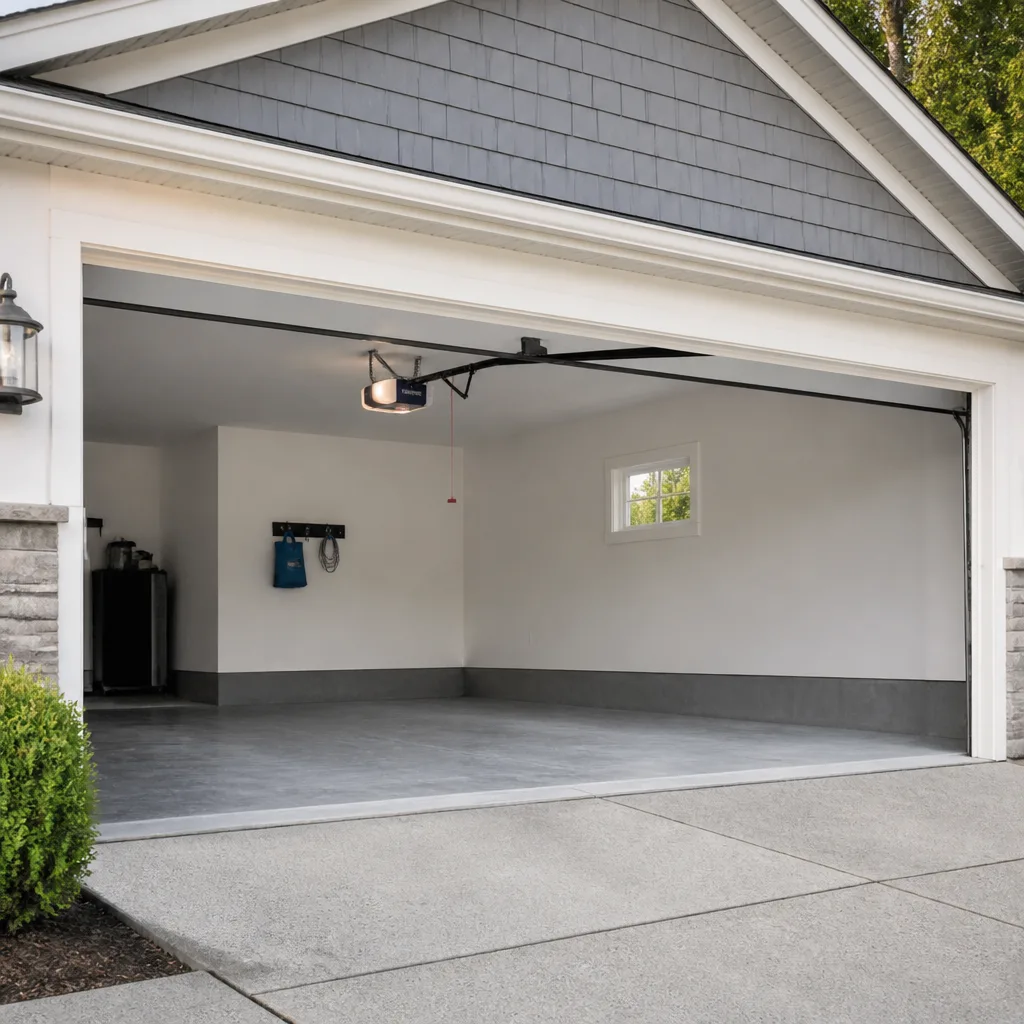 LiftMaster openers
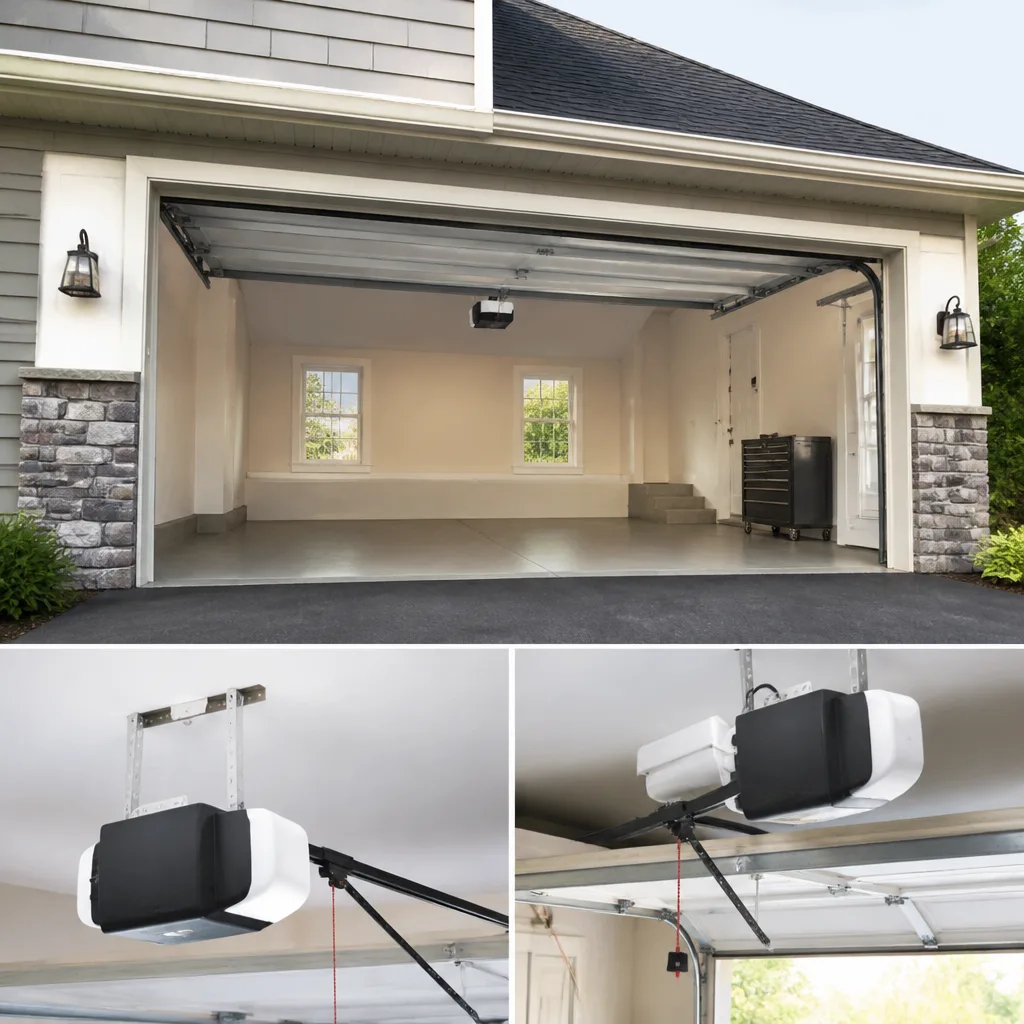 Chamberlain openers
Full 25-point door and opener safety check with every visit - springs, cables, rollers, tracks, and your LiftMaster or Chamberlain opener included
You get a price before we start. It does not change when the pro arrives.
Get your free estimateGarage Door Warning Signs: An Irvington Homeowner’s Reference Guide
Most garage door failures announce themselves weeks before they strand your car. The sound you hear on the way out the door each morning is diagnostic information, and so is the speed of the door, the way it settles at the bottom, and the small gap in a spring coil you might never notice. Homeowners in Irvington tend to treat a grumbling door as background noise until something snaps. This reference guide decodes those signals mechanically, so you can tell the difference between a small adjustment and a component that’s about to fail. It covers sounds, movement, and visual indicators, plus which conditions mean stop using the door today.
Quick Answer
Garage door warning signs fall into three groups: sounds (grinding, popping, squealing, banging), movement problems (jerking, uneven lift, slow ascent, unexplained reversal), and visual cues (spring gaps, slack cables, worn rollers, bent tracks). Sounds and visible spring or cable damage mean stop using the door. Slight squeaks, minor roller noise, or an opener that occasionally hesitates allow monitored continued use until a technician can look at it. Any sign tied to springs or cables is a safety matter, not a maintenance item.
Styles & brands we work with
- Raised-panel steel
- Carriage house
- Modern flush
- Full-view glass
- LiftMaster openers
- Chamberlain openers
Table of Contents
- What Your Garage Door’s Sounds Are Telling You
- Movement Signals: Uneven Lift, Jerking, and Slow Ascent
- Visual Warning Signs You Can Check From the Floor
- Signs That Mean Stop Using the Door Immediately
- Signs That Allow Monitored Continued Use
- Why Irvington’s Weather Works on Your Door
- How to Document Symptoms Before You Call
- Is It the Opener or the Door? Telling Them Apart
What Your Garage Door’s Sounds Are Telling You
Sound is the earliest warning system a garage door has. Each type of noise points to a different component, and mixing them up is why so many homeowners replace the wrong part. Here’s how we read each one.
Grinding
Grinding usually points to metal-on-metal contact: worn rollers with flat-spotted bearings, dry hinges, or a torsion tube that’s lost lubrication. If grinding only happens during the first foot of travel, worn rollers are the likely cause. If it persists the whole way up, look at the hinges and the tube.
Popping
A sharp pop, especially one that seems to come from above the door, is often a torsion spring slipping in its drum or a cable jumping its spool. Popping near the end of the down cycle can also be a bottom bracket taking load unevenly. Any popping tied to overhead hardware deserves a professional look before you use the door again.
Squealing
Squealing is the friendliest sound on this list. It’s almost always friction: dry rollers, dry hinges, or a dry torsion tube. A proper lubrication of the moving metal surfaces often quiets it. Squealing that returns within a week means the underlying part is worn, not just dry.
Banging
A bang when the door hits the floor means the down-travel limit on your opener is set too far, or the bottom seal is compressed. A bang when the door starts up means slack is being taken up suddenly, which points to a cable or spring problem. Banging deserves prompt attention either way, and the opener-side version is one of the few signs our technicians can address without touching high-tension hardware.
If any of these sounds appear alongside a door that won’t open, that’s the point to stop and call. Our garage door repair line takes these calls with real diagnostic questions, not a script.
Movement Signals: Uneven Lift, Jerking, and Slow Ascent
Movement problems tell you as much as sounds. Watch the door for a full open-and-close cycle and you’ll usually spot the issue before it becomes an emergency.
Uneven lift
One side of the door rising before the other points to a stretched or failing spring on that side, a worn cable, or a bent track. On a two-spring system, one spring taking all the load is a sign the other has lost tension or broken, and the door will start leaning toward the weak side.
Jerking and hesitation
A door that jerks on the way up is fighting something. The usual suspects are a bound track, a worn roller seizing at one point in its rotation, or a torsion spring that hasn’t broken but has lost enough tension that the opener motor has to work harder than it used to.
Slow ascent
This is the warning sign most homeowners miss. A door that gets slower each month is usually a spring losing tension, not an opener problem. The opener motor quietly compensates, month after month, until it burns out or trips its thermal protection. Fixing the spring early keeps you out of the spring-plus-opener category. If you’re already at the point where the opener has given out, that’s where garage door opener repair takes over, and we work on the LiftMaster and Chamberlain openers most Irvington homes have, along with the older Genie and Craftsman systems.
Unexplained reversal
A door that reverses before reaching the floor is usually tripping its safety sensor. A door that reverses mid-travel is more serious and often means the opener’s force limit is detecting resistance from the door itself. That resistance can be a bound track, a failing spring, or something blocking the door’s path inside the track. Take the door out of automatic service and check for obstructions first; if the track is clear, it’s time for a technician.
Visual Warning Signs You Can Check From the Floor
You don’t need to climb a ladder to spot most of these. A flashlight and a careful look from ground level will show you four main categories. Never reach up to touch a spring or cable to test it. Look, don’t touch.
- Spring gap: A torsion spring is a coil; a broken one shows a visible gap in the coil, usually about 1 to 3 inches wide, and the two halves sit unevenly. Extension springs (the long springs running along the horizontal tracks) show a stretched-out section or a broken loop at the end.
- Cable slack: A healthy cable sits taut and hangs straight down the side of the door. A cable that’s visibly sagging, kinked, or off its drum is a stop-use sign.
- Roller wear patterns: Look at each roller. A worn roller has a flat spot on the wheel or wobbles in its stem. A roller that’s worn through to metal will make noise and can jump the track.
- Track deformation: Run your eye down each vertical and horizontal track. A track that’s bent, bowed, or has a visible kink will force the rollers to bind. Even a small dent can be enough.
If you spot a gap in either spring type, a slack cable, or a visibly deformed track, stop and read the next section before using the door again.
Signs That Mean Stop Using the Door Immediately
Some warning signs allow a careful homeowner to keep the door operating while they arrange a repair. Others mean the door is one cycle away from a dangerous failure, and no amount of “just this once” is worth it. Stop use immediately if any of these apply.
- Any visible spring gap. A torsion spring with a gap in the coil or an extension spring with a broken end has lost its counterbalance. The opener motor’s force limit is the only thing keeping the door from dropping. That limiter isn’t a safe way to keep using the door.
- A slack or snapped cable. The cable is the safety line that holds the door’s weight if the spring fails. A slack cable means the door is running on the opener’s gear alone.
- One side of the door hanging lower. An uneven door is riding on one spring or one cable, and the load on that side is higher than it was designed for.
- Loud popping or banging followed by the door refusing to lift. This combination is a spring failing under load. Never force the door open by hand after this happens.
- A door that free-falls or slams. If the door drops faster than it should when you disconnect the opener, the counterbalance system has failed. Don’t reconnect it.
- Visible cracked or twisted angle iron or bottom bracket. These parts anchor the cables. Any visible damage is a stop-use condition.
Springs and cables are the most dangerous component in your garage door system, and we treat them that way. A torsion spring under tension stores enough energy to cause serious injury when it releases. Never try to loosen, cut, or remove any spring or cable yourself. Leave the door closed and call a trained technician who has the winding bars and the experience to work safely.
Signs That Allow Monitored Continued Use
Not every warning sign is an emergency. Some indicate wear that will get worse but doesn’t create immediate danger, and you can keep using the door carefully while you arrange service.
- Squealing that appears in one spot per cycle. Lubrication will quiet it. If it comes back within a week, the worn part is the cause and it’s time for a professional look. This is a good candidate for monitored use.
- A remote that works intermittently. Usually a battery or a signal issue, not a mechanical failure. It’s safe to use the wall button while you sort it out.
- Slight cosmetic wear on rollers. As long as the door opens smoothly and the tracks are straight, roller wear can be scheduled. Use the door normally but plan to replace the worn set.
- A door that hesitates for half a second before it starts. The opener is taking up slack. Watch it for a week; if the hesitation gets longer, call a technician.
- Minor cosmetic dents in a door panel. Structural integrity is the question. If the door opens and closes evenly and the tracks are straight, a dented panel is an appearance issue, not a safety issue.
Use these signs as a plan, not permission to ignore the door. Any condition that shifts from “occasional” to “every cycle” moves into the stop-use category.
Why Irvington’s Weather Works on Your Door
An Irvington garage door works through the full range of Midwestern seasons, and the parts that move are the parts that respond to weather. Summer humidity swells wood door panels and swells the wood studs above the track brackets; a door that fit perfectly in April can bind against its jamb by August. The temperate, humid stretches we get in central Indiana also push the grease in hinges and rollers to break down faster, so the same door that was quiet in winter can start to squeal by mid-summer.
Winter is the other half of the story. Cold contracts the steel in tracks and torsion springs, and the glass-filled nylon rollers that most modern doors use get harder and less forgiving. A door that’s fine from May to October can start to split or hesitate on the first cold morning in December. Irvington also sits under a good number of mature trees, which drop seed pods, small twigs, and grit into vertical tracks. That debris is one of the most common causes of grinding and hunting tracks we see.
None of this means your door needs more maintenance than a door anywhere else. It means the schedule changes. Look at the tracks more often in spring and fall, listen to the door more closely in the summer and in the first cold snaps, and treat any new sound as weather-related until proven otherwise. An Irvington homeowner who does that catches most of the minor issues before they become big ones.
How to Document Symptoms Before You Call
The single biggest source of overquoting on a garage door repair isn’t the technician, it’s a vague description on the phone. “It’s broken” can mean a snapped spring, a dead opener, or a door off its track, and each has a different price. A minute of careful note-taking before you call helps get an accurate estimate and prevents the technician from arriving prepared for the wrong job.
Do these steps, in order:
- Watch one full cycle from outside the door’s path. Note when the sound happens (first foot, mid-travel, last foot) and what it sounds like (grind, pop, squeal, bang).
- Look at both springs. Torsion springs run across the top of the door frame above the torsion tube; extension springs run along the horizontal tracks. Note any visible gap or stretched section, and where.
- Look at both cables. Check whether they hang straight and taut. Note any sag, kink, or broken strand.
- Note the door’s position when it fails. Does it stop halfway up, refuse to start, or reverse mid-cycle? Each points to a different part.
- Test the opener response separately. Does the wall button produce the same result as the remote? If they differ, the problem may be in the remote or the wall button wiring, not the door.
- Take a photo and a short video with your phone. A 15-second video of the full cycle captures more information than a paragraph of description, and it’s the easiest way to show a technician exactly what the door’s doing.
We ask for this description on every call because it lets us match the truck to the job, brings the right part from our supply, and gives you a more accurate estimate before anyone drives out. When we can see or hear what’s happening on the phone, “it’s broken” turns into “it’s a torsion spring on the left side with the door stuck closed”, and that shortens the job.
Is It the Opener or the Door? Telling Them Apart
Homeowners often misdiagnose a mechanical door problem as an opener problem, or the reverse. The distinction matters because openers and door hardware are different repairs. Here’s the rule of thumb our technicians use.
- Opener-side symptoms: The door responds to the remote but not the wall button, or the reverse. The opener’s lights blink in a pattern. The motor runs but the door doesn’t move. The door reverses immediately after starting down and the sensors are aligned.
- Door-side symptoms: The door is slow, jerky, uneven, or noisy. The door has a visible spring gap or slack cable. The door lifts by hand with more effort than you remember. The door drifts or settles on its own.
- Both: The opener trips its thermal cutout on hot days, the door is hard to lift by hand, and there’s a slight squeal. This is the classic spring-plus-opener cascade, and it’s the reason we check the mechanical side before quoting an opener replacement.
If the diagnostics point to the opener, we work on LiftMaster and Chamberlain systems (the two most common on Irvington homes) as well as Genie and Craftsman. If the answer is a new door or opener install, that’s a garage door installation conversation, and we’re set up to handle the whole job rather than handing it off. Single-company coverage matters here because the technician who diagnoses the worn roller is the same one who installs the new door and adjusts the opener afterward.
Common Mistakes to Avoid
- Forcing a door that won’t lift. A door that stops moving is trying to tell you something. Disconnect the opener (pull the red emergency cord) and lift the door by hand to confirm the resistance before you assume the opener is at fault. If it’s heavy, stop; the spring is likely the problem.
- Trying to lubricate a torsion spring. Grease on the spring itself is not the fix. Springs get lubricated as part of a larger service by a technician. Homeowners who climb a ladder to grease a torsion spring are in the wrong place on the ladder.
- Replacing the opener when the door is the problem. A slow, uneven, or heavy door puts more load on the opener than it was designed for. A new opener on a failing door will fail too, and often faster.
- Ignoring a spring gap because the door still opens. A door can open on a broken spring for a while, because the opener motor has enough torque. The door is operating far outside its design, and the failure that follows is usually worse than the original.
- Buying a replacement spring by measurement alone. Springs are matched to the door’s weight, not just its width. A spring that’s the right length but the wrong wire gauge will fail early or leave the door hard to lift. This is why we keep parts in stock rather than asking a homeowner to source them.
- Under-describing the symptoms on the phone. “It’s making a noise” gets a general visit. “Grinding on the first foot of travel, left roller” gets the right part on the truck. Accuracy shortens the job and lowers the estimate.
- Assuming a small problem can wait through a big weather swing. A door with one failing spring in April can be a door with both failed by July, because the surviving spring is doing double the work. In Irvington’s temperature swings, small spring problems get bigger faster than homeowners expect.
See the difference
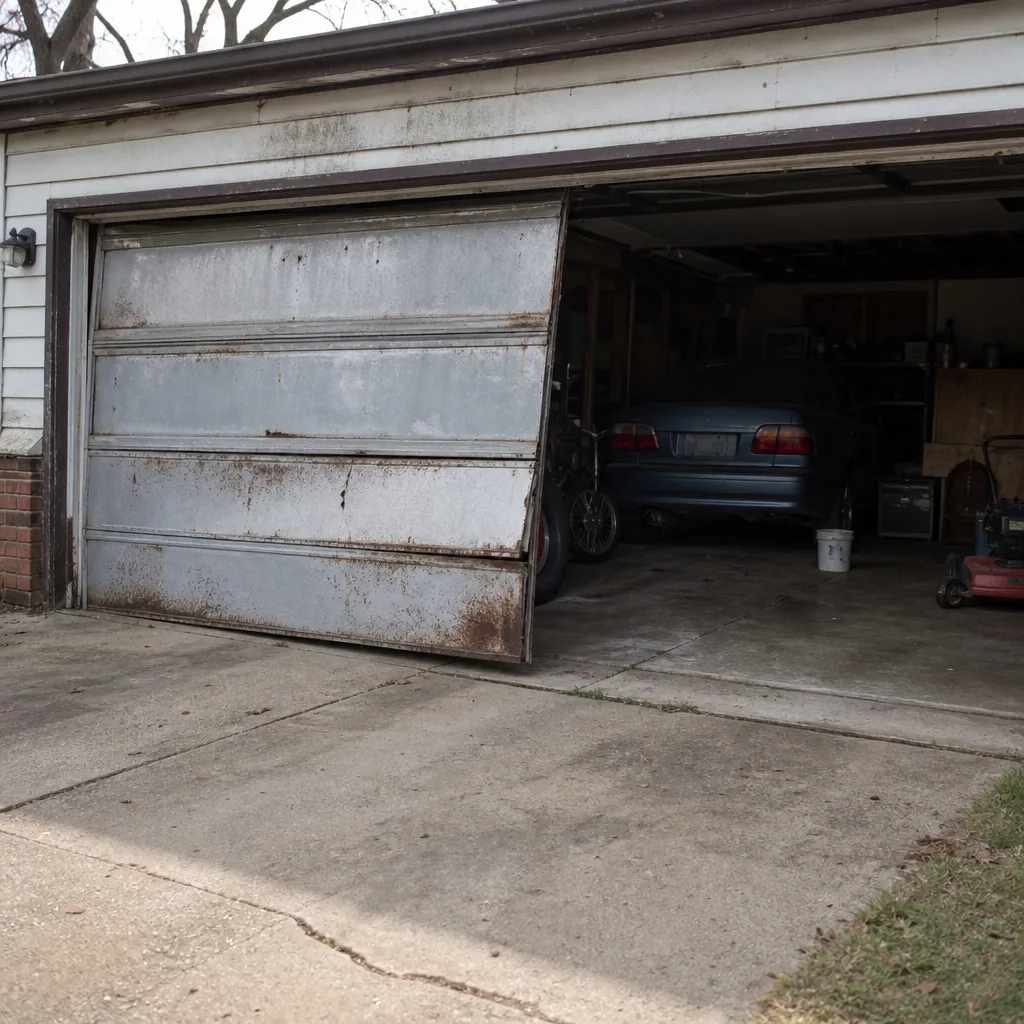 Before
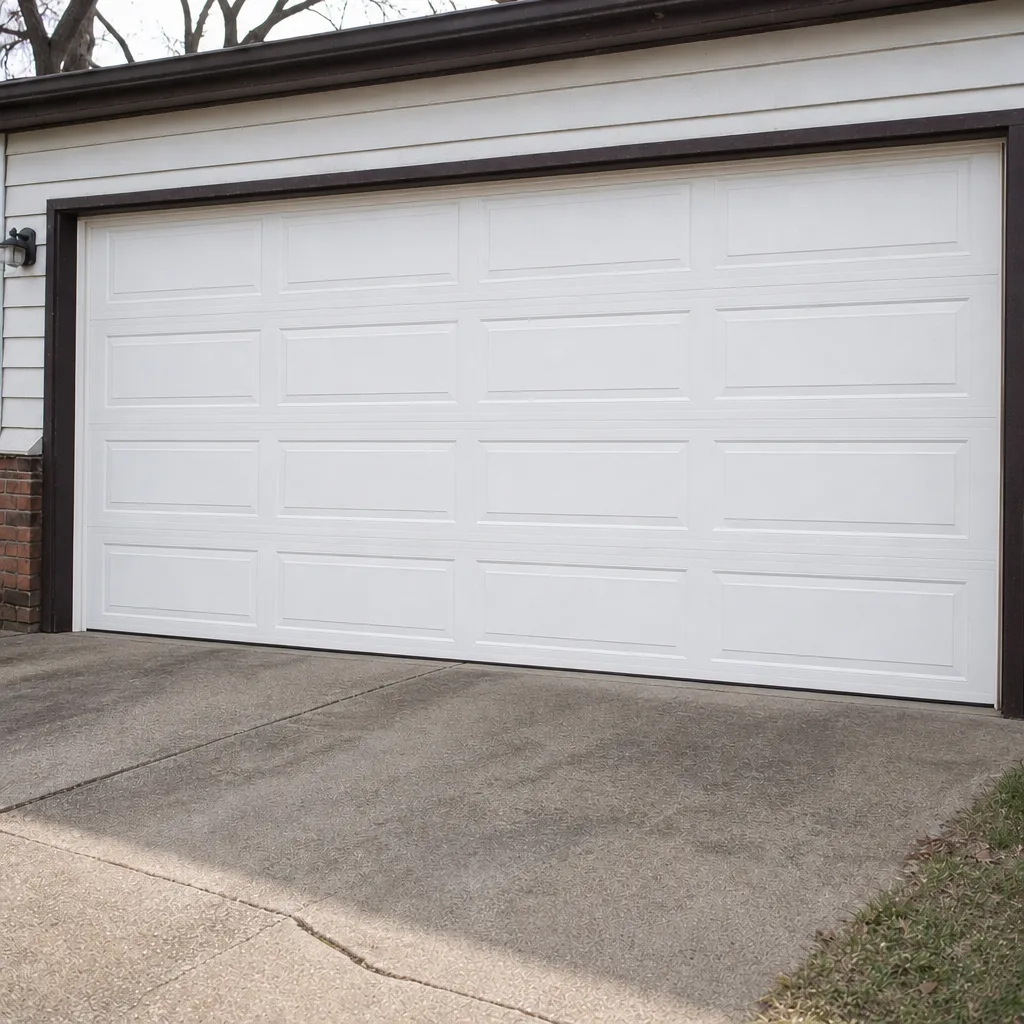 After
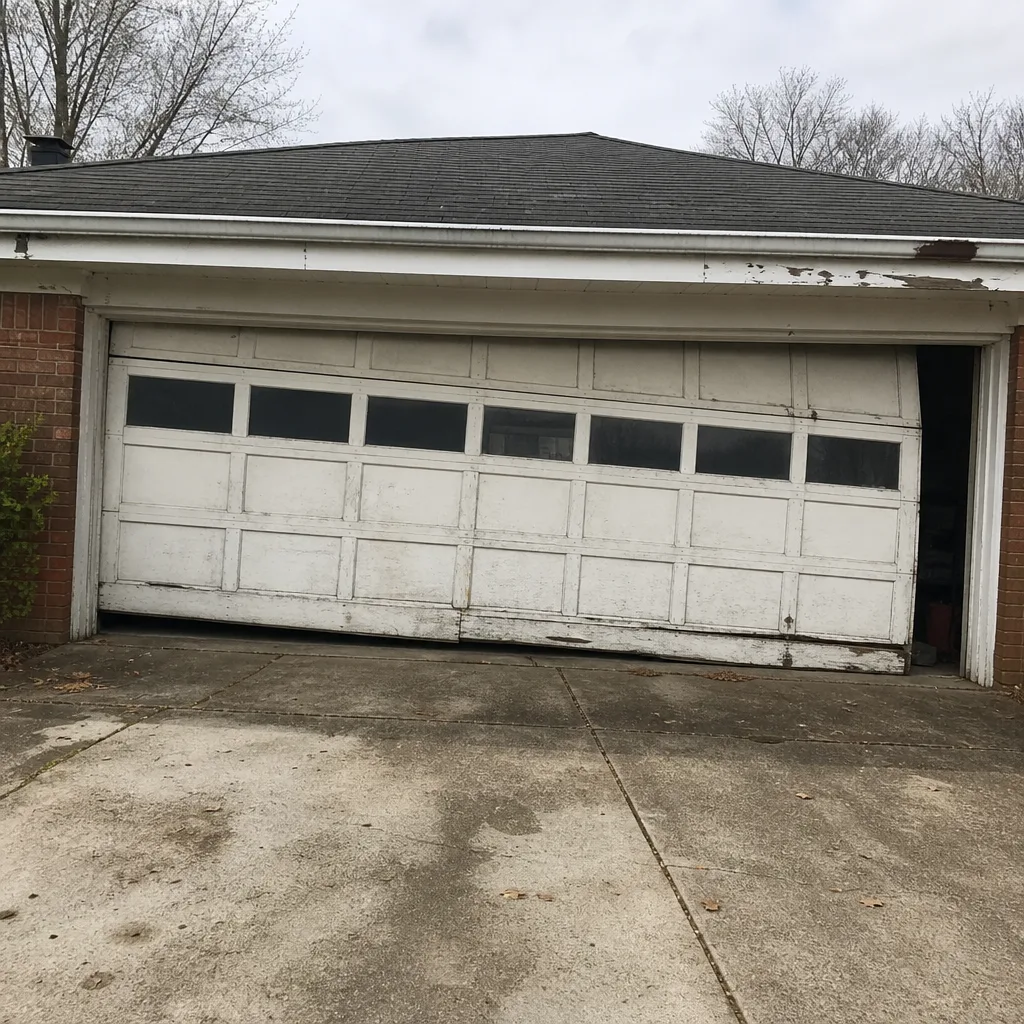 Before
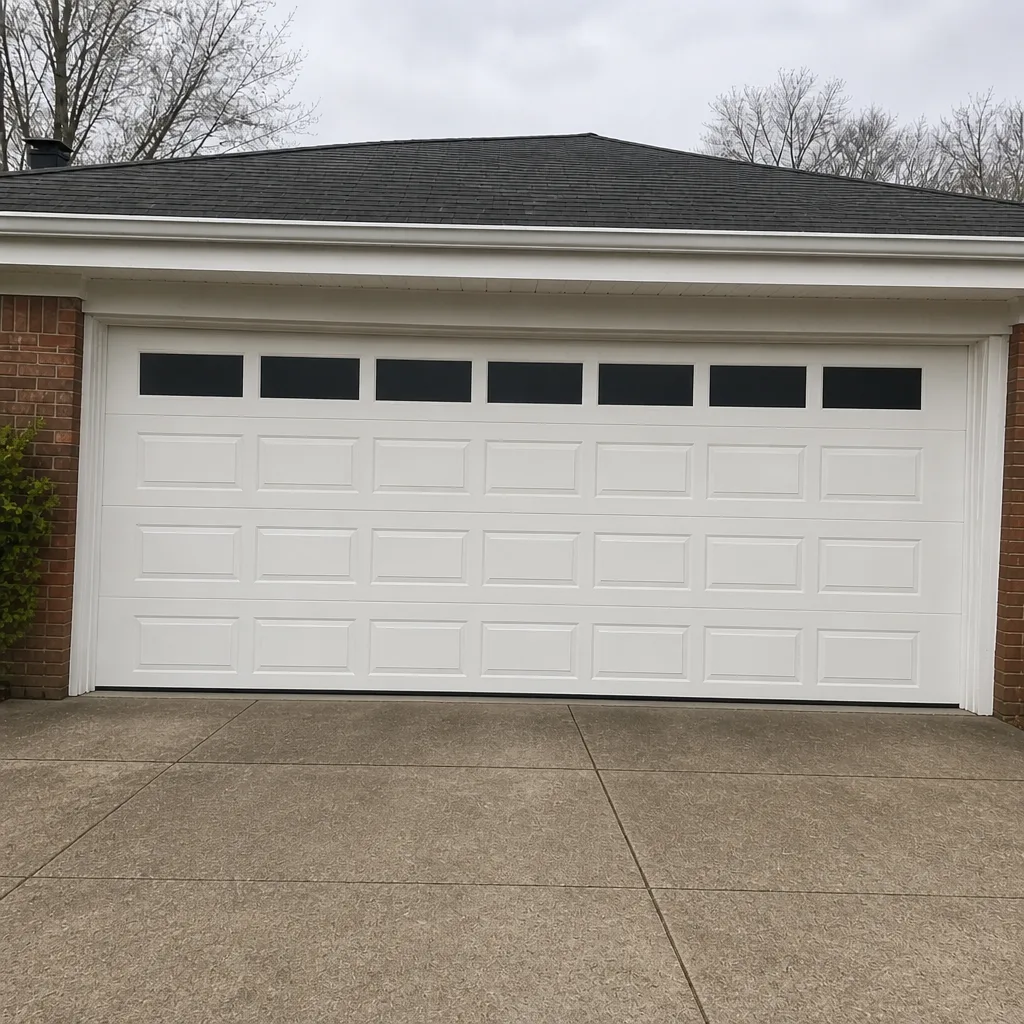 After
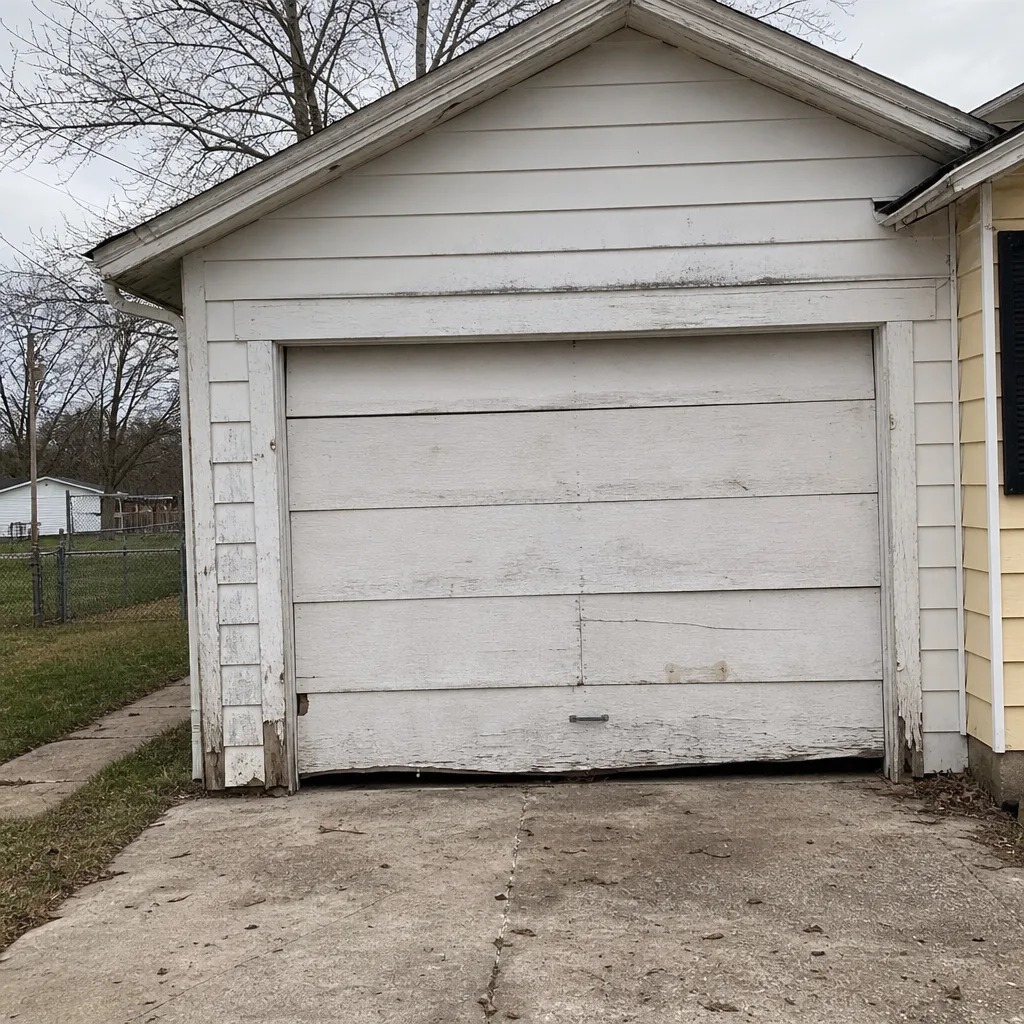 Before
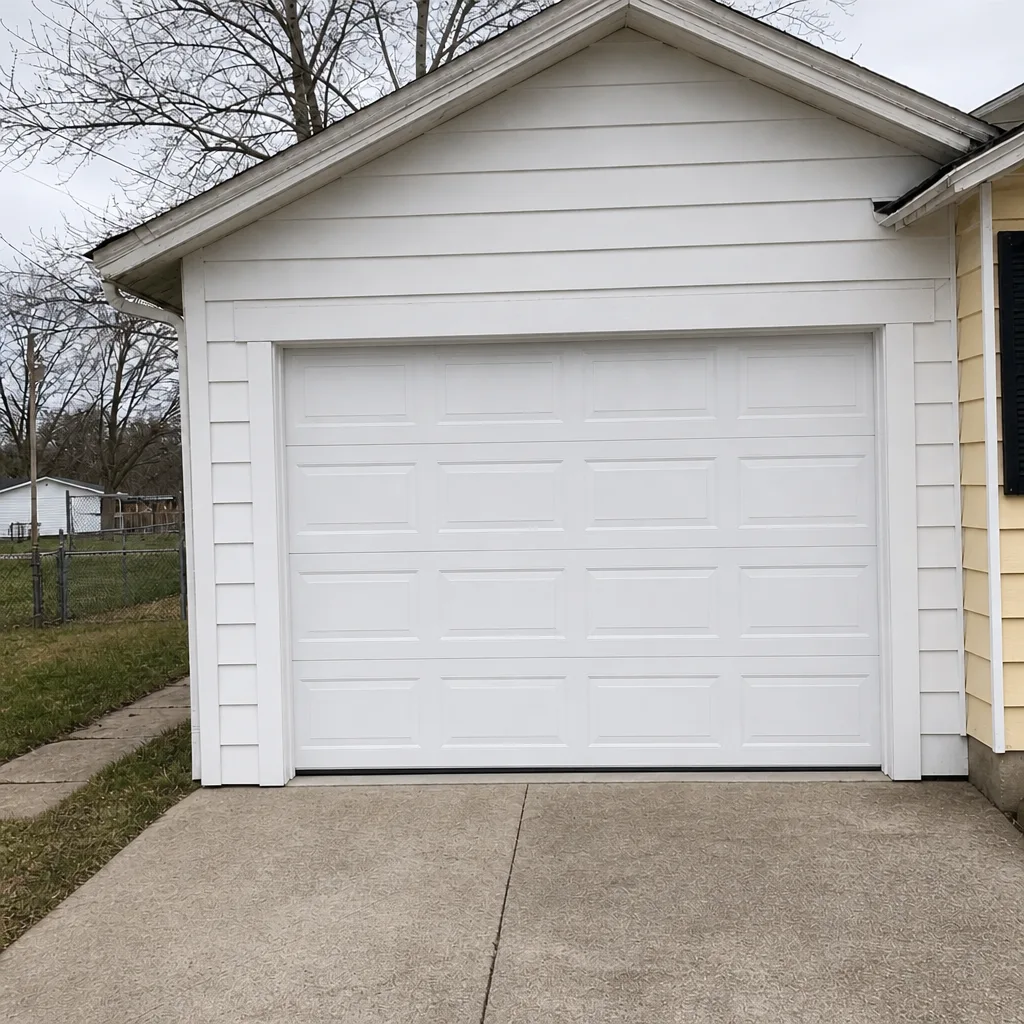 After
When to Call a Professional
Call a professional for any warning sign that involves springs, cables, tracks, or the door’s counterbalance. That’s not because we want the work; it’s because spring and cable work is genuinely dangerous, and the injuries that come from a released torsion spring are severe. Call us if you see a spring gap, a slack or snapped cable, one side of the door lower than the other, a door that free-falls or slams, a popping noise from above the door, or a track that’s visibly deformed. Also call if the opener has stopped responding and you’ve already checked the remote batteries and the sensors. Irvington Garage Door Repair Pros offers free estimates in Irvington at (833) 468-3082. We answer 24/7, and our technicians have up to 15 years of experience. Fast dispatch from 7am to 7pm, Sunday through Friday.
Frequently Asked Questions
The four most common are a visible gap in a torsion spring, a door that’s slower than it used to be, grinding or popping on the way up, and uneven lift where one side rises before the other. Each points to a mechanical part that’s wearing or has failed. If you see any of them, call (833) 468-3082 for a free estimate.
No. A door with a broken spring may still open, because the opener motor has enough force to lift the door without counterbalance, but the door is operating outside its design and the opener is being worn down with every cycle. Stop using the door and call for service.
Opener problems usually show up as remote or wall-button failures, blinking lights on the opener, or the motor running without the door moving. Door problems show up as slow, jerky, noisy, or uneven movement, visible spring or cable damage, or the door getting harder to lift by hand. If both sets of symptoms appear, the door is the likely root cause and the opener is compensating. Our garage door opener repair covers the diagnostic side.
It depends on the age and condition of the door and what’s failing. A door with a failing spring, worn rollers, and a bent track but a solid panel and frame is usually worth repairing. A door with rotted or rusted-through panels, or a frame that’s out of square, is a candidate for replacement. A technician can tell you which category you’re in during the free estimate.
Grinding in the first foot of travel usually means a worn roller with a flat-spotted bearing, a dry hinge, or debris in the vertical track. In Irvington, seed pods and grit from street trees are a frequent cause because they collect in the bottom section of the track. Cleaning the tracks and checking the rollers is the first step; if the noise persists, a technician should look at the bearings.
No. Slight squealing, occasional hesitation, cosmetic dents, and worn rollers that still allow smooth operation are monitored-use signs. Spring gaps, slack cables, uneven lift, banging, and any sign of a door that free-falls or slams are stop-use signs. When in doubt, call (833) 468-3082 and describe the symptom; we’ll tell you on the call whether the door is safe to operate until a technician arrives.
The Bottom Line
Your garage door tells you what’s wrong before it fails, and the warning signs sort into three categories: sounds (grinding, popping, squealing, banging), movement problems (uneven lift, jerking, slow ascent, unexplained reversal), and visible damage (spring gaps, slack cables, worn rollers, deformed tracks). The sounds and visible damage tied to springs and cables are stop-use signs because those components store and release enough energy to cause serious injury. Slow ascent is the warning sign most easily missed and the one most likely to turn a spring repair into a spring-plus-opener repair if you wait. Read the door before you drive off, and call when anything changes. For a free estimate from a team that knows the brands in your garage, call Irvington Garage Door Repair Pros at (833) 468-3082. We answer 24/7. Fast dispatch from 7am to 7pm, Sunday through Friday. You can also start at Irvington Garage Door Repair Pros.
Written by the team at Irvington Garage Door Repair Pros.