
Last updated November 20, 2026
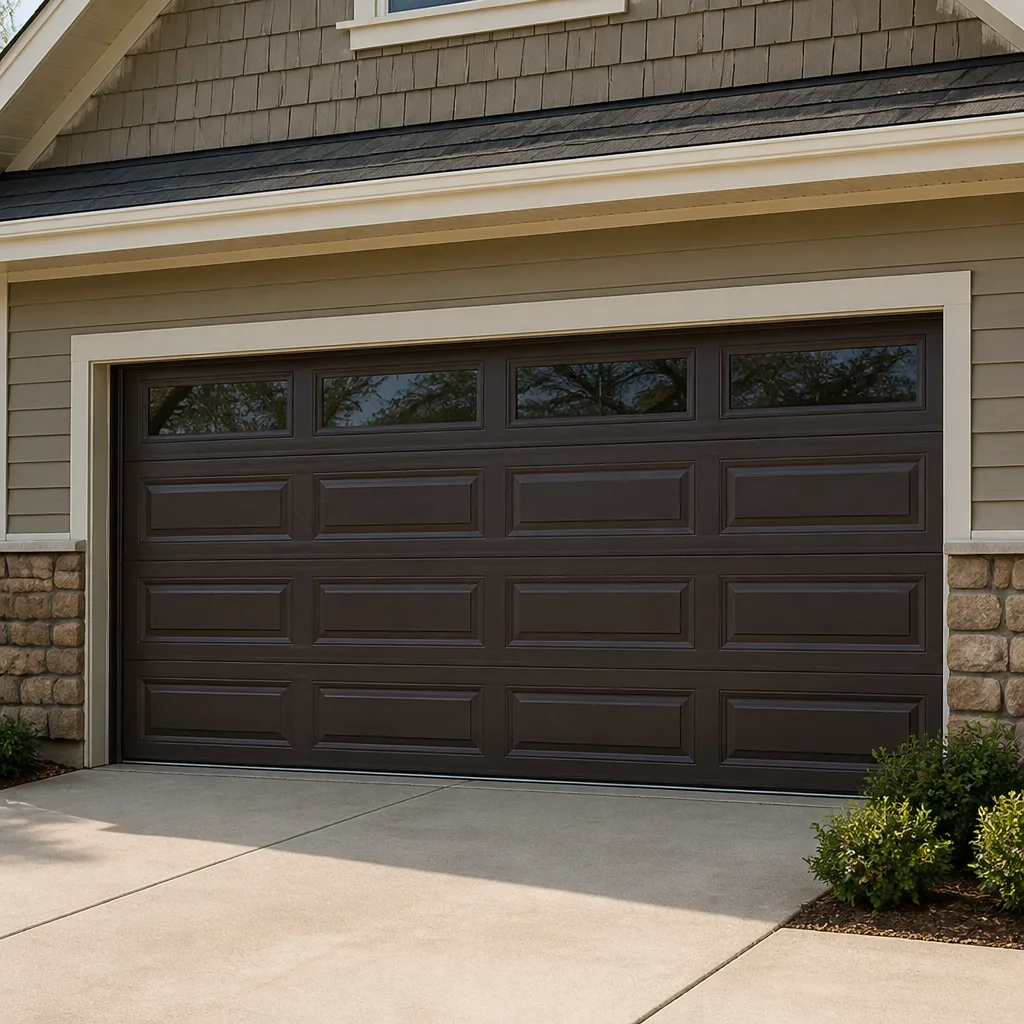 Raised-panel steel
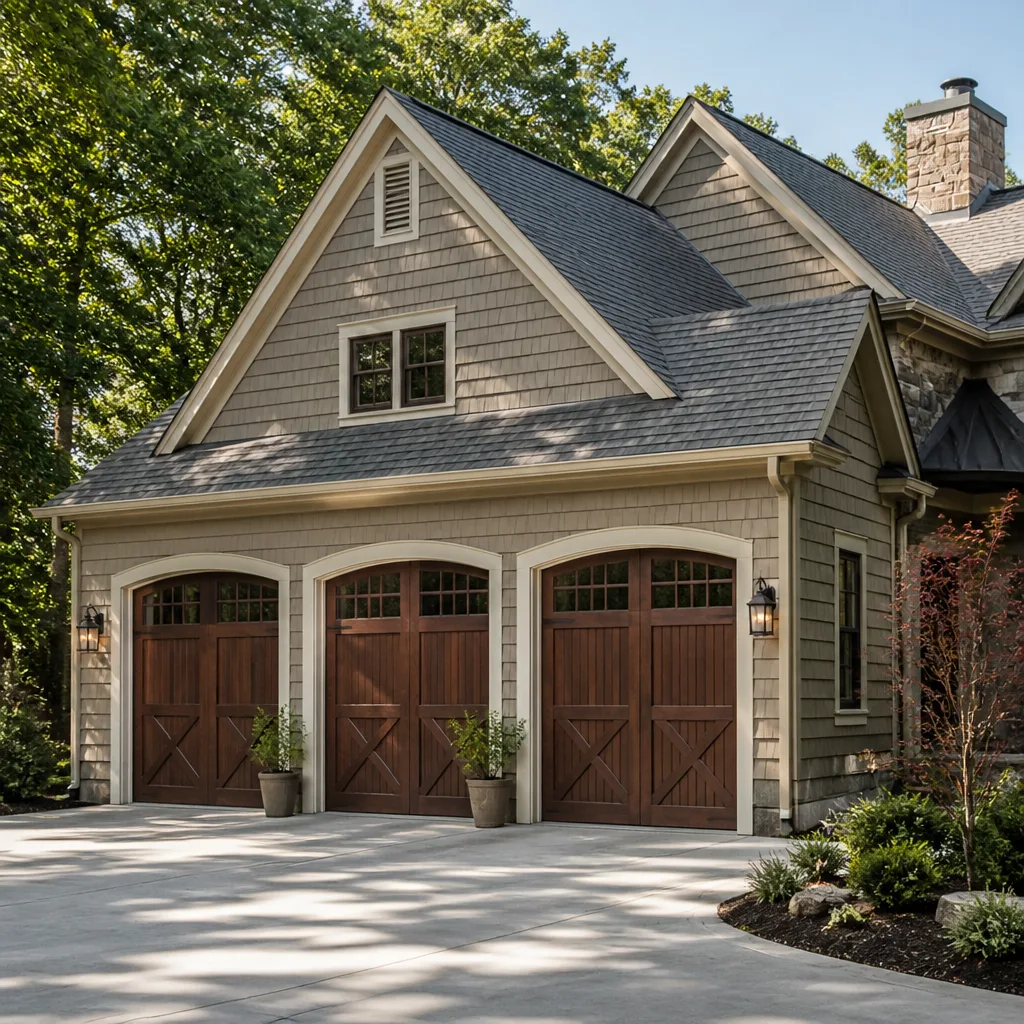 Carriage house
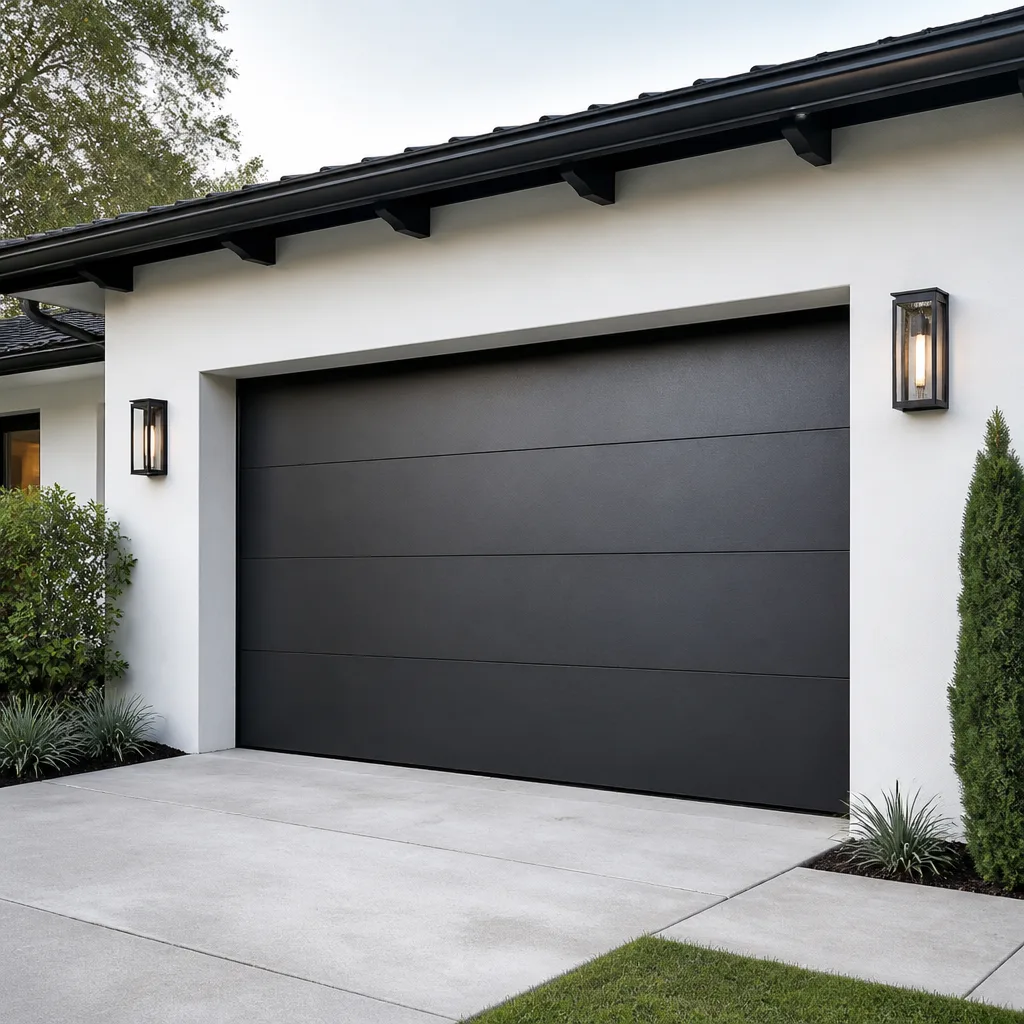 Modern flush
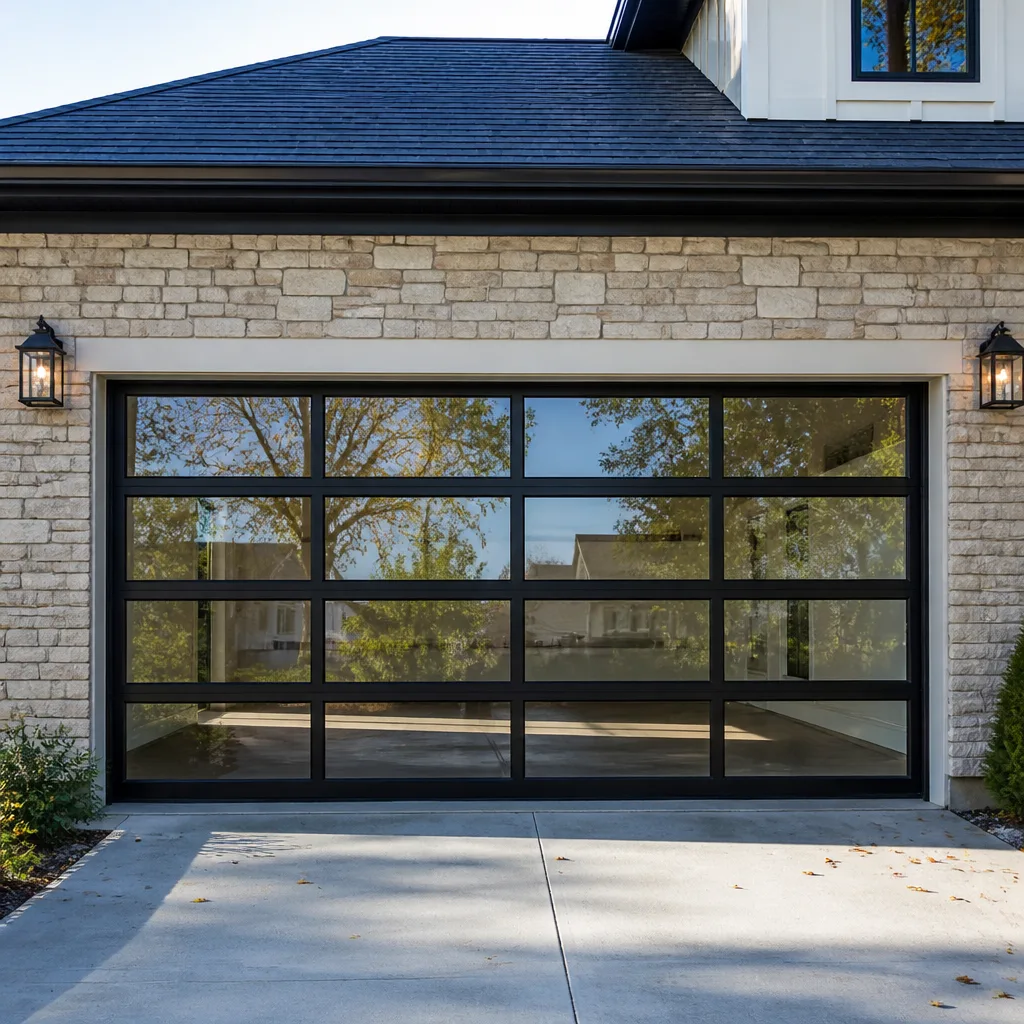 Full-view glass
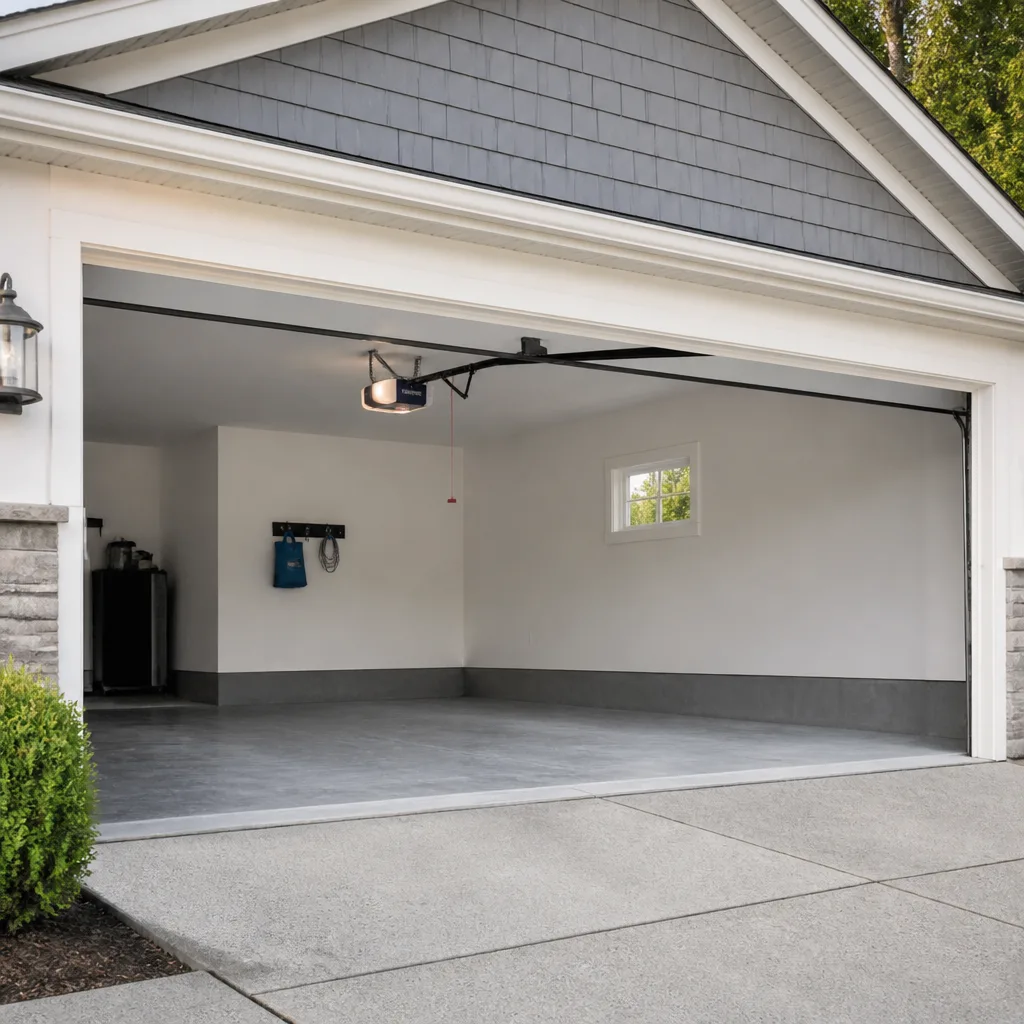 LiftMaster openers
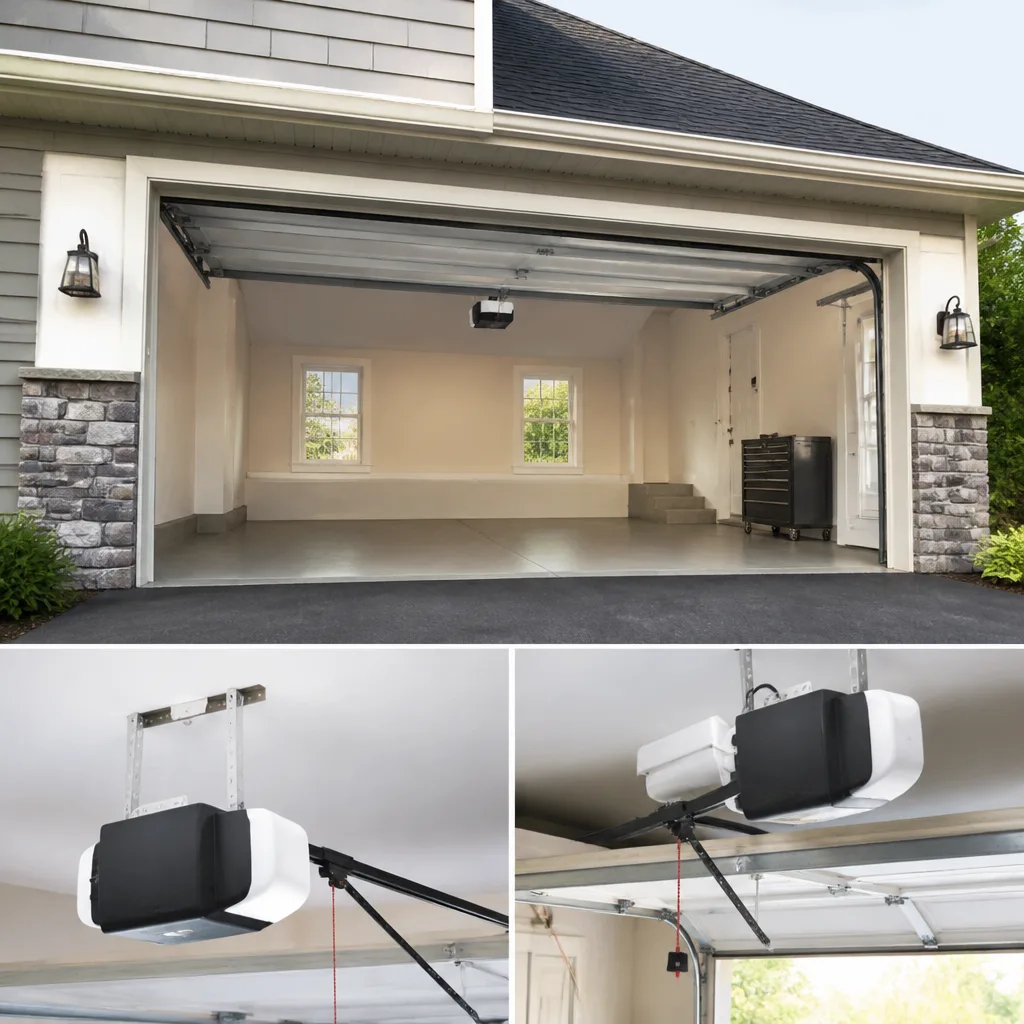 Chamberlain openers
Full 25-point door and opener safety check with every visit - springs, cables, rollers, tracks, and your LiftMaster or Chamberlain opener included
You get a price before we start. It does not change when the pro arrives.
Get your free estimateChoosing the Right Garage Door Brand: A Buyer’s Guide for Irvington
Most garage door buying advice starts with the door. Ours starts with the day, years from now, when a hinge wears out, a spring lets go, or an opener board fails, and someone has to source the right replacement part. The brand you pick decides how easy that day will be. A door that looks good on a showroom floor but draws from a thin parts pipeline can leave an Irvington homeowner waiting on a special order while the car sits in the driveway. A door built by a brand with deep, widely stocked components gets back in working order the same visit. This guide explains how to weigh a garage door brand for an Irvington home: steel gauge, insulation, wind rating, opener pairing, and warranty terms, not just color and panel style.
Styles & brands we work with
- Raised-panel steel
- Carriage house
- Modern flush
- Full-view glass
- LiftMaster openers
- Chamberlain openers
Quick Answer
The right garage door brand for an Irvington home is the one whose door construction matches your garage’s clearance, insulation, and wind needs and whose parts stay available locally for the life of the door. In practice, that means a brand with a deep residential parts pipeline and clean compatibility with the opener you already own. Clopay, Amarr, and Wayne Dalton are the names we see most often in Irvington garages, and all three are built to be serviced, not replaced, when a component fails.
Table of Contents
- Why Parts Availability Beats Review Scores in the Indianapolis Metro
- Builder-Grade vs. Mid-Tier vs. Premium: What Changes at the Steel Level
- Insulation, Steel Gauge, and Wind Rating for Irvington’s Climate
- Opener Brand Compatibility: Pairing Doors with LiftMaster, Chamberlain, and Genie
- A Plain Look at Clopay, Amarr, and Wayne Dalton
- Warranty Terms Decoded: What “Lifetime” Actually Covers
- A Step-by-Step Way to Evaluate Any Brand
- Common Mistakes to Avoid
- When to Call a Professional
Why Parts Availability Beats Review Scores in the Indianapolis Metro
A garage door is a mechanical assembly, and like any mechanical assembly it will need parts. Springs fatigue, hinges wear, rollers flatten, and opener logic boards eventually stop talking to the wall button. The brand on the door determines how quickly those parts arrive when something breaks. That timeline is what separates a one-visit repair from a two-week wait, and it’s the single most overlooked factor in door selection.
The Indianapolis metro is a distribution hub, which works in Irvington’s favor. Because so much residential product moves through central Indiana, a door brand with a wide dealer and distribution footprint tends to keep common components within reach. Brands that lean on a narrow dealer network can still be excellent doors, but a homeowner should ask a direct question before signing: if a torsion spring or a bottom bracket fails, how long until a replacement is in hand? The answer will tell you more about long-term cost than any star rating.
This is where a multi-brand service relationship matters. When the company working on your door is factory-familiar with the major brands, repair doesn’t stall on a third-party order. Parts become part of the service offering rather than an afterthought. For our part, we keep garage door repair work moving by knowing which brands share common hardware and which require specific components. That knowledge shortens the gap between diagnosis and a working door.
Consumer reviews tell you how a door performed for someone in another climate with a different garage. Parts availability tells you what happens in your Irvington garage on the day something fails. Weigh the second one more heavily when you’re comparing brands on paper.
What to ask a seller or installer about parts
- Which components on this door are brand-specific, and which are standard?
- How quickly can a replacement spring, hinge, or bracket be sourced locally?
- Does the local service company stock or source parts for this brand?
- Will the opener I already own work with this door without an adapter?
Builder-Grade vs. Mid-Tier vs. Premium: What Changes at the Steel Level
The three tiers of garage door construction differ far more at the steel and hardware level than at the surface. A builder-grade door and a premium door can look similar from the street. Open them up and the difference is obvious: skin thickness, insulation core, hinge and bracket quality, and how the panels are joined. Here’s what actually separates the tiers.
Builder-Grade
Builder-grade doors use a single layer of relatively thin steel with no insulation. The panels are light, which makes them easy on the opener but easy to dent as well. Hardware is basic: stamped hinges, nylon or plastic rollers, and a lighter track. These doors are genuinely fine for a detached, unheated garage or a shed. In an attached Irvington garage that shares a wall with the house, they offer no thermal buffer and transmit more noise.
Mid-Tier
Mid-tier doors add an insulated core, usually polystyrene, sandwiched between steel skins or bonded to a single steel face. The steel is a step heavier, the hinges are tougher, and the rollers and track are built to handle more cycle life. This is the sweet spot for most Irvington homes: meaningful insulation, better dent resistance, and a price that reflects a reasonable per-year cost over the door’s working life.
Premium
Premium doors use thicker steel with a polyurethane core, which insulates noticeably better than polystyrene at the same thickness. The hardware is heavier throughout, panels are joined with more robust stiles, and the finish is usually a multi-layer coating that holds up better over time. Premium doors are worth the investment when the garage is attached, when the door faces the street on a prominent elevation, or when you intend to keep the door for a long time.
What changes at each tier
- Steel gauge. Thin steel dents and flexes; heavier steel holds its shape and resists impact.
- Insulation core. None, polystyrene, or polyurethane. The core drives thermal performance.
- Hardware. Stamped vs. heavier-gauge hinges, nylon vs. steel rollers, light vs. reinforced track.
- Panel joinery. How stiles and rails connect determines rigidity and how the door handles wind and cycles.
- Finish system. A single paint coat vs. a multi-layer finish affects long-term appearance and maintenance.
When you’re comparing estimates, ask for the steel gauge, the insulation type, and the hardware spec for each door quoted. That three-line comparison tells you more than any brochure photo.
Insulation, Steel Gauge, and Wind Rating for Irvington’s Climate
Irvington sits in central Indiana, which means four genuinely different seasons in one garage door’s lifetime. Summer heat loads the door and its opener, winter cold contracts steel and stiffens lubricants, and spring and fall bring wind and temperature swings. A door chosen for a mild climate won’t perform the same way here. Three specs matter most.
Insulation
Insulation on an attached garage door reduces heat transfer between the garage and the living space, cuts noise, and makes the garage more usable in both summer and winter. If your garage shares walls or a ceiling with conditioned rooms, insulated construction is worth prioritizing over a thicker, uninsulated skin. Polyurethane outperforms polystyrene at the same thickness, but a well-sealed polystyrene door still beats a bare steel panel by a wide margin. Ask for the door’s stated insulation value and compare like with like.
Steel gauge
Thicker steel resists dents and holds its shape through thermal cycling. A door facing west or south in Irvington takes more direct sun and expands and contracts more through the day. Heavier steel handles that movement with less flex, which extends the life of the hinges and the finish. If you’ve ever seen a door with wavy panels, that’s usually a gauge and stiffness issue, not a paint issue.
Wind rating
Central Indiana gets strong thunderstorm and straight-line wind events, and a garage door is a large, lightweight surface that catches them. Wind load ratings describe how much pressure a door is designed to withstand. A door with a higher rating uses reinforced struts, heavier track, and stronger brackets. If your garage faces an open lot, a corner, or an exposed elevation, ask specifically about the door’s wind rating and the reinforcement that comes with it. Most door failures in a storm trace back to a door that was rated for a gentler load.
These three specs are also why brand matters less than you’d think on the construction side: nearly every major brand offers a builder-grade, mid-tier, and premium line, and each line hits a different point on the insulation, gauge, and wind-rating scale. Your job is to pick the tier first, then the brand that services that tier well in your area. When that door eventually needs attention, garage door installation and service work by people who know the brand keeps the whole system consistent.
Opener Brand Compatibility: Pairing Doors with LiftMaster, Chamberlain, and Genie
Most Irvington homes already have an opener, and the door you choose has to work with it. The good news is that the big residential brands get along. The detail that trips people up isn’t the opener’s brain; it’s the mechanicals. A new door with different panel weight, hinge geometry, or track setup may need the opener’s travel limits, force settings, and safety sensors adjusted. Occasionally a door is heavy enough or a garage tight enough that the existing opener needs a different rail or a higher-capacity unit.
Opener brands fall into two practical groups. LiftMaster and Chamberlain are the smart-home-integrated lines, with Wi-Fi connectivity and app control built into many current models. Genie and Craftsman cover a huge share of conventional systems, and Craftsman units are common in older Irvington homes where the opener has been quietly working for years. If your opener is one of these, you’re in familiar territory, and a door brand with clean compatibility will pair without drama.
How the pairing usually goes
- Confirm the existing opener’s model, capacity, and rail length.
- Match the new door’s weight and panel count to the opener’s rated capacity.
- Verify the door brand’s hinge and bracket spec works with the existing track and arm.
- Re-set travel limits and force adjustment after installation.
- Re-aim and re-test the safety sensors and the auto-reverse feature.
If the opener is older or undersized for the new door, it’s often simpler to replace it as part of the same job rather than fight a mismatch. That’s the practical side of one call covering the door and the opener. When an existing opener needs attention rather than replacement, our garage door opener repair work covers both the smart-home lines and the conventional systems, so a homeowner isn’t stuck because of what’s already on the ceiling.
A Plain Look at Clopay, Amarr, and Wayne Dalton
We service equipment from eight major brands, but for new-door decisions in Irvington, three names come up most often. Here’s a plain, no-hype look at each, focused on what matters for a homeowner choosing a door.
Clopay
Clopay runs a deep residential lineup from builder-grade through premium, which is why so many homes have one. The breadth is the advantage: there’s a Clopay door at nearly every price point and style, and the parts pipeline for common components is wide. For an Irvington homeowner who wants a specific look without stretching the budget, Clopay usually has a fit. The key is specifying which line you’re buying, since the tier changes everything at the steel and hardware level.
Amarr
Amarr is known for solid mid-tier construction and a straightforward product range. The doors tend to be well-built for the price, with insulated options that suit attached garages. Amarr is a good fit when you want a clean, durable door and don’t need the widest style catalog. Service-wise, the common components are widely available, so repairs stay simple.
Wayne Dalton
Wayne Dalton offers a range of panel styles and construction tiers, and the brand is common enough in the region that parts are easy to source. The doors are a reasonable choice for homeowners who want a specific aesthetic, and the hardware is built to be serviced rather than replaced wholesale. As with any brand, ask which tier and which hardware spec you’re getting before you sign.
The pattern across all three is the same: the brand sets the parts pipeline and the service relationship, while the tier sets the construction. Choose the tier for your garage, then the brand for its service life. If your current system is from one of these brands and needs attention, our Irvington Garage Door Repair Pros team can handle diagnosis and repair without sending you to a second contractor.
Warranty Terms Decoded: What “Lifetime” Actually Covers
A “lifetime” garage door warranty rarely means what a buyer assumes. Most manufacturers break coverage into separate categories, and each category has its own term and its own exclusions. Understanding the structure before you buy prevents a nasty surprise years later when a component fails and you discover it isn’t covered.
The categories usually covered separately
- Steel skin or panel. Often the longest term, sometimes labeled lifetime, but usually limited to defects, not damage.
- Hardware. Springs, hinges, rollers, and brackets typically carry shorter terms, and springs are frequently the shortest.
- Labor. Almost never covered by a manufacturer’s warranty. Installation and repair labor is a separate matter.
- Finish. Paint and coating coverage often has its own shorter window.
Exclusions that matter in real use
- Normal wear. Springs are a wear item. A warranty that covers the spring for a short term is normal, not a red flag, but know the number.
- Improper installation. If the door wasn’t installed to spec, coverage can be voided. This is why installation quality matters as much as brand.
- Lack of maintenance. Some warranties require periodic service. Keep records.
- Damage from impact or weather. A dented panel or a door damaged in a storm is usually excluded.
- Modifications. Changing the door, adding reinforcement, or altering the opener can void coverage.
- Transferability. Some warranties transfer to a new owner; some don’t. If you plan to sell, ask.
Read the warranty as a menu, not a headline. The word “lifetime” attaches to one line item, usually the steel skin, while the parts that fail first get shorter terms. Ask for the written warranty document before you commit, and confirm which category covers springs, hinges, and rollers. Then weigh that against the parts availability question from earlier: a modest warranty on a part you can source locally in a day is often worth more than a long warranty on a part you’d wait weeks for.
A Step-by-Step Way to Evaluate Any Brand
Put the whole picture together with a repeatable process. Run every brand you’re considering through these steps and the decision gets much clearer.
- Define your garage’s real requirements. Attached or detached, heated or not, exposed elevation or sheltered, tight clearance or generous. Write these down before you look at any door.
- Pick the tier. Match builder-grade, mid-tier, or premium to your requirements. An attached, insulated garage usually points to mid-tier or premium.
- Check the insulation, steel gauge, and wind rating. Ask for all three in writing for each door quoted, and compare like with like.
- Confirm opener compatibility. Match the door’s weight and hardware to your existing opener, or plan for an opener upgrade in the same job.
- Ask the parts question. How quickly can a spring, hinge, or bracket for this brand be sourced locally? Who services this brand in Irvington?
- Read the warranty as a menu. Get the document, identify what’s covered and for how long, and check transferability.
- Get a written, itemized estimate. Door, hardware, opener work if needed, and installation labor, each on its own line, with the final price written down before work starts.
If you run these seven steps, you’ll choose a door that fits your garage, works with your opener, and stays serviceable. That’s the whole game. The brand name is the label on the box; the tier and the parts pipeline are what you actually live with.
Common Mistakes to Avoid
- Choosing by review score alone. Reviews reflect someone else’s garage in someone else’s climate. Parts availability in the Indianapolis metro tells you far more about your next decade of ownership.
- Skipping the tier question. Two doors from the same brand can differ wildly in steel gauge and insulation. Always ask which line you’re buying.
- Ignoring the existing opener. A new door can strain an undersized opener. Check compatibility and capacity before you commit, or plan the upgrade into the same job.
- Buying for looks on an attached garage. An uninsulated door on an attached Irvington garage forgoes a thermal buffer you’ll want in both summer and winter. Insulation is a working spec, not a luxury.
- Reading “lifetime warranty” as full coverage. It usually covers the steel skin, with shorter terms for the parts that actually fail. Get the document before you buy.
- Overlooking wind rating on an exposed elevation. A door facing an open lot or corner needs reinforcement to match the load. Ask for the rating and the struts that come with it.
- Accepting an estimate without an itemized written price. The written estimate sets the final price, so get the door, hardware, opener work, and labor on their own lines before work begins.
When to Call a Professional
Some garage door work is a weekend project. A lot of it isn’t. Call a trained professional when the job involves high-tension springs, cables under load, the torsion assembly, opener wiring, or the opener’s logic board. Springs are the most dangerous component in your garage door system. A wound torsion spring stores enormous energy, and a mishandled one can injure badly. That’s why spring repair is a dedicated service for us rather than something bundled away or handled as a side task. Call a professional whenever the door is out of balance, the spring is visibly broken, the cables are slack or frayed, the door won’t reverse on contact, or the opener behavior changes in ways that point to a board, sensor, or limit issue. Irvington Garage Door Repair Pros offers free estimates in Irvington. Call (833) 468-3082. We answer 24/7. Fast dispatch from 7am to 7pm, Sunday through Friday. Our technicians have up to 15 years of experience on the brands most Irvington homes already own.
Frequently Asked Questions
There isn’t one universal winner. The best brand for an Irvington home is the one whose tier matches your garage’s insulation, clearance, and wind needs and whose parts stay available locally. Clopay, Amarr, and Wayne Dalton are the names we service most often here, and all three are built to be repaired rather than replaced. The bigger decision is the tier: builder-grade, mid-tier, or premium.
No. Door brands and opener brands are independent systems, and the major ones pair cleanly. What matters is matching the door’s weight and hardening to the opener’s capacity, then re-setting the travel limits and safety sensors after installation. LiftMaster, Chamberlain, Genie, and Craftsman openers all work with the doors we install.
Compare the insulation type and the stated value, not just the panel thickness. Polyurethane insulates better than polystyrene at the same thickness, and a well-sealed core beats a bare steel panel by a wide margin. Ask for both numbers in writing so you’re comparing like with like before you decide.
For the common brands in an attached garage, the answer should be days, not weeks, in the Indianapolis metro. The brand’s distribution footprint and the service company’s parts capability both affect the timeline. Before you buy, ask a direct question about how fast a spring, hinge, or bracket can be sourced for that brand.
Usually, yes, and it’s simpler that way. Replacing the door and adjusting or replacing the opener as one job keeps the whole system consistent and avoids a mismatch that shows up later. Call (833) 468-3082 for a free estimate and we’ll confirm what the job needs. We answer 24/7. Fast dispatch from 7am to 7pm, Sunday through Friday.
It usually covers the steel skin or panel, not the springs, hinges, rollers, or labor. Springs often carry the shortest term of all. Get the written warranty document and read it as a menu of separate categories before you commit, and confirm which category covers the parts that actually fail.
The Bottom Line
Brand matters less than most buyers think at the construction level, and more than most think at the parts level. Pick the tier for your Irvington garage first: builder-grade, mid-tier, or premium, matched to insulation, steel gauge, and wind rating. Then confirm the brand’s parts stay available locally, that the door pairs with your existing opener, and that you understand what the warranty actually covers. Clopay, Amarr, and Wayne Dalton all pass that test in this market. Choose that way, get a written estimate, and the door that goes up will be serviceable for as long as you keep it.
Written by the team at Irvington Garage Door Repair Pros.
Questions about a specific brand or a door in your garage? Call us at (833) 468-3082 for a free estimate. We answer 24/7. Fast dispatch from 7am to 7pm, Sunday through Friday.
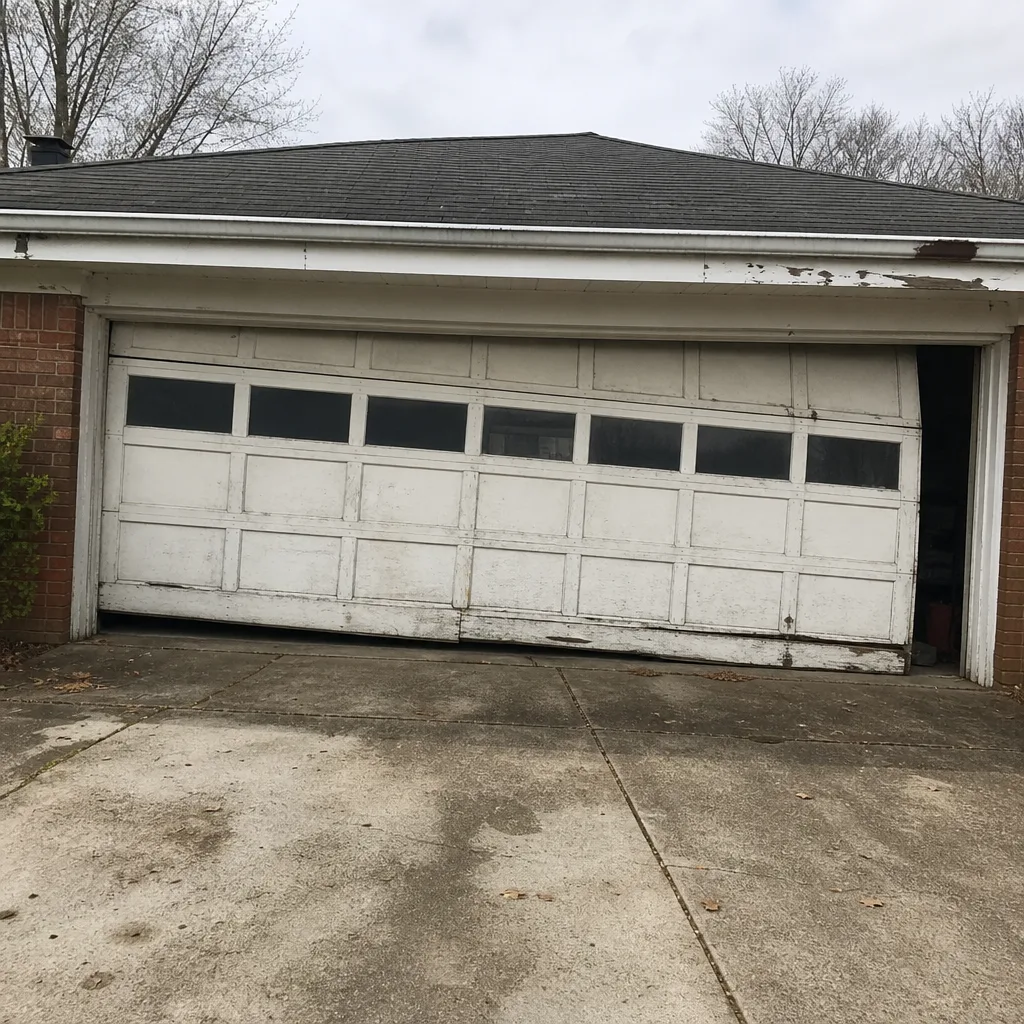
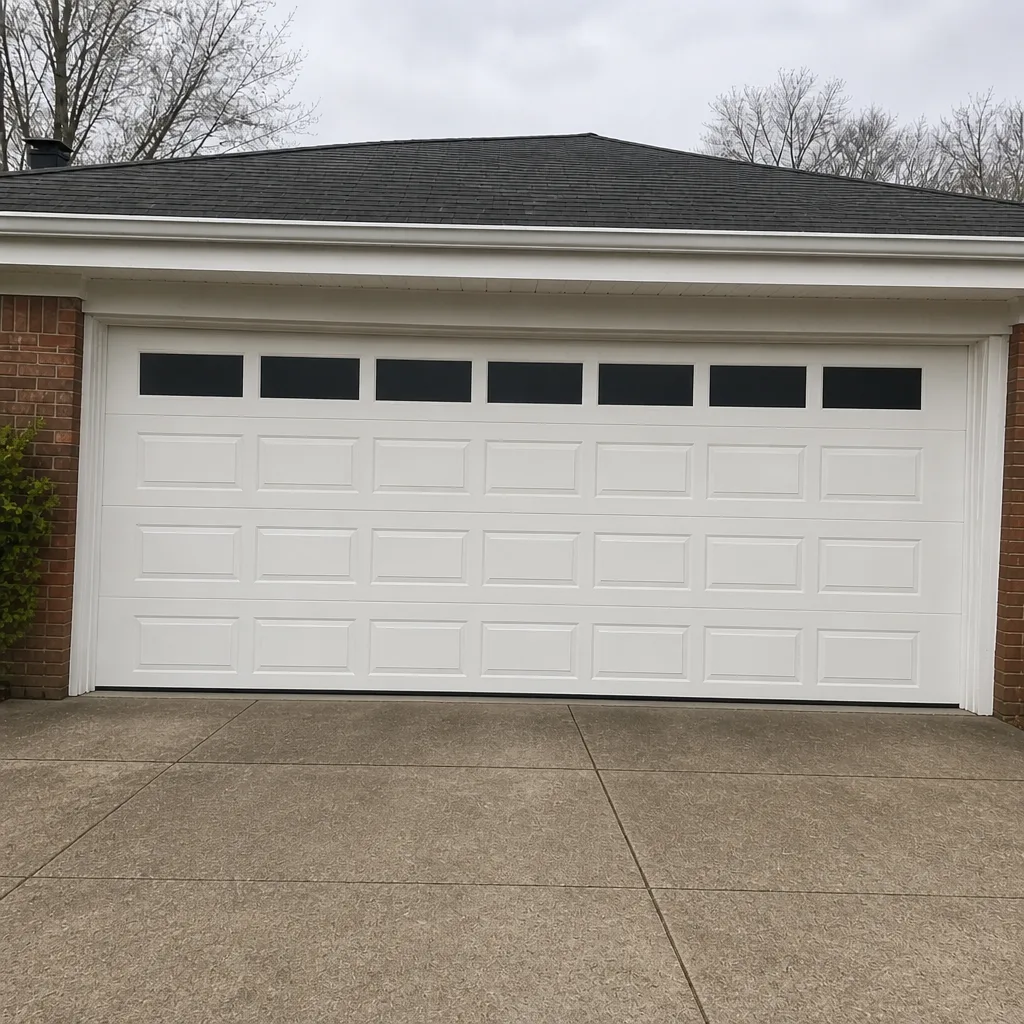
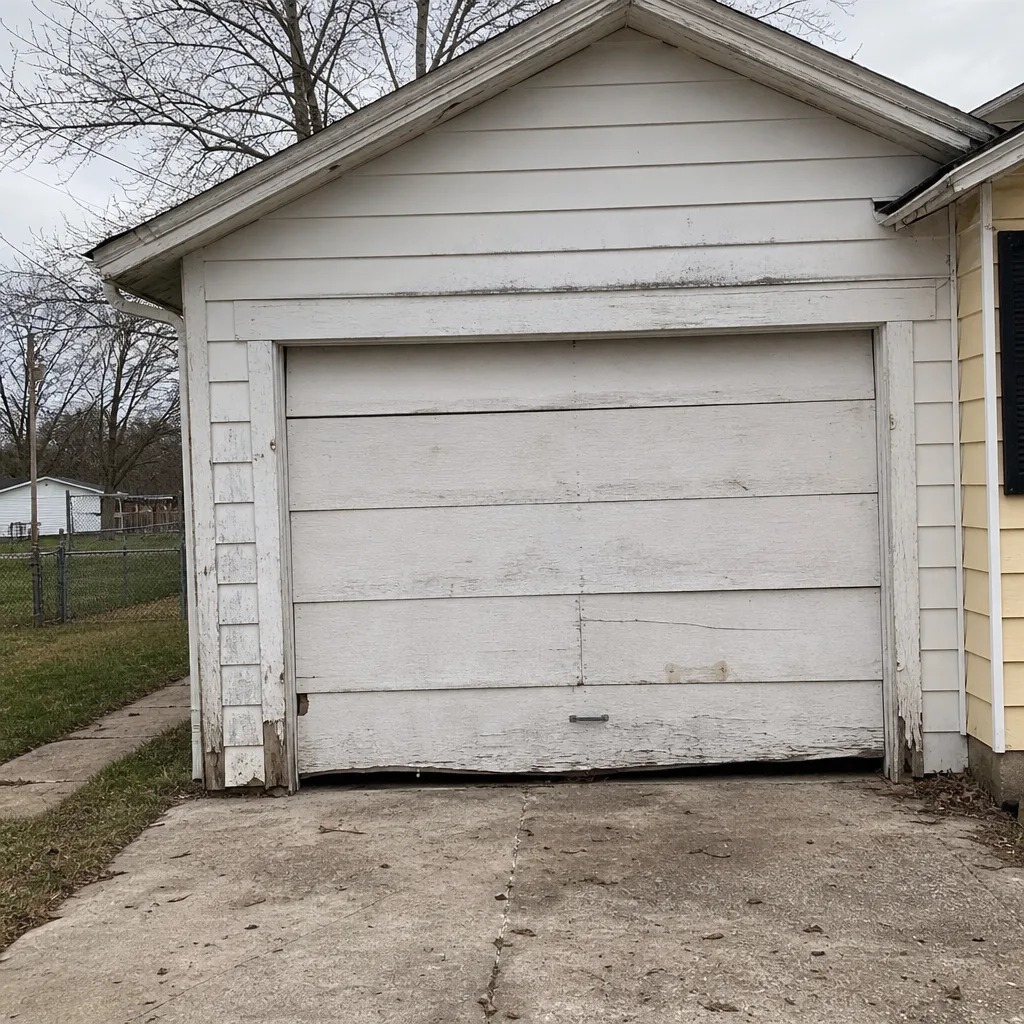
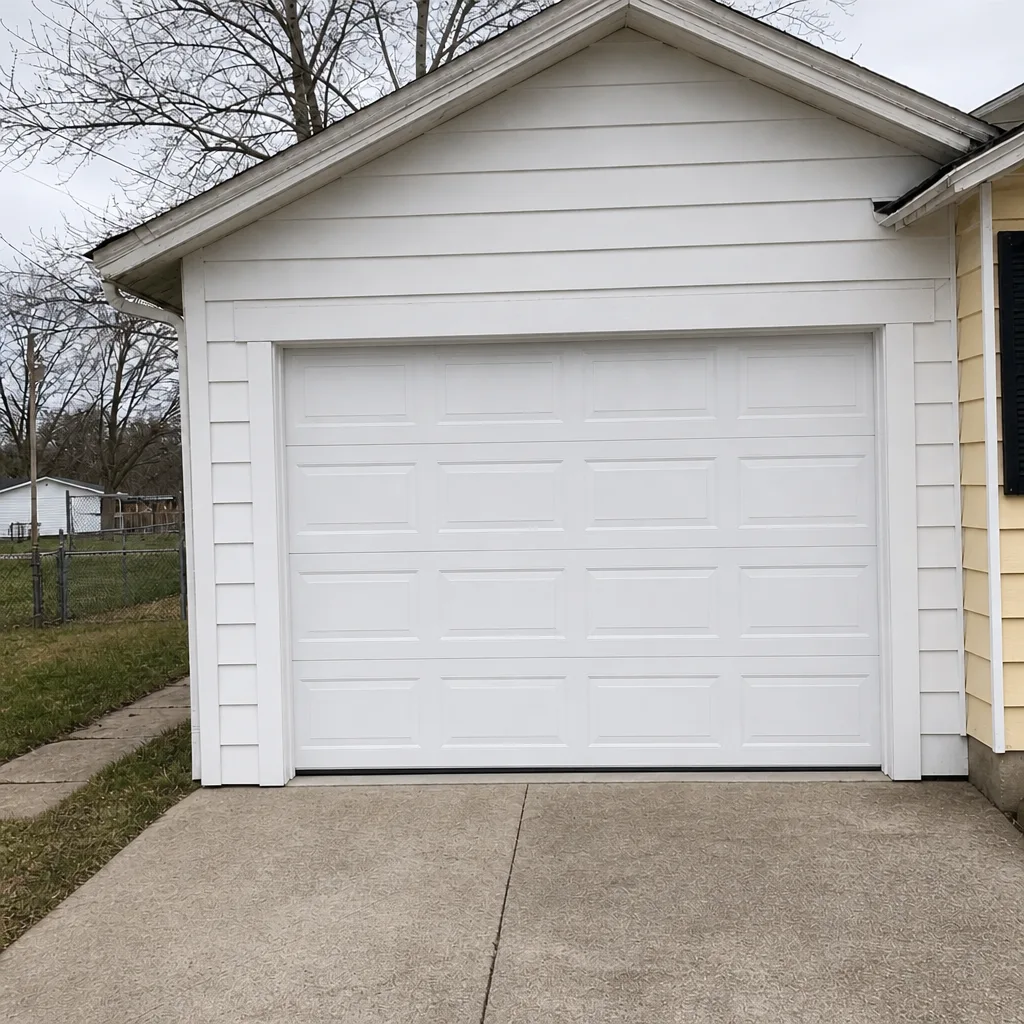
See the difference
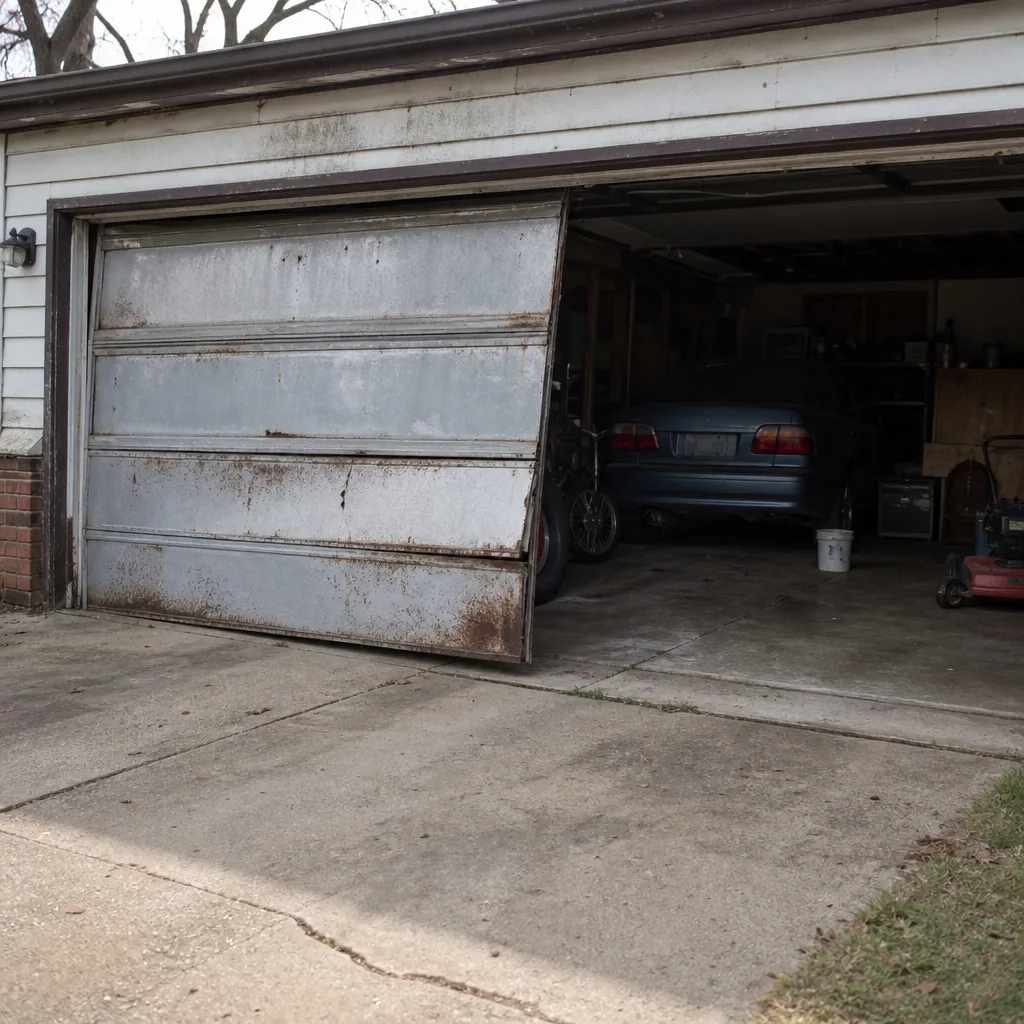 Before
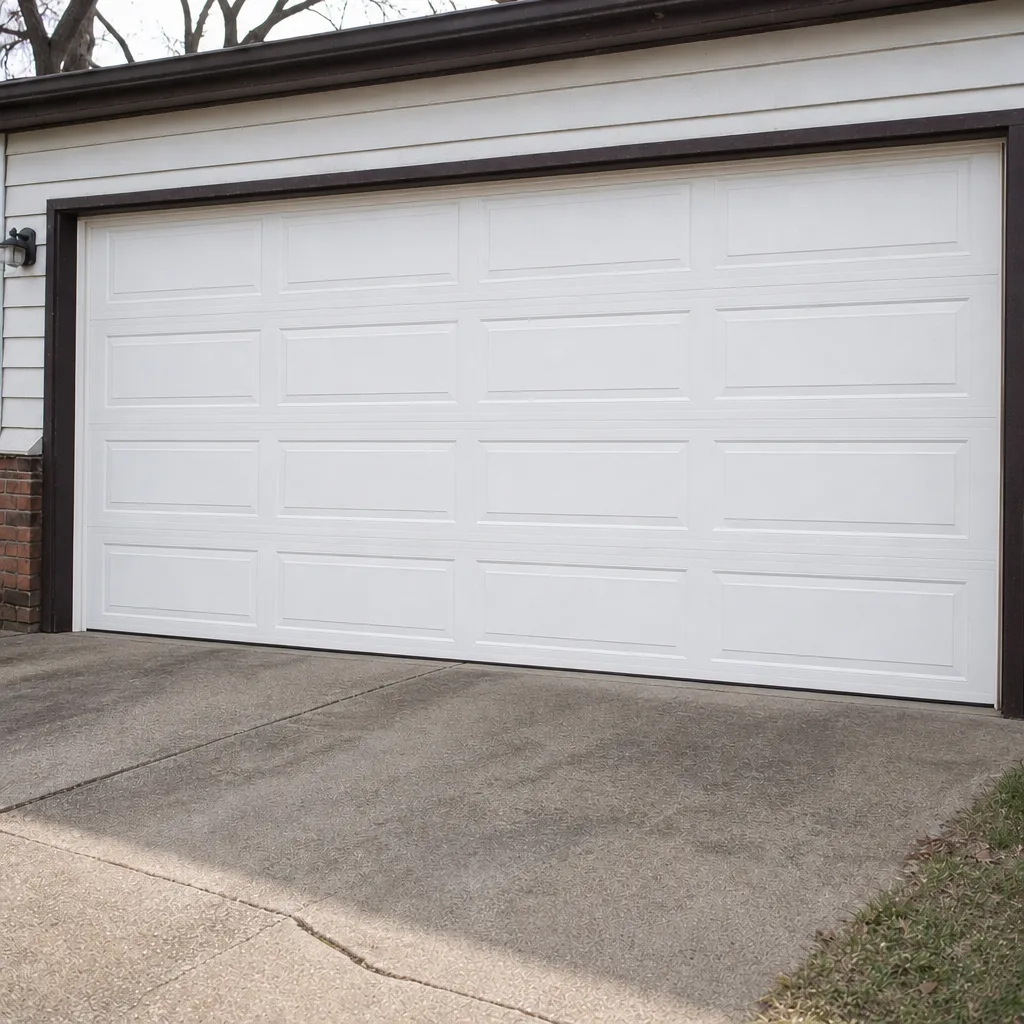 After
 Before
 After
 Before
 After