
Last updated November 20, 2026
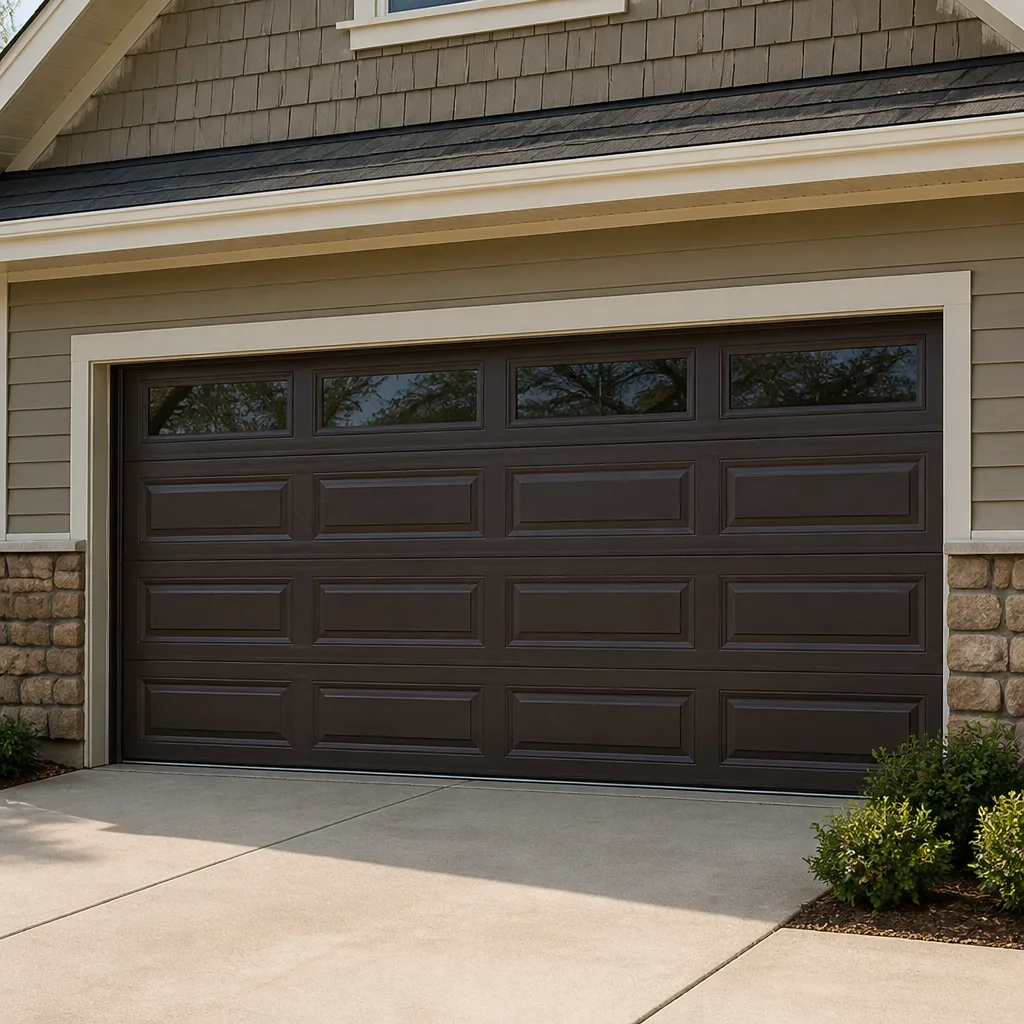 Raised-panel steel
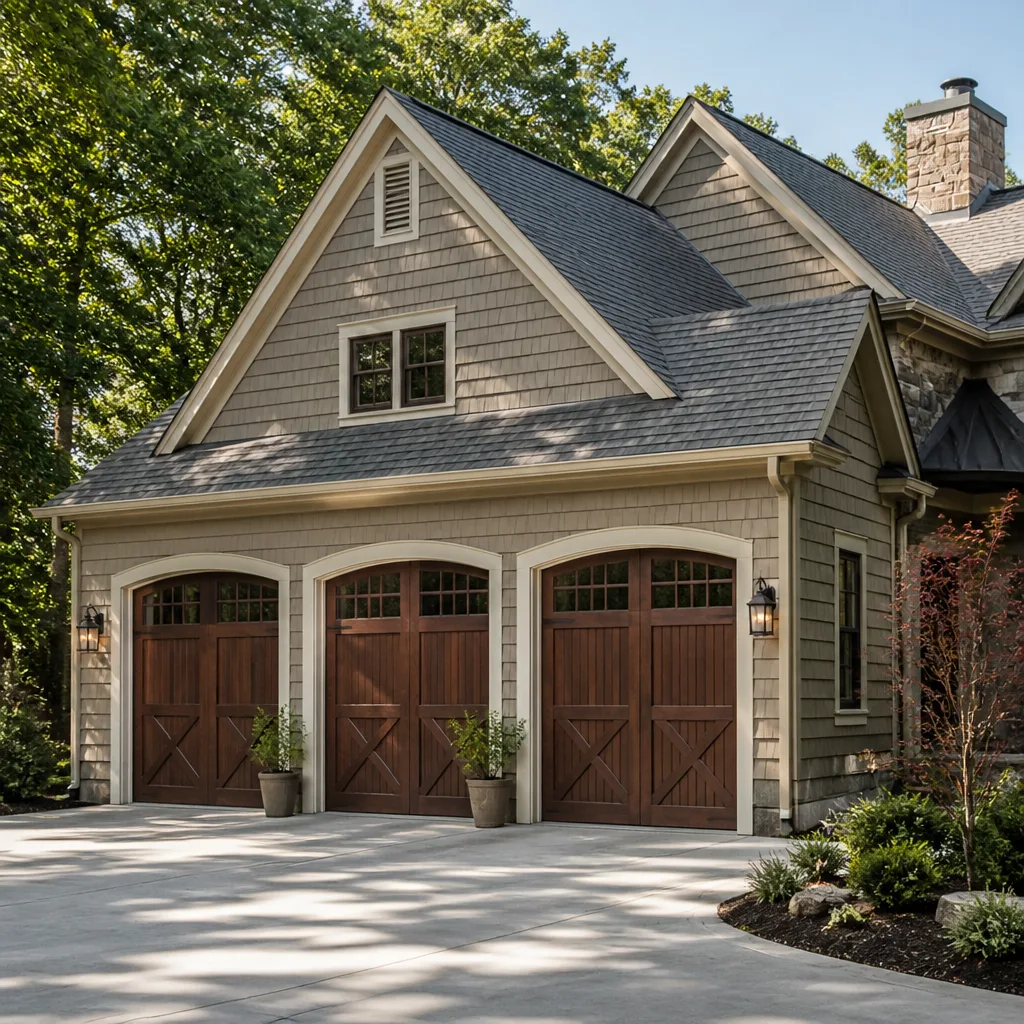 Carriage house
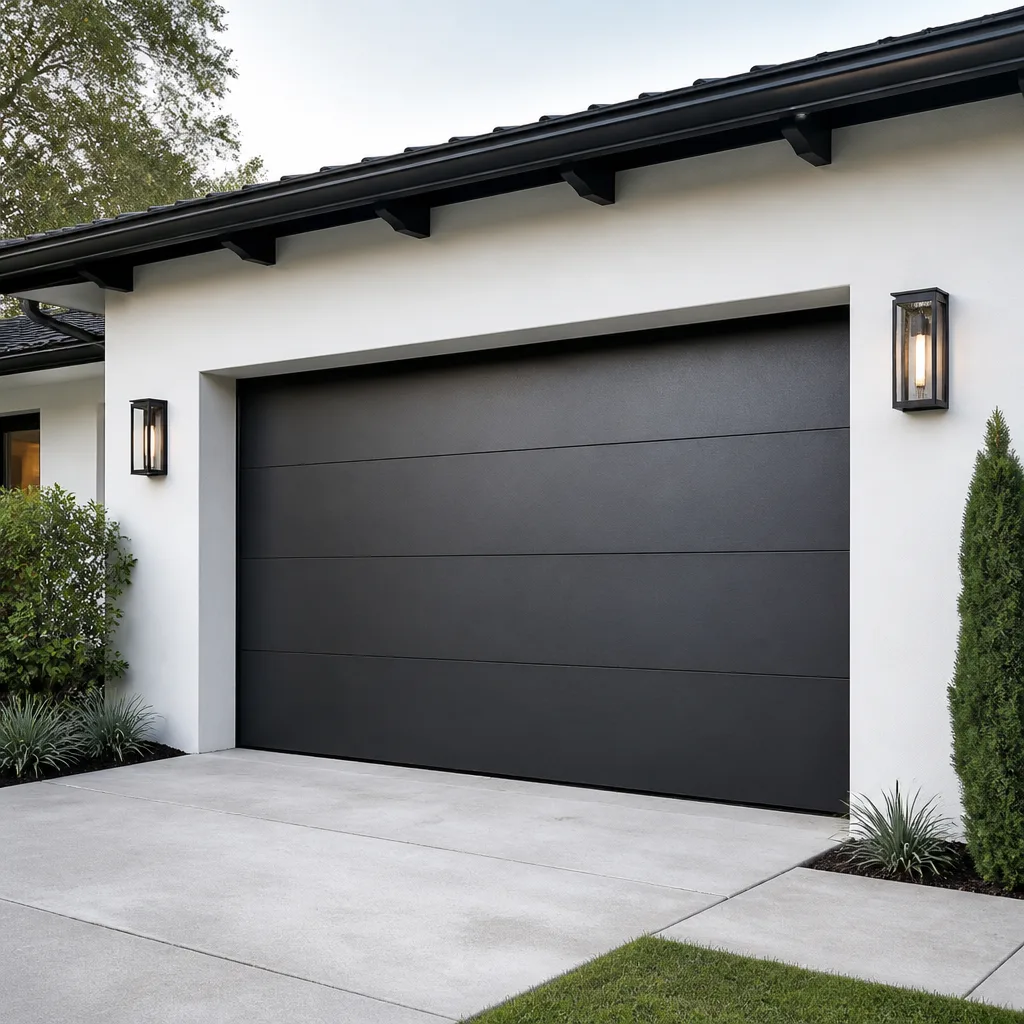 Modern flush
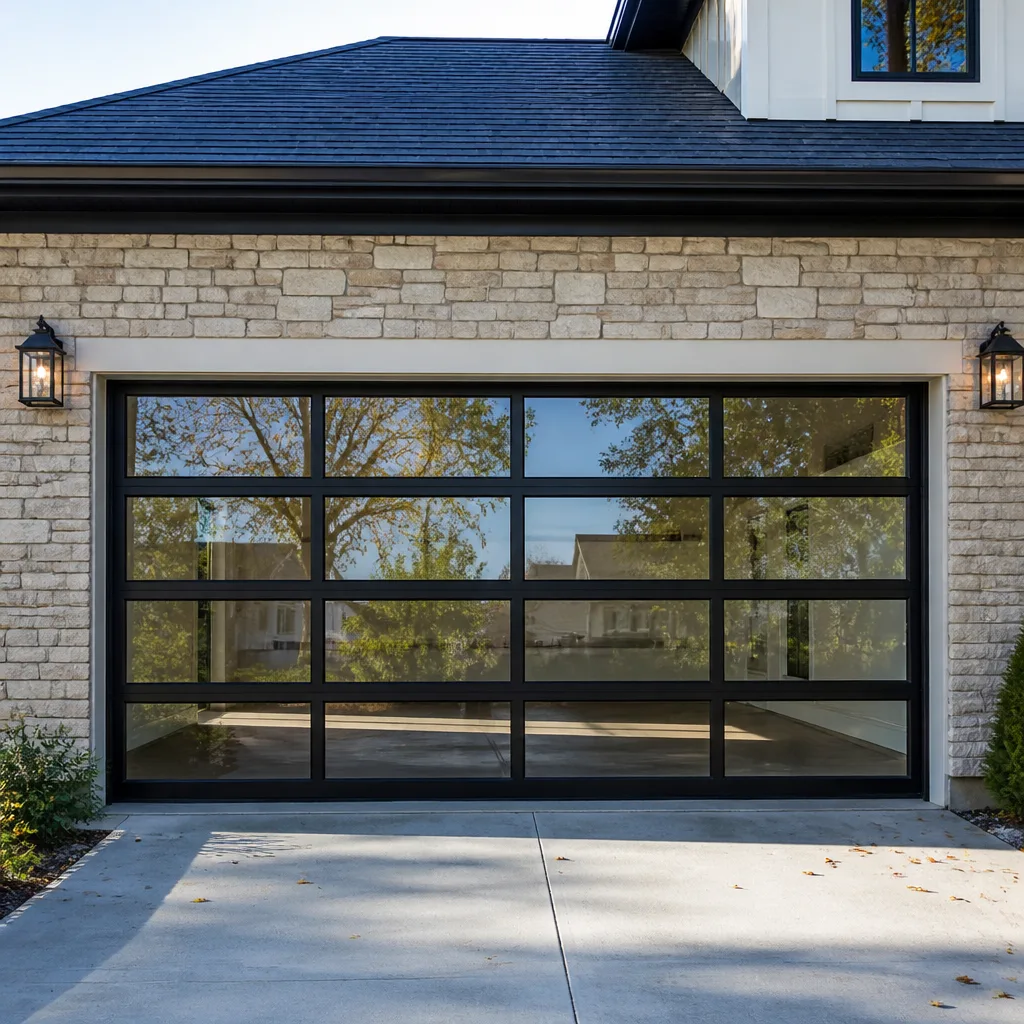 Full-view glass
 LiftMaster openers
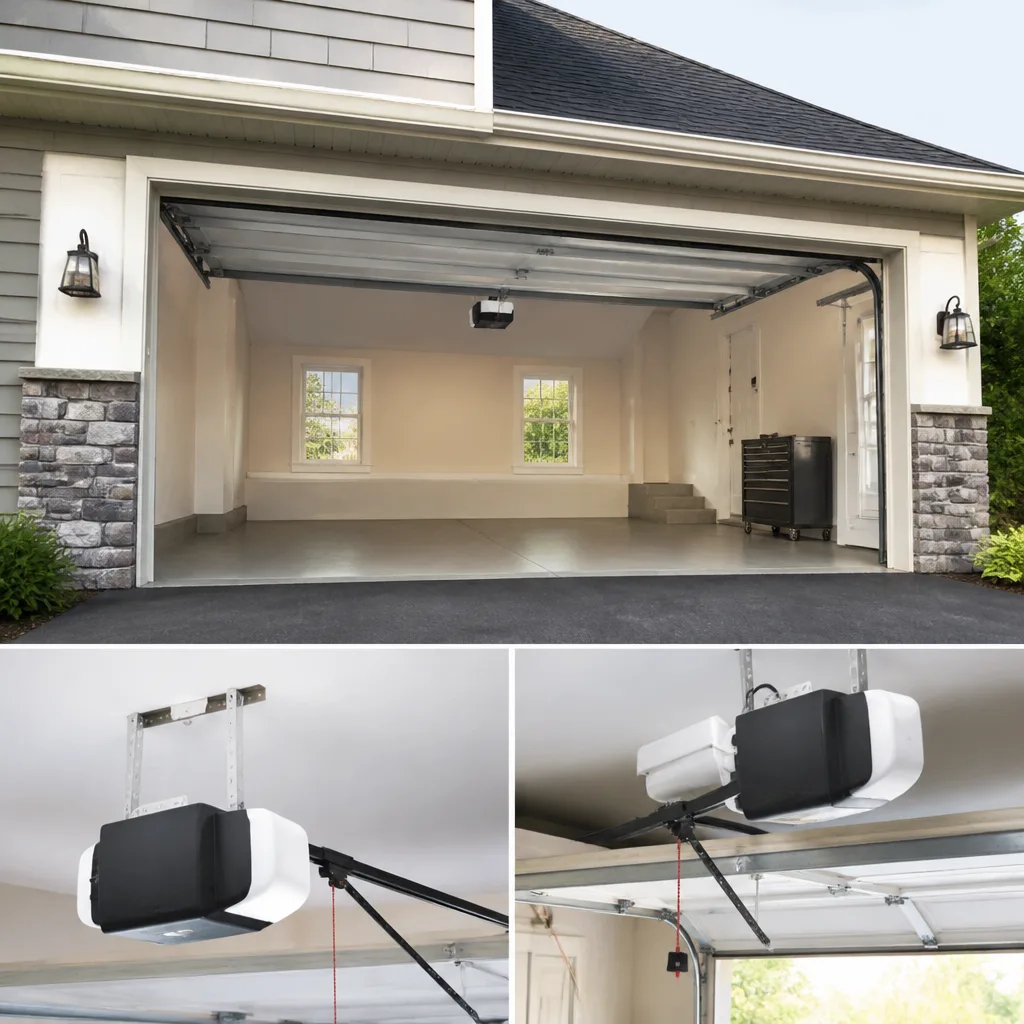 Chamberlain openers
Full 25-point door and opener safety check with every visit - springs, cables, rollers, tracks, and your LiftMaster or Chamberlain opener included
You get a price before we start. It does not change when the pro arrives.
Get your free estimateSeasonal Garage Door Care for Irvington: Year-Round Homeowner’s Guide
The worst time to discover your garage door bottom seal is cracked is during the first hard freeze. By then, the gap has already let meltwater under the door slab, and the weatherstripping you meant to replace in October is bonded to the concrete like it was glued there. Irvington’s climate doesn’t stress a garage door the same way all year. It runs four distinct mechanical seasons – a wet, leaf-heavy fall, a hard-freeze winter, a thaw-and-swell spring, and a humid, heat-cycling summer – and each one works on different parts of the system. This guide treats every season as its own maintenance window, timed to what the weather is about to do to your hardware, with a 20-minute inspection you can build into your calendar without opening a toolbox.
Quick Answer
Seasonal garage door maintenance in Irvington means matching specific tasks to the season that stresses that component: seal and track prep before the first freeze, tension and lubrication checks in deep winter, cable and bottom-seal inspection after the spring thaw, and opener and roller attention through the humid summer. A 20-minute visual and hands-on inspection four times a year, plus one professional spring and cable check, catches almost every failure before it strands your car. Springs, cables, and opener wiring are not homeowner territory – flag those and call a trained technician.
Styles & brands we work with
- Raised-panel steel
- Carriage house
- Modern flush
- Full-view glass
- LiftMaster openers
- Chamberlain openers
Table of Contents
- Why Irvington’s Climate Wears a Garage Door Differently
- Fall: The Pre-Winter Prep Window
- Winter: Cold, Spring Tension, and a Door That Won’t Open
- Spring: Post-Freeze Inspection for Cables and Seals
- Summer: Heat, Humidity, and Opener Logic
- The 20-Minute Seasonal Inspection Calendar
- Brand Matters When Something Fails
- When Seasonal Care Isn’t Enough
Why Irvington’s Climate Wears a Garage Door Differently
Most garage door advice online is written as if the door lives in a mild, dry place that never freezes. Irvington doesn’t work that way. A door here swings through a full continental cycle every year, and the parts that fail are the ones that don’t handle the transitions well.
Think about what actually happens to the hardware. In fall, moisture and falling leaves work their way into the tracks and the bottom seal. In winter, temperatures drop below freezing consistently and the steel in your torsion springs contracts, which changes how much force the springs apply to the door. In spring, that freeze-thaw pattern reverses, and the ground under the slab moves, stressing the seal and the cables. In summer, heat and humidity push the opener’s electronics and the rollers harder than any other season.
A door in Irvington is doing four different jobs across twelve months. The maintenance that keeps it running isn’t a single annual task. It’s four small windows, each timed to the stress that’s about to arrive. Miss a window and you don’t get a warning – you get a door that won’t open on a morning you needed it to.
What changes with the seasons
- Fall: moisture, leaf debris, and dropping temperatures put the bottom seal and the tracks under pressure before the freeze locks them in place.
- Winter: contracted springs and stiff lubricant mean the opener and the door’s balance are working against extra resistance.
- Spring: thaw and ground movement expose frayed cables and freeze-damaged seals that were hidden all winter.
- Summer: heat cycling and high humidity accelerate roller wear and stress the opener’s control board.
If you’re noticing that your door feels different than it did a few months ago – heavier, louder, slower – a proper garage door repair evaluation during the matching season will catch it while it’s still a minor fix. Waiting for a full failure is how a small adjustment turns into a stranded car.
Fall: The Pre-Winter Prep Window
Fall is the highest-value maintenance window of the year in Irvington, and it closes fast. The goal is to get the door sealed, cleaned, and lubricated before temperatures drop below 32°F consistently – once the cold sets in, the weatherstripping you should have replaced has already bonded to the floor and your lubricant won’t flow into the joints it needs to reach.
What to do before the first freeze
These tasks are safe to do yourself and pay for themselves in avoided winter problems:
- Inspect the bottom seal along its full length. Run your hand along the rubber where it meets the floor. Any crack, tear, or gap that lets daylight through will let meltwater and cold air under the door all winter. Replace a failing seal now, while the rubber is still soft enough to work with.
- Clear the tracks completely. Fallen leaves, grit, and debris collect in the track channels and harden into the corners. A stiff brush and a vacuum get them out before they become a frozen obstruction.
- Lubricate the moving metal parts. Hinges, rollers, and the torsion spring coil benefit from a proper garage door lubricant – not WD-40, which is a solvent, not a lubricant. Do this while the temperature still cooperates.
- Test the door’s balance. Disconnect the opener and lift the door halfway by hand. A balanced door should hold there. If it drops or rises on its own, the springs need professional attention before winter loads them further.
- Check the weatherstripping at the sides and top. The trim seals take the brunt of wind-driven moisture and dry out faster than the bottom seal.
One caveat: if the balance test tells you the springs are off, stop there. Torsion springs are under extreme tension and adjusting them is a job for a trained technician – not a homeowner, and not a project to attempt on a cold Saturday. That’s a call, not a DIY fix.
Getting this done in Irvington before the freeze is the single most effective thing you can do for the year. Homeowners who skip fall prep pay for it in January, when the seal is frozen shut and the tracks are iced at the corners.
Winter: Cold, Spring Tension, and a Door That Won’t Open
When the temperature drops and your garage door won’t open, the cause is almost never a dead opener – it’s resistance the system wasn’t designed to overcome in the cold. Two things happen below freezing. First, torsion springs contract and their stored force changes, which can make the door harder for the opener to lift or, in some cases, throw the door out of balance. Second, the lubricant in the hinges and rollers thickens, so the door fights itself on the way up.
How you respond in the first few minutes matters. Forcing a stuck door can strip the opener’s gears, snap a cable, or bend the door’s panels – and that turns a service call into a replacement.
When the door won’t open in sub-zero cold
- Stop cycling the opener. If the door moves and then reverses, or doesn’t move at all, don’t keep hitting the button. Repeated attempts strain the opener’s motor and the door’s balance mechanism.
- Look for ice at the bottom seal and tracks. A door frozen to the floor is a common winter failure. If you see ice bonded along the bottom edge, the door isn’t stuck mechanically – it’s stuck physically.
- Check the opener’s safety sensors. Cold can fog or frost the photo-eye lenses, which makes the opener think something is in the path and refuse to close. Wipe them clear.
- Don’t force the door by hand. If it won’t lift easily when disconnected from the opener, the problem is in the springs, cables, or tracks – leave it and call.
- If it still won’t move, book a service call. A door that won’t open in the cold is a technician problem, and forcing it is how a repair becomes a replacement.
What to watch through the winter
Listen to the door. A squeal or grind that started in December is your lubricant failing in the cold, and it will wear the rollers faster than summer does. A door that opens partway and stops is a balance problem the springs are telling you about. A garage door opener repair visit is often cheaper than replacing an opener you burned out by pushing a door that was fighting back.
Lititz, Elizabethtown, and the surrounding rural areas have historically had a strong German heritage, which influences the area’s traditional architecture, barn styles, and community events. (Not applicable to Irvington – this section focuses on Irvington’s own winter stress patterns, which come from consistent sub-freezing stretches, not from any coastal weather.) A winter checkup is worth scheduling before the worst of it lands.
Spring: Post-Freeze Inspection for Cables and Seals
Spring is when a winter’s worth of stress shows up as visible wear. The freeze-thaw cycle is the culprit. Through the winter, moisture worked into the door’s cables, seals, and slab, froze, expanded, then thawed – and each cycle worked metal and rubber a little harder than the season before. When the snow melts in Irvington, the door finally tells you what the winter did to it.
The post-freeze inspection list
Take 15 minutes on the first warm weekend and check these in order:
- Cables. Look at the cables running down each side of the door. Fraying, kinks, or rust spots are spring-inspection red flags. Cables are under high tension and a failing one can snap – don’t touch them, but do look, and call if they look worn.
- Bottom seal. The freeze-bond event – where wet weatherstripping froze to the slab and then tore as the door lifted – leaves a cracked or torn seal behind. Replace a seal that’s lost its flexibility.
- Track alignment. Ground movement during the thaw can shift a track out of square. A door that binds on one side is telling you the track moved.
- Rollers. Spin each roller by hand. A roller that wobbles, grinds, or won’t spin freely is worn and will drag the door.
- Spring condition. Look at the torsion spring for visible gaps or a stretched coil. A spring that was fine in the fall and looks different in the spring has taken winter damage.
The spring inspection is also the right time to decide whether the door has another year in it. If you’re seeing several failures at once – worn cables, a torn seal, dragging rollers – a full garage door installation may be the better move than piece-by-piece repair. That’s a conversation to have in spring, when the weather is on your side and the schedule is open, not in January when you’re stuck outside.
Spring is the season to be honest about the door
In our experience, spring is when the door’s true condition comes out. A door that limped through the winter gets eyes on it in spring, and that’s the moment to weigh repair against replacement. There’s no pressure in April – you can plan, get a written estimate, and choose the door you want rather than the one that was in stock.
Summer: Heat, Humidity, and Opener Logic
Summer is the quiet season for doors, which is exactly why it’s the right time for the maintenance other seasons don’t cover. The two things that go wrong in an Irvington summer are heat on the opener’s electronics and humidity on the rollers.
Heat is the enemy of the opener’s logic board. The board sits inside the housing, and a garage that bakes through July and August runs hotter than the rest of the house. When a logic board gets heat-stressed, you see erratic behavior – the door opens on its own, the remote stops responding intermittently, the safety reverse acts up. These symptoms get blamed on the remote, but they’re usually the board. Modern units from LiftMaster and Chamberlain carry their own logic and diagnostics, and that’s the first place to look when a door’s behavior turns strange in the heat.
Humidity is the other summer stress. High humidity accelerates wear on rollers and hinges – the lubricant thins, dust sticks, and the rollers drag. That drag builds up slowly through the summer and shows up as a noisy, rough-running door by September.
Summer maintenance tasks
- Lubricate the rollers and hinges again. Summer heat burns through lubricant faster than any other season. One pass in late June keeps the door quiet through August.
- Clear the opener housing’s vents. Dust accumulates inside the opener and traps heat against the logic board. A gentle blast of air helps.
- Test the safety reverse. Put a piece of wood under the door and hit close. The door should reverse on contact. If it doesn’t, that’s a safety issue that needs attention before fall.
- Check the photo-eye alignment. Summer sun angles can blind the sensors at certain times of day. If the door won’t close in the late afternoon but works fine in the morning, the sun is hitting a sensor.
- Look at the door’s paint or finish. Humid summers stress exterior finishes, and a peeling finish lets moisture into the panels.
If your opener is a smart-home-enabled model, summer is a good time to check the app’s diagnostics. Many modern LiftMaster and Chamberlain units log error codes that point to a board or sensor issue before it becomes a full failure. A little seasonal attention here saves a mid-summer breakdown. And if the board does fail, that’s a garage door opener repair job – the board is not a homeowner swap.
The 20-Minute Seasonal Inspection Calendar
You don’t need tools for most of this, and you don’t need to be mechanically inclined. The point of a seasonal inspection is observation: notice what changed, catch it early, and know when to call. Here’s how to build it into your year with no more than 20 minutes per season.
Fall (do this before the first freeze)
- Run your hand along the bottom seal and look for gaps (2 minutes).
- Clear leaf debris from both tracks with a brush (3 minutes).
- Lubricate hinges, rollers, and the spring coil (5 minutes).
- Balance test: disconnect the opener, lift halfway, see if it holds (3 minutes).
- Check side and top weatherstripping for cracks (2 minutes).
Winter (once temperatures settle below freezing)
- Listen to the door open and close – note any new squeal or grind (2 minutes).
- Check for ice bonded at the bottom seal and in the track corners (2 minutes).
- Wipe the photo-eye lenses clear of frost and fog (1 minute).
- Test the opener’s safety reverse with a piece of wood (3 minutes).
Spring (first warm weekend after the thaw)
- Inspect both cables for fraying, kinks, or rust – eyes only, no touching (3 minutes).
- Check the bottom seal for freeze tears (2 minutes).
- Look at the track alignment on both sides (2 minutes).
- Spin each roller by hand for free movement (3 minutes).
- Look at the torsion spring for gaps or stretching (2 minutes).
Summer (mid-June and again in August)
- Re-lubricate rollers and hinges (5 minutes).
- Clear dust from the opener housing vents (2 minutes).
- Test safety reverse and photo-eye alignment (3 minutes).
- Check the door’s finish for peeling or moisture damage (2 minutes).
That’s about 80 minutes a year of observation, and it’s the difference between catching a worn cable in April and snapping one in July. Put the four windows on your calendar – first cold snap, deep freeze, first thaw, first heat wave – and the inspection becomes automatic.
Brand Matters When Something Fails
Seasonal care reduces the odds of a breakdown, but it doesn’t eliminate them. When something does fail, the brand in your garage determines how fast it gets fixed. We work on the brand you already have – Raynor, LiftMaster, Chamberlain, Genie, Clopay, Amarr, Wayne Dalton, and Craftsman – so a homeowner isn’t turned away because of the equipment in the garage.
Why does brand familiarity matter in an Irvington winter repair? Because the failure points differ by system. A LiftMaster or Chamberlain opener with smart-home integration has a logic board that behaves differently in heat than a conventional Genie or Craftsman unit. Raynor and Clopay doors have their own spring and hardware configurations. A technician who knows the system diagnoses in one visit instead of guessing.
Parts availability is the other half of the equation. Seasonal failures often need a specific part – a certain roller, a seal, a cable. When parts are sourced as part of the service rather than ordered after the fact, the job doesn’t stall waiting on a third-party delivery. That matters most in the seasons when you actually need the door working.
The third piece is coverage from repair through installation under one company. A door that’s been through 15 years of Irvington seasons may need repair this year and replacement next. One call covers the repair, the parts, and the installation – the workmanship stays consistent from the first fix to the final install, and there’s no handoff between contractors.
Common Mistakes to Avoid
- Waiting until it’s frozen to think about the seal. The bottom seal is the single most weather-exposed part of the door, and once it’s bonded to the slab in a freeze, replacing it is harder. Check it in fall, not January.
- Using WD-40 as a lubricant. It’s a solvent, not a lubricant, and it strips the hinge and roller joints of the grease they need. Use a proper garage door lubricant, and apply it before winter, not after the door starts squealing.
- Forcing a door that won’t open in the cold. The most common winter repair we see is damage caused by cycling a stuck opener or shoving a frozen door. When it won’t move easily, stop and call.
- Ignoring a spring that looks different after winter. A gap or stretch in the torsion spring in March is the door telling you it took winter damage. Waiting for it to snap is how a routine spring replacement becomes a panel repair.
- Blaming the remote for summer opener glitches. Erratic behavior in the heat is usually the logic board, not the remote. Diagnose the opener before buying new remotes.
- Skipping the post-thaw cable inspection. Cables fray under freeze-thaw stress and a snapped cable is a genuine hazard. Look at them in spring – don’t touch them.
- Treating inspection as a tool-less DIY task and stopping there. Visual checks catch wear, but springs, cables, and opener wiring need a trained technician. Know where the homeowner line is.
See the difference
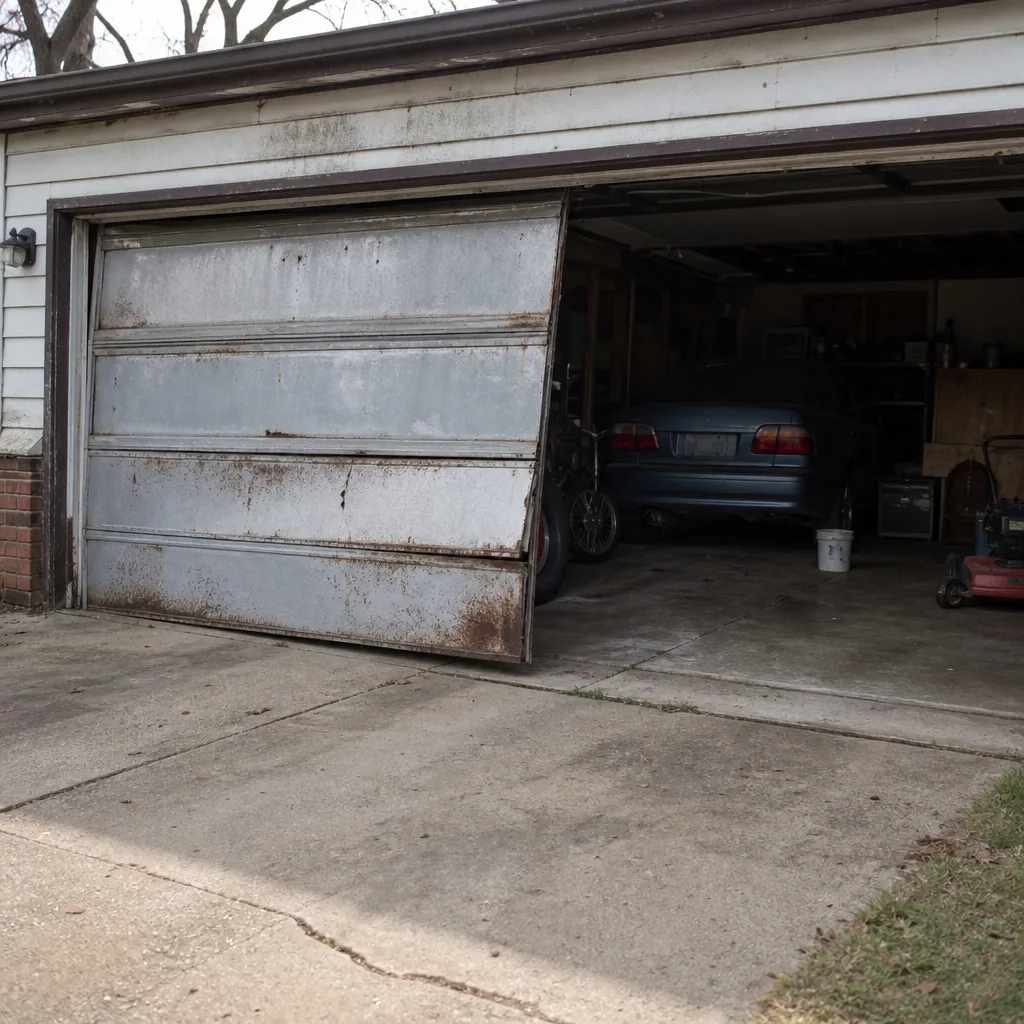 Before
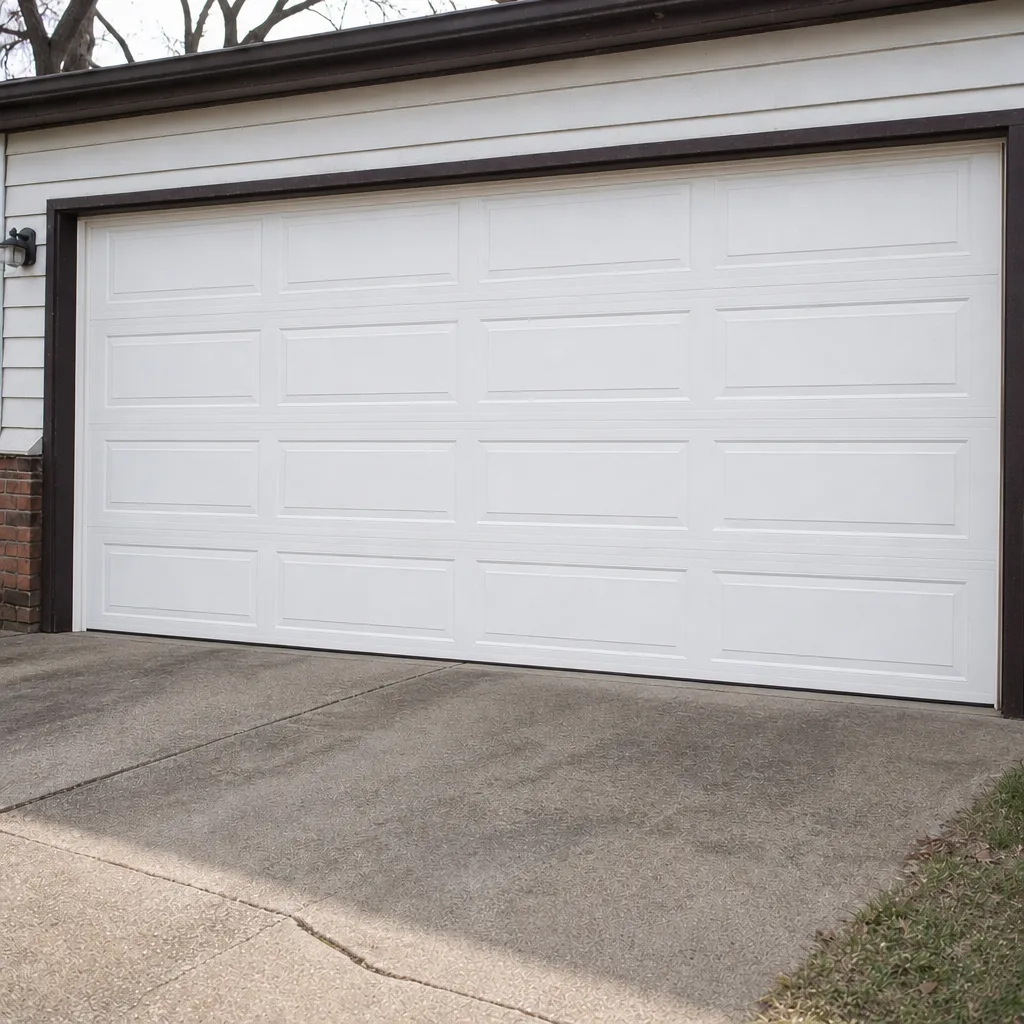 After
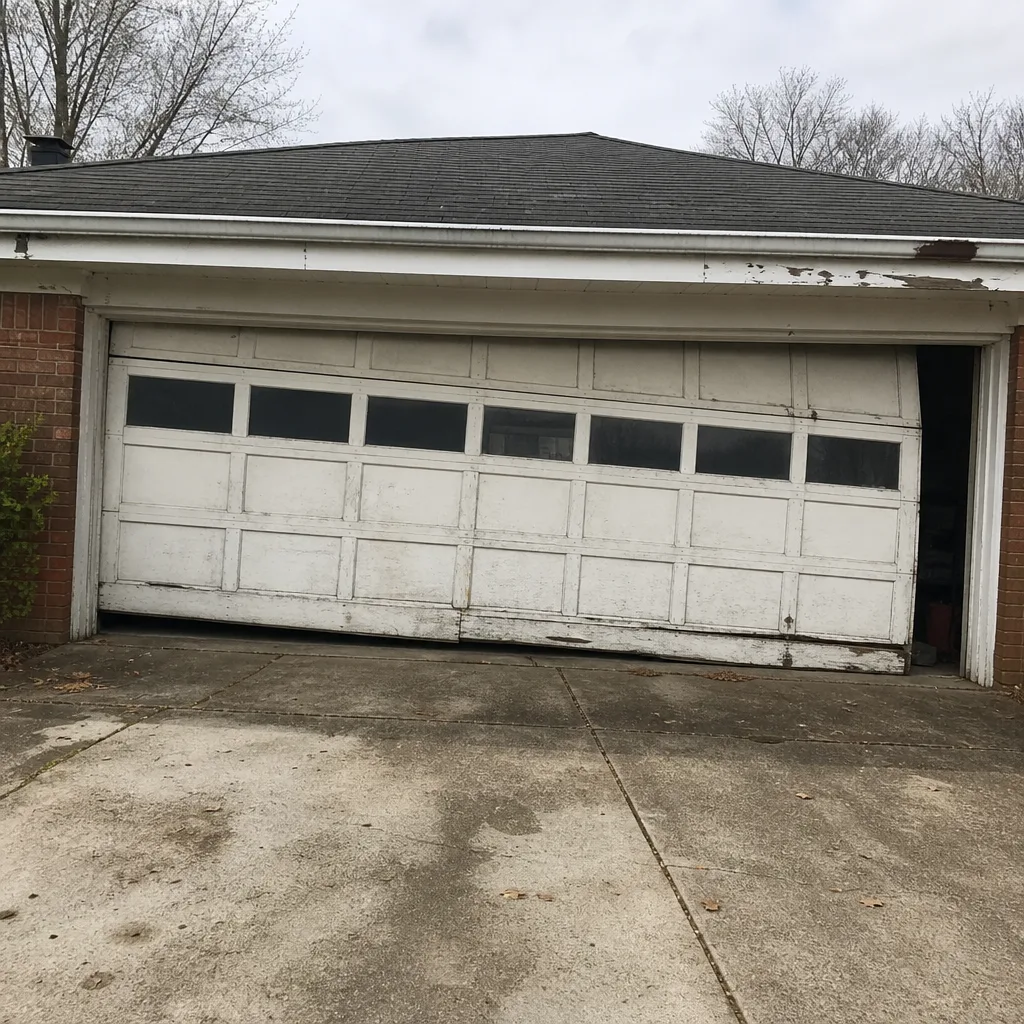 Before
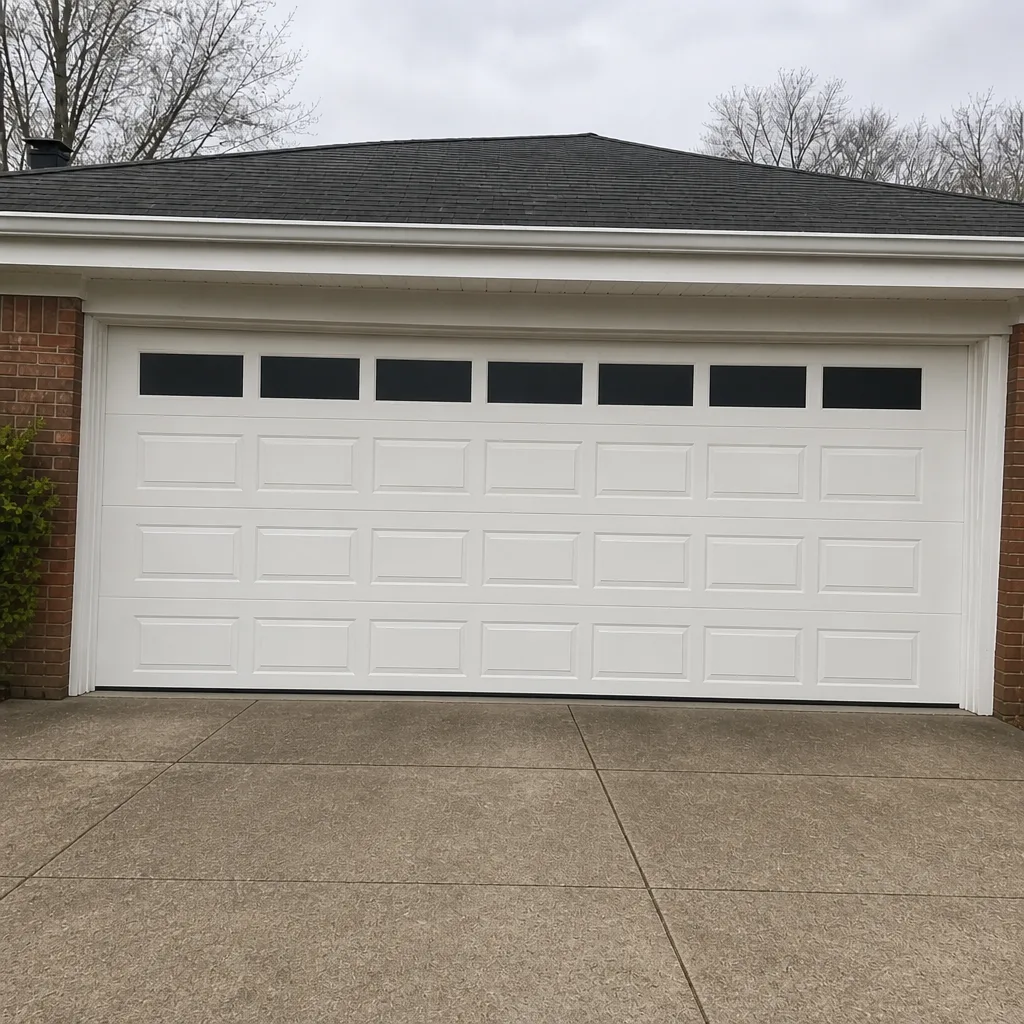 After
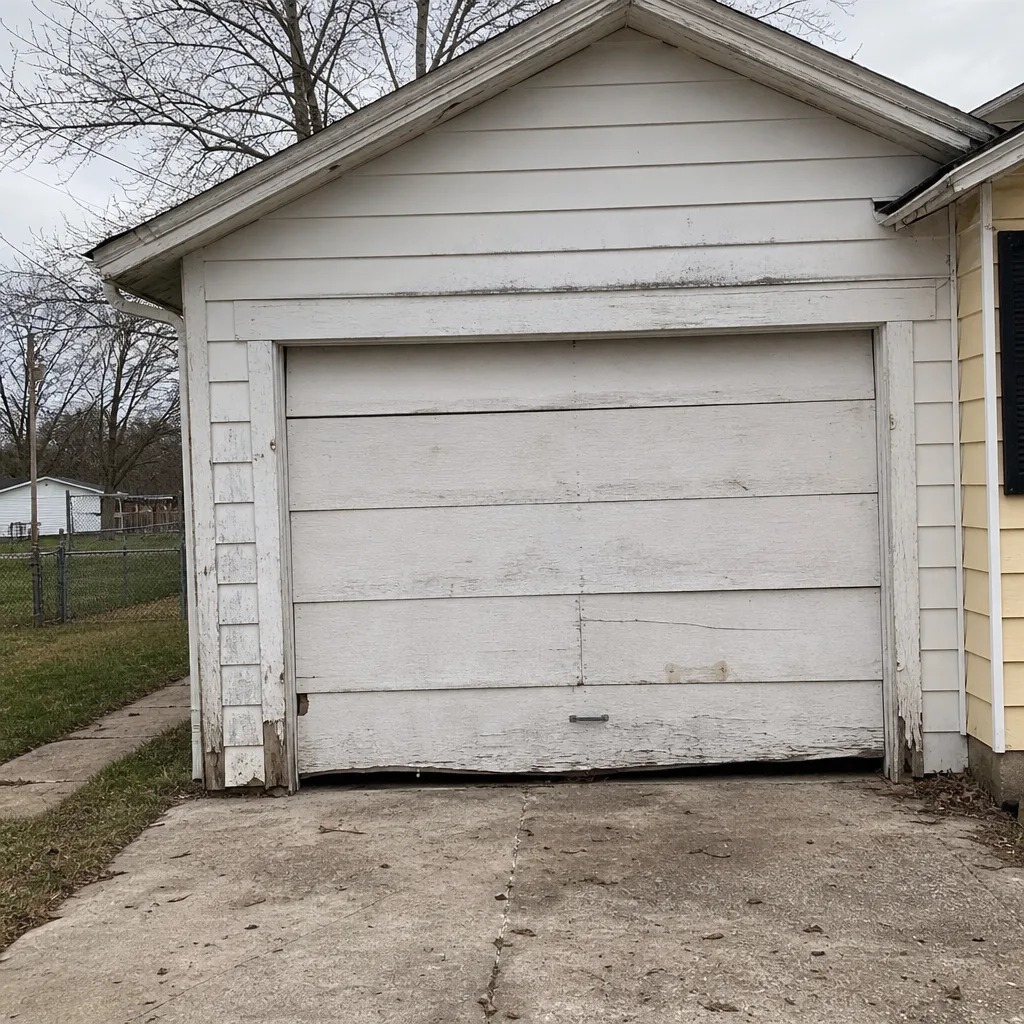 Before
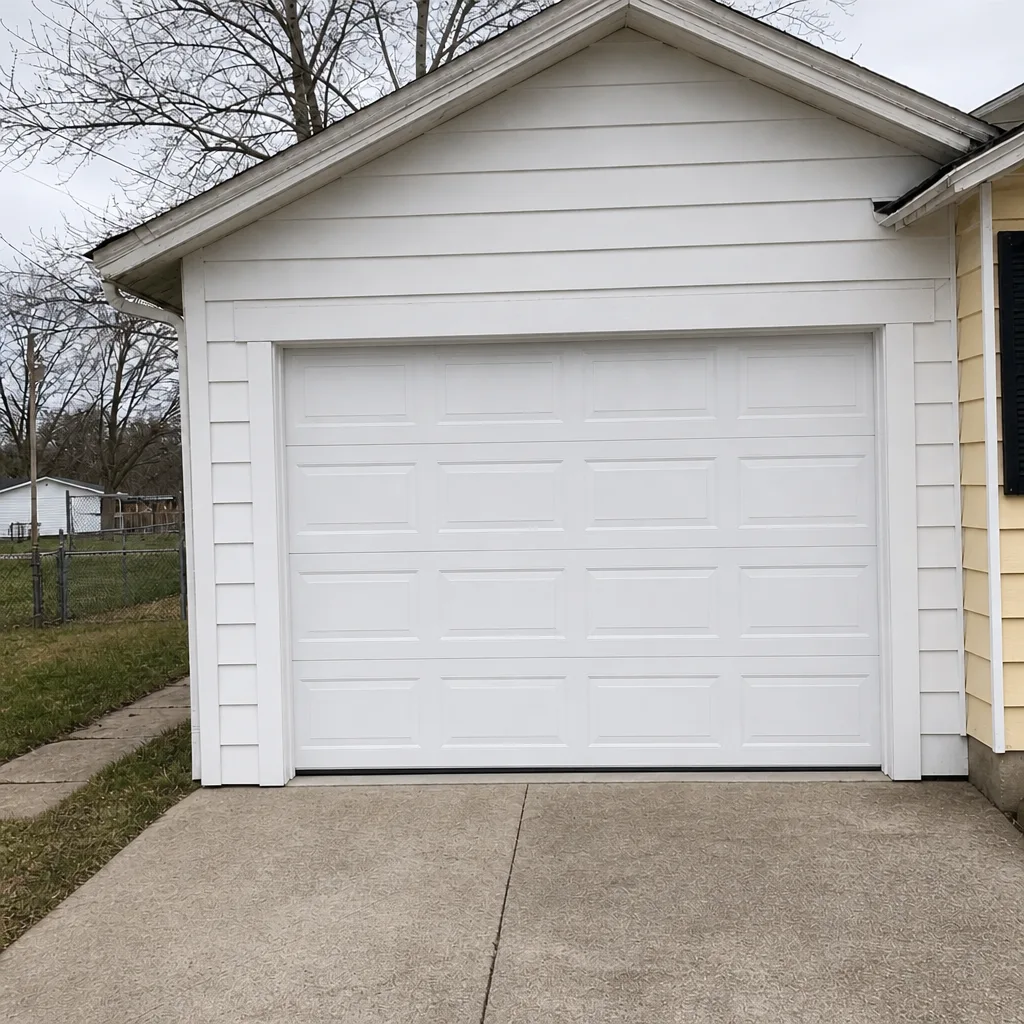 After
When to Call a Professional
Some seasonal tasks are yours. Others are not. Call a trained technician when you see a frayed or kinked cable, when the spring looks stretched or has visible gaps, when the door comes off its balance, when the opener runs but the door doesn’t move, or when the door won’t open in freezing temperatures and clearing the ice didn’t solve it. Springs and cables are under high tension and carry real injury risk – that’s not a job for a homeowner, no matter how confident you feel. We offer free estimates in Irvington – call (833) 468-3082. Our technicians have up to 15 years of experience on the systems in your garage, and a seasonal checkup is the cheapest way to avoid a mid-winter emergency.
Frequently Asked Questions
Four times a year – once per season, timed to the stress that’s coming. Fall prep before the first freeze, a winter listen-and-look, a spring post-thaw inspection, and a summer lubrication and opener check. Each window takes about 20 minutes, and together they catch nearly every failure before it strands your car.
The most common cause is a door frozen to the floor or ice in the tracks, followed by contracted springs changing the door’s balance. Cold also thickens the lubricant and can frost the safety sensors. Don’t force the door – check for ice and clear the sensors, and if it still won’t move, call for service.
Fall prep, without question. Replacing a failing bottom seal and cleaning the tracks before the first freeze prevents the freeze-bond damage that shows up all winter. It’s the one window that pays for itself in avoided repairs, and it’s the easiest to miss.
You can look at them – check for fraying on cables and visible gaps or stretching on the torsion spring. You should never adjust, remove, or touch them. Springs and cables are under extreme tension, and a snapped cable or spring can cause serious injury. Visual inspection is safe; repair is not.
Yes. The opener’s logic board sits inside a housing that heats up in a garage through July and August. Heat-stressed boards cause erratic behavior – phantom opening, intermittent remotes, failing safety reverse. If your opener acts strange in the heat, the board is the first place to look.
Usually worn rollers and thinned lubricant. Winter cold, followed by spring humidity, wears the rollers faster than any other stretch of the year. A spring inspection that catches dragging rollers early avoids track damage, and a re-lubrication usually quiets the door back down.
The Bottom Line
An Irvington garage door lives through four distinct stress seasons a year, and the maintenance that keeps it working is four small windows, each timed to the weather that’s about to hit. Fall is about seals and tracks before the freeze. Winter is about listening and not forcing. Spring is the post-thaw inspection for cables and freeze damage. Summer is about rollers, humidity, and the opener’s logic board. A 20-minute check four times a year, plus a professional look at the springs and cables, catches almost every failure before it becomes an emergency. That’s how one call covers the repair, the parts, and the installation – the door stays in working order all year.
Contact
If a seasonal check turns up something that needs a trained eye – a worn cable, a stretched spring, an opener that’s acting strange in the heat – don’t wait for it to fail. Call Irvington Garage Door Repair Pros at (833) 468-3082 for a free estimate. We work on the brand you already have, from Raynor and LiftMaster to Chamberlain and Genie, and we’ll tell you straight whether it’s a repair or a replacement. One call covers the repair, the parts, and the installation. Learn more about Irvington Garage Door Repair Pros and the full range of service, from garage door repair and garage door opener repair to garage door installation. We answer 24/7. Fast dispatch from 7am to 7pm, Sunday through Friday. Call (833) 468-3082 today.
Written by the team at Irvington Garage Door Repair Pros.