
Last updated November 20, 2026
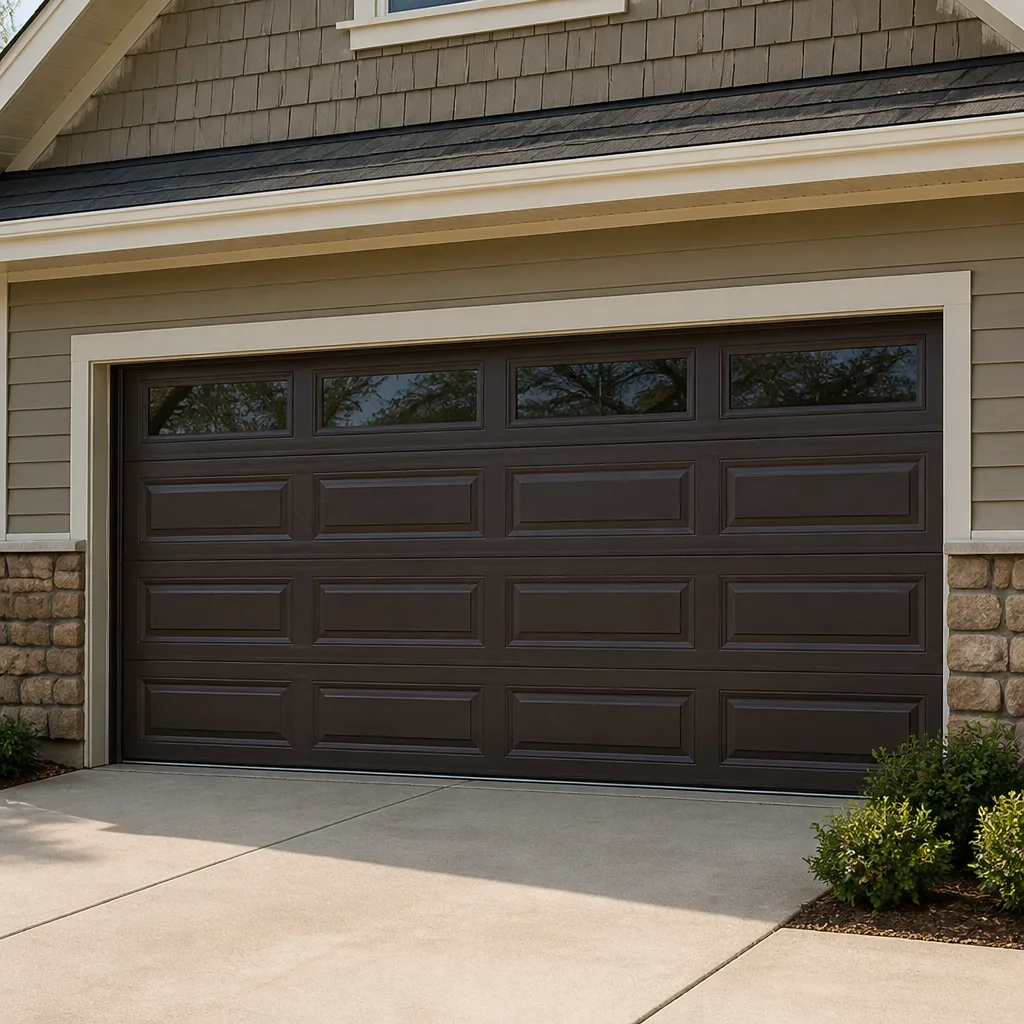 Raised-panel steel
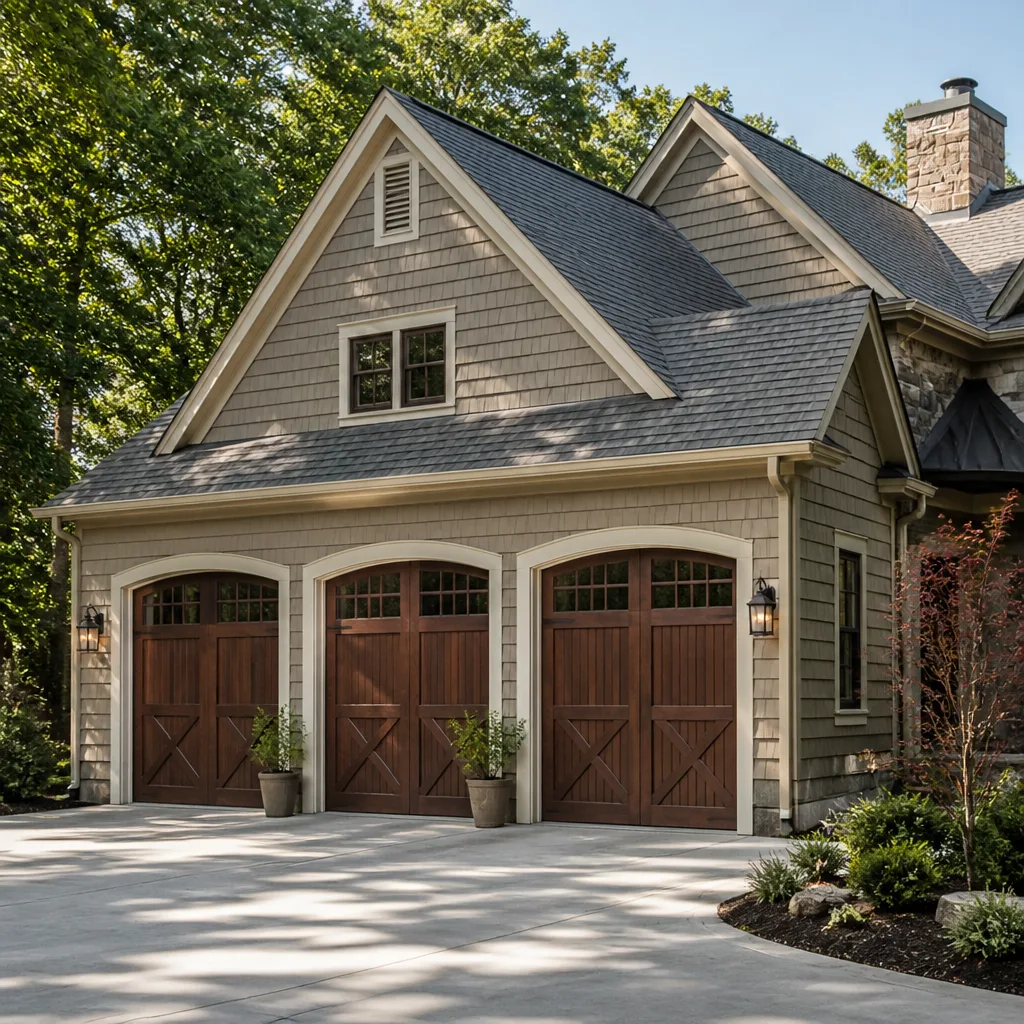 Carriage house
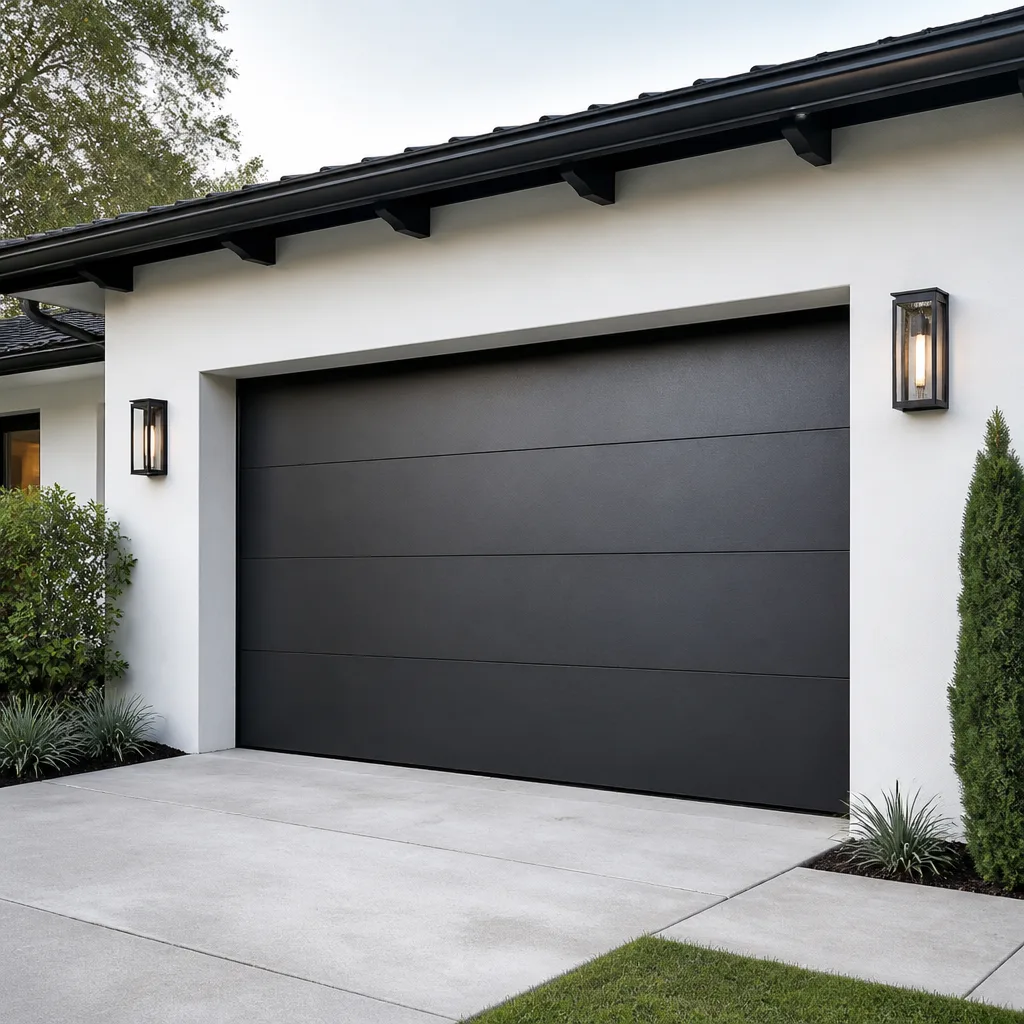 Modern flush
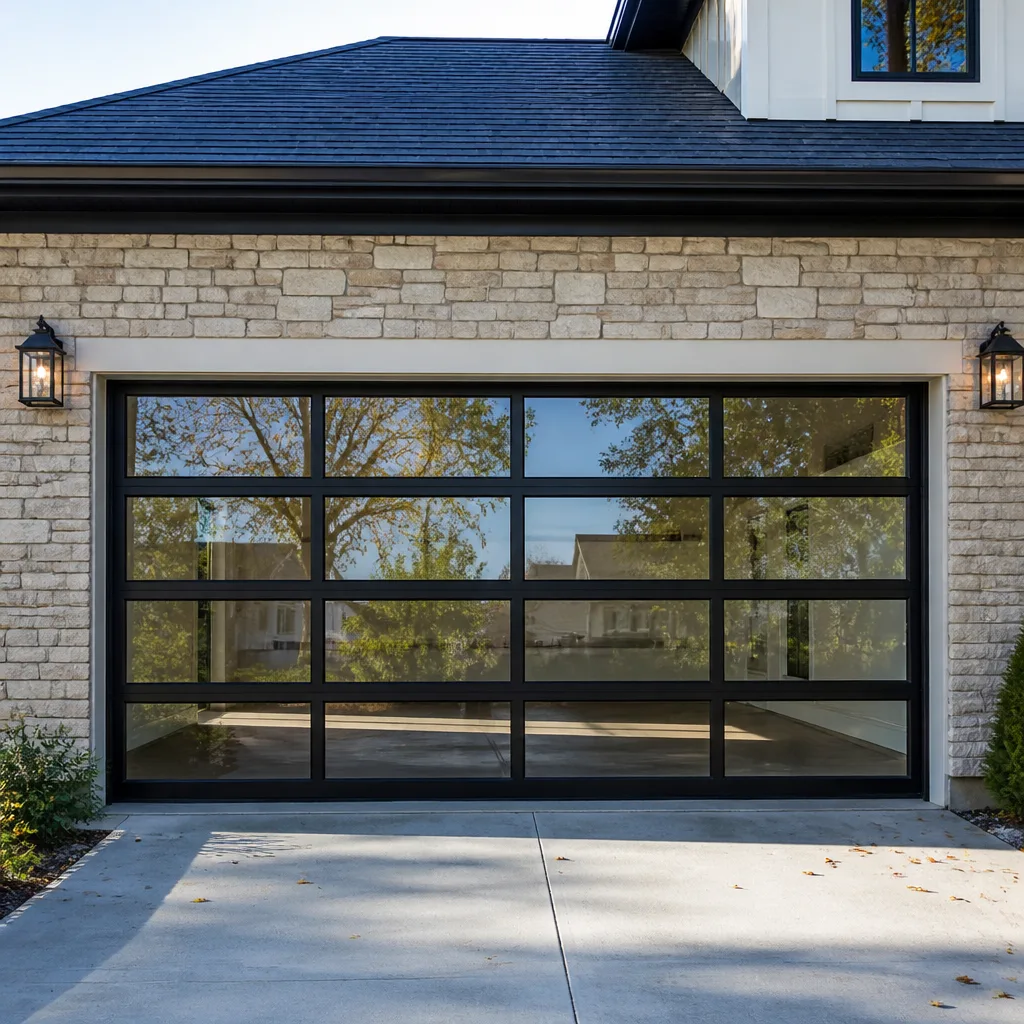 Full-view glass
 LiftMaster openers
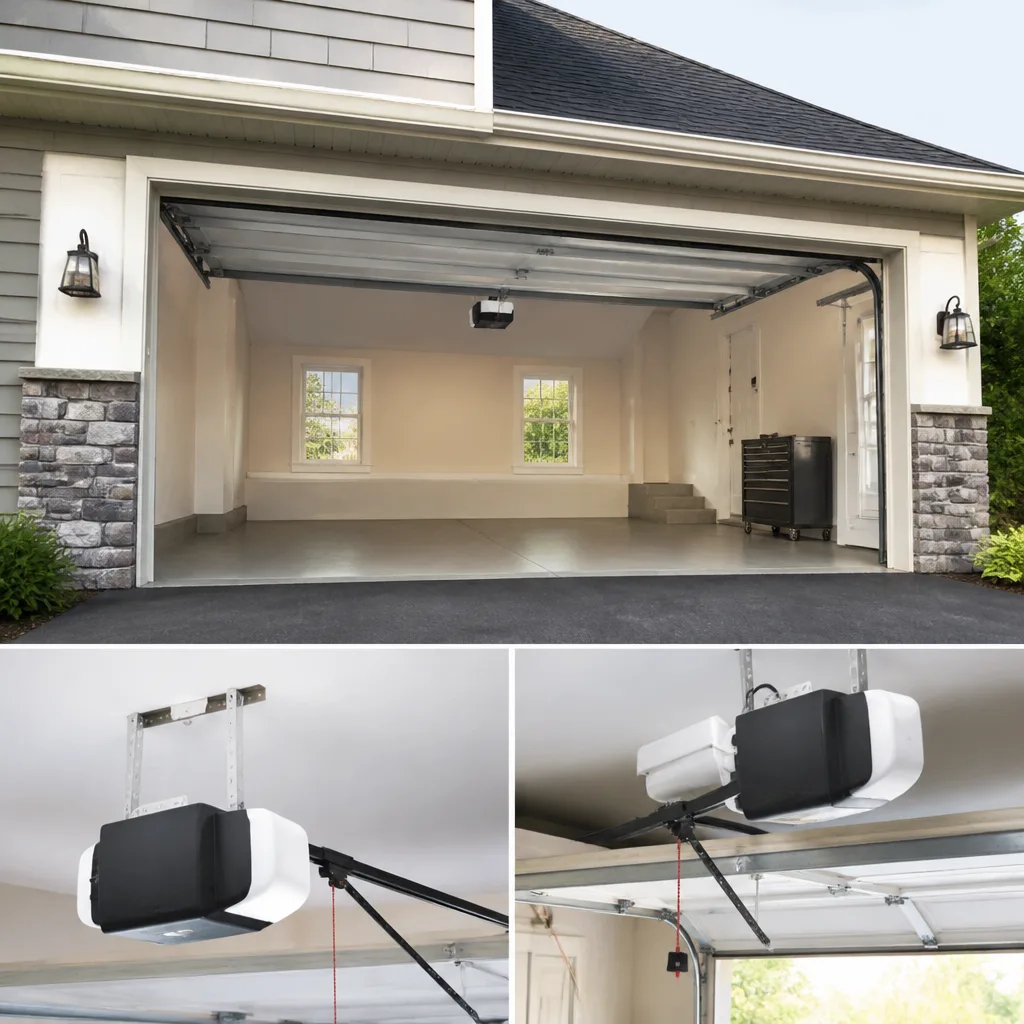 Chamberlain openers
Full 25-point door and opener safety check with every visit - springs, cables, rollers, tracks, and your LiftMaster or Chamberlain opener included
You get a price before we start. It does not change when the pro arrives.
Get your free estimateGarage Door Repair Maintenance Checklist for Irvington Homeowners
A snapped torsion spring almost never snaps without warning. Before it lets go, it gives three mechanical signals – and most homeowners in Irvington walk past all three every day without recognizing them. That’s the gap this checklist closes. It isn’t a list of things to spray and tighten. It’s a guide to reading your door’s warning signs before something fails, tuned to the specific wear patterns we see in Irvington’s housing stock and its freeze-thaw winters. You’ll learn what to look at, how often, and what the difference is between normal wear and a component that’s about to let go.
Quick Answer
A practical garage door maintenance routine in Irvington runs on three clocks: a 30-second balance and sound test every month, a hardware and weatherstrip inspection each season, and a full lubrication and safety-reverse check once a year. The single highest-value habit is listening to your door before it starts making noise – unusual sound, a door that drifts on its own, or gaps along the bottom edge all signal failure weeks ahead. Anything involving torsion springs or high-tension cables should be inspected visually, never handled.
Styles & brands we work with
- Raised-panel steel
- Carriage house
- Modern flush
- Full-view glass
- LiftMaster openers
- Chamberlain openers
Table of Contents
- Three Warning Signs Your Door Gives Before It Fails
- The 30-Second Balance Test That Predicts Opener Burnout
- What to Lubricate and What to Leave Alone
- Weatherstripping and Irvington’s Freeze-Thaw Cycle
- Your Month-by-Month, Seasonal and Annual Schedule
- Springs and Cables: What You Can Safely Look At
- Opener and Motor Warning Signs
- Common Mistakes to Avoid
- When to Call a Professional
Three Warning Signs Your Door Gives Before It Fails
Most garage door failures we’re called out to fix announce themselves in advance. The signals are subtle, and they don’t involve tools. You need eyes, ears and about thirty seconds.
Signal 1: Listen for the opening cycle. A healthy torsion door produces a smooth, low hum. What you’re listening for is change – a new thump as the door passes a certain height, a grinding click when the opener engages, or a creak that wasn’t there last month. Those sounds map to specific parts: a rhythmic click as the door clears the lintel usually points to a worn roller or a hinge starting to seize. A grinding noise at the opener head can mean the gear train is stripping. Track any new sound instead of tuning it out.
Signal 2: Watch for roller wobble. Stand inside your garage and look at the door from the side as it opens. Good rollers turn quietly and stay straight in the track. Failing rollers oscillate or skate rather than roll. The track itself should be constant – if the door shudders at one height, the track, the rollers, or the door’s balance is stressing.
Signal 3: A gap at the bottom. If you can see daylight along the bottom or daylight peeking through when you press on the bottom panel, the weatherstrip or the door’s travel is out of alignment. On a torsion door, that drift often correlates with a spring that’s lost strength, which means the opener motor is working harder on every cycle.
None of these requires touching a spring or a cable. They’re all visible and audible from the garage floor, and they all reward you for paying attention now instead of in January.
The 30-Second Balance Test That Predicts Opener Burnout
Your opener isn’t designed to lift the door. It’s designed to guide a door that’s already balanced. When a spring weakens, that balance shifts onto the motor, and the motor winds up working far past its design load. The fix is to check balance monthly.
Here’s the test:
- Close the garage door and disconnect it from the opener. On most models, that’s a red pull-handle on the opener rail. Pull it straight down.
- Lift the door manually to about halfway, to your chest height, and let go. Don’t push or pull after you release.
- Watch what it does. A well-balanced door holds its position. It may drift a few inches in either direction, but it should stay in place once it settles.
- If the door slams down or races back up on the release, its balance is off. Don’t try to correct it yourself. The spring tension is set at the spring, and adjusting it means handling the most dangerous component on the door.
- Reconnect the opener by pulling the release handle back toward the rail until it clicks, then run the door once with the opener to confirm normal operation.
Why this matters in Irvington specifically. Freeze-thaw cycles stress every moving part on the door, and the torsion spring is the part that takes the most abuse. A spring that tests slightly out of balance in fall can be badly out of balance by February. The balance test tells you to schedule a check before the spring snaps – and it tells you your motor is running hot before it fails. A door that slams without the opener connected means the motor has been working against a losing battle for weeks. We see far more opener failures caused by a neglected spring than by an aging motor. If your balance test is consistently failing, the real problem may not be the opener at all.
What to Lubricate and What to Leave Alone
Most lubrication advice online is generic, and a lot of it is wrong for a torsion door. Here’s what actually helps and what does nothing.
Lubricate these:
- Roller bearings and stems – yearly. A small amount of white lithium grease on the metal roller stems. If you have nylon rollers, skip the grease on the wheel itself and only touch the metal parts.
- Hinges – yearly. A drop on each hinge pivot point, worked in with a couple of open-close cycles.
- Torsion spring coils – yearly, but only lightly. A few sprays of a garage-door-specific silicone or lithium lubricant along the coils of the torsion spring reduce binding. Don’t spray the whole spring – you’re just easing the coil-to-coil friction. This is a spray from a distance, not a hands-on job.
- Metal track curves and the opener rail – yearly. A very light wipe with a rag you’ve sprayed, not a direct spray. Too much lubricant on a track collects dirt and grit, which wears rollers faster.
Leave these alone:
- Cables. Never lubricate, touch, or adjust garage door cables. They run at high tension and are under load at all times. Any lubricant on a cable can hide fraying.
- The bottom seal. Don’t grease or oil the rubber weatherstrip. It attracts grit and wears the rubber faster.
- Nylon rollers’ running surface. Nylon-on-steel is self-lubricating. Greasing it collects grit.
Product matters. Use a garage door or silicone spray lubricant, not WD-40 in a blue can – general-purpose penetrants strip existing lubricant and evaporate. A lithium grease in a spray can draws grit. Stick with the specialist product; a proper lubricant costs a few dollars more and lasts a year.
Weatherstripping and Irvington’s Freeze-Thaw Cycle
Weatherstripping is the item we see fail most often in Irvington homes, and the reason is the local winter rhythm: the bottom seal freezes against the floor, then thaws, then freezes again. Every thaw pulls the rubber slightly out of shape. Over a season, that compression gets worse, and the gap at the bottom widens.
What to do each fall, before the first real freeze:
- Close the door and look for daylight along the bottom. Any light means the seal isn’t touching – which means cold air, and eventually moisture, are getting in.
- Run a dollar bill under the seal, starting at one end and working across. You want resistance. If the bill slides out freely across a stretch of a foot or more, that section of seal has compressed and needs replacing.
- Look at the seal for cracking, brittleness, or a hard set to its shape. Rubber that’s gone hard won’t recover after the thaw – it needs to be replaced before winter, not after.
- On older wooden doors, check the weatherstripping the door jamb has, not just the bottom. Jamb seals wear faster in freeze-thaw conditions than bottom seals, because they’re pressed harder.
- Look at the threshold at the garage floor. If there’s a visible gap between a cold winter door and the floor, the door’s travel may need adjustment.
Storms and impact damage to a door panel are worth inspecting for separately. Hail is uncommon here, so panel damage in Irvington tends to come from something striking the door rather than weather – a car bumper, a hit from a tool, or a door closing onto a piece of debris in its path. A dented panel doesn’t always mean a new door; it means getting the damage looked at before it becomes a mechanical problem. Opener adjustment matters here too, because if the door reverses every time it hits a slightly rough threshold, the opener’s force setting is masking the real cause.
Your Month-by-Month, Seasonal and Annual Schedule
Here’s the whole routine compressed into a schedule. Almost none of it takes more than ten minutes, and the majority is observation.
Monthly (10 minutes):
- Run the 30-second balance test described above.
- Listen to one full open-close cycle – just listening, nothing more.
- Look for a gap at the bottom of the door.
- Clear grit and leaves from the tracks with a dry cloth.
Seasonal, four times a year (20-30 minutes):
- Wipe the tracks with a dry cloth and check for dents or misalignment – tracks shouldn’t bow.
- Inspect the rollers for wobble, cracks or flat-spotting. These are the parts most affected by freezing in Irvington’s winter.
- Test the safety reverse: place a small object like a piece of wood under the door’s edge and close it. The door should reverse on contact. Set the wood aside and test the wall-mounted opener button.
- Inspect the weatherstrip at the bottom and jamb.
- Check the photo-eye sensors near the garage floor. Wipe the lenses and confirm the indicator lights are steady.
Annual (45-60 minutes, best done in late fall):
- Do all of the above, plus a full lubrication pass on the points covered earlier.
- Test spring balance, and book a spring inspection if it’s drifting.
- Inspect hinges for damage or wobble at the pivot points.
- Check that the door hardware – bolts and brackets – is fastened (finger-tight, don’t over-torque).
- Look at the torsion spring coils for rust, gaps, or a sagging spring.
- Set the door down and listen for any new noise or vibration at the opener head.
Springs and Cables: What You Can Safely Look At
Springs are the most dangerous component in your garage door system, and we treat them that way. That’s not a marketing line – a torsion spring stores enough energy to cause serious injury, and the safety caveat is the most important paragraph on this page: inspect springs and cables visually from the floor, never by hand. Don’t spray them, don’t adjust them, don’t try to see if they’re loose by touching them. Any adjustment or replacement belongs to a trained technician.
What you can safely look for:
- Gap in the coil. A torsion spring along the top of your door should look like one continuous coil. A visible separation, or a section of spring that has clearly sprung open, means it’s already broken.
- Rust. A line of rust along the coils suggests corrosion is weakening the metal. Very common here, where freeze-thaw cycles draw moisture into the coils.
- Sag in the spring itself. Compare the tensioned spring on one side of the door with the other. If one is visibly sagging but not broken, it’s losing strength.
- Cable fraying. Cables run down the sides of the door. Look for broken strands, a kink, or a cable that’s clearly off its drum. Don’t touch – just note it and call.
- Cable pulley. The pulleys at the top and bottom corners should be straight. A pulley tilted off-axis is a wear signal.
Springs often carry a roughly comparable lifespan in years, and Irvington’s seasons compress that: a door that gets a lot of use adds cycles fast. If your door is ten years old or more and has never had a spring inspection, it’s worth having one before winter. A spring replacement is a different service line for a reason; when the integrity of a high-tension torsion system is in doubt, we recommend a dedicated garage door repair call rather than a reset on the opener.
Opener and Motor Warning Signs
An opener doesn’t usually fail without signals either. Most of what we diagnose at a service call is a motor that’s been stressed for weeks – often by a balance problem the homeowner never recognized. The door is the load; the opener is the engine. Keep an eye on the engine.
What to watch for:
- The door reverses for no obvious reason. That can be a force setting that’s been turned up to compensate for a stiff door. The real fix is usually at the door, not the opener.
- The opener runs but the door doesn’t move, or moves a few inches and stops. That points to a stripped gear train, a broken torsion spring, or a drive chain problem.
- The wall button works but the remotes don’t. Usually a battery or a radio interference issue on the opener’s receiver side, not a mechanical failure.
- Rattling or grinding from the opener housing. On chain drives, that’s often gear wear. Belt-drive units tend to be quieter but still show signs.
- Suddenly every opener signal needs a second press. That’s a symptom of a safety sensor that’s drifted out of alignment.
If the opener itself is failing, we carry expertise on the two dominant smart-home-integrated lines – LiftMaster and Chamberlain – as well as legacy systems like Genie and Craftsman, which matters most for older Irvington homes. We don’t turn people away because of the brand on the opener. When the motor itself is the problem, garage door opener repair usually gets you back in working order the same visit. Parts on hand, not on order, is the difference between a same-day fix and a job stalled for a week.
Common Mistakes to Avoid
- Greasing the tracks. It feels logical: more grease, smoother door. In practice, track grease collects grit and turns to paste, which wears rollers faster. Wipe the tracks dry and keep only a very light film on the curve at the top of the track and the opener rail.
- Spraying WD-40 on the hinges. Blue-can general-purpose lubricant strips existing lubricant and evaporates within days. It’s not a garage door product. Use a dedicated silicone or lithium spray on the actual lube points.
- Raising the opener’s force setting to fix a stiff door. That masks the real problem, which is almost always a balance issue at the spring or a worn roller. You’ll burn through a motor within a season or two. Use the balance test instead.
- Tightening or loosening the torsion spring to “see if that fixes it.” This is by far the most serious mistake on the list. Torsion springs are under extreme tension. Don’t. The same goes for anything involving the cables.
- Ignoring the safety reverse for months at a time. The safety reverse exists to protect anyone under the door. Test it seasonally, not annually.
- Putting the balance test off until spring. In Irvington, the spring failure season is winter. Test in late fall while you still have time to schedule a spring inspection before something fails in January.
- Replacing the whole door when the problem is a panel. Modern doors from brands like Clopay, Amarr, Wayne Dalton and Raynor are panel-replaceable in many cases. A dent isn’t automatic grounds for a new door – get it looked at first.
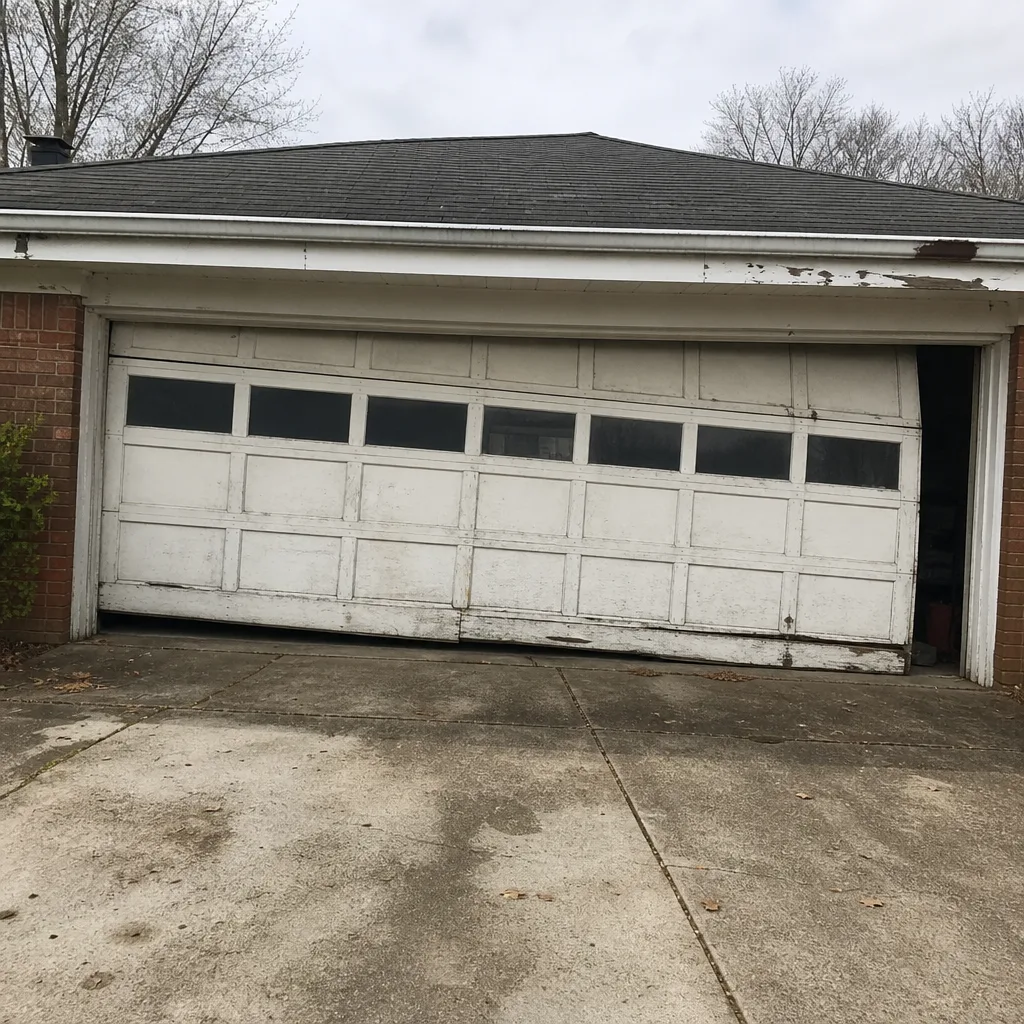
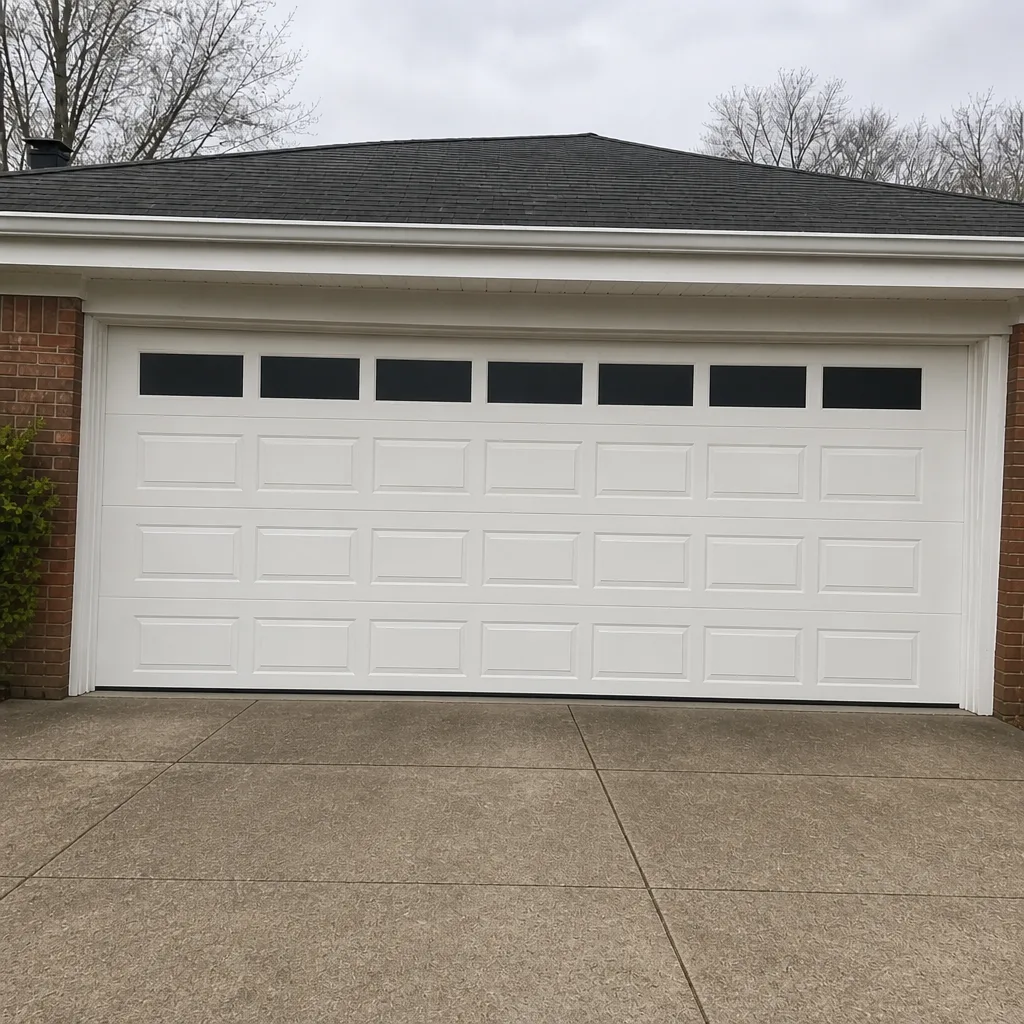
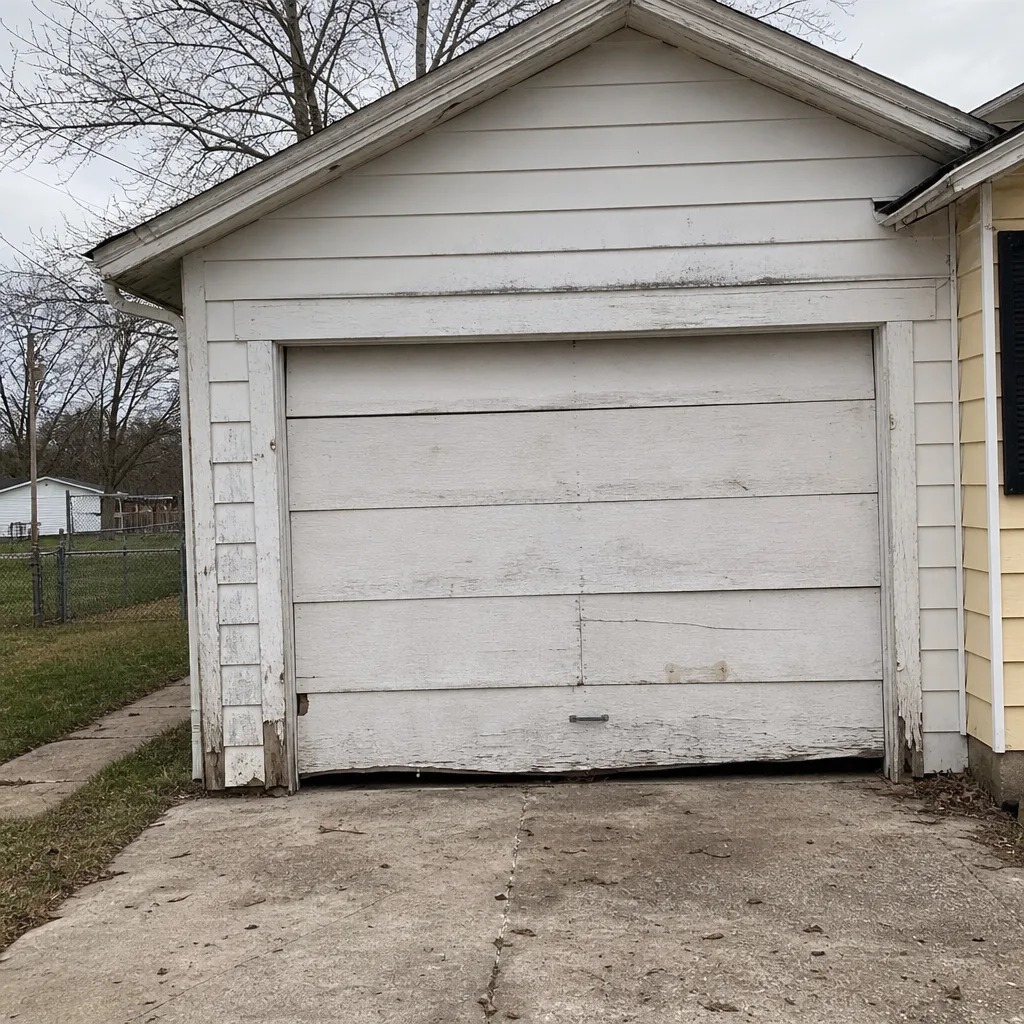
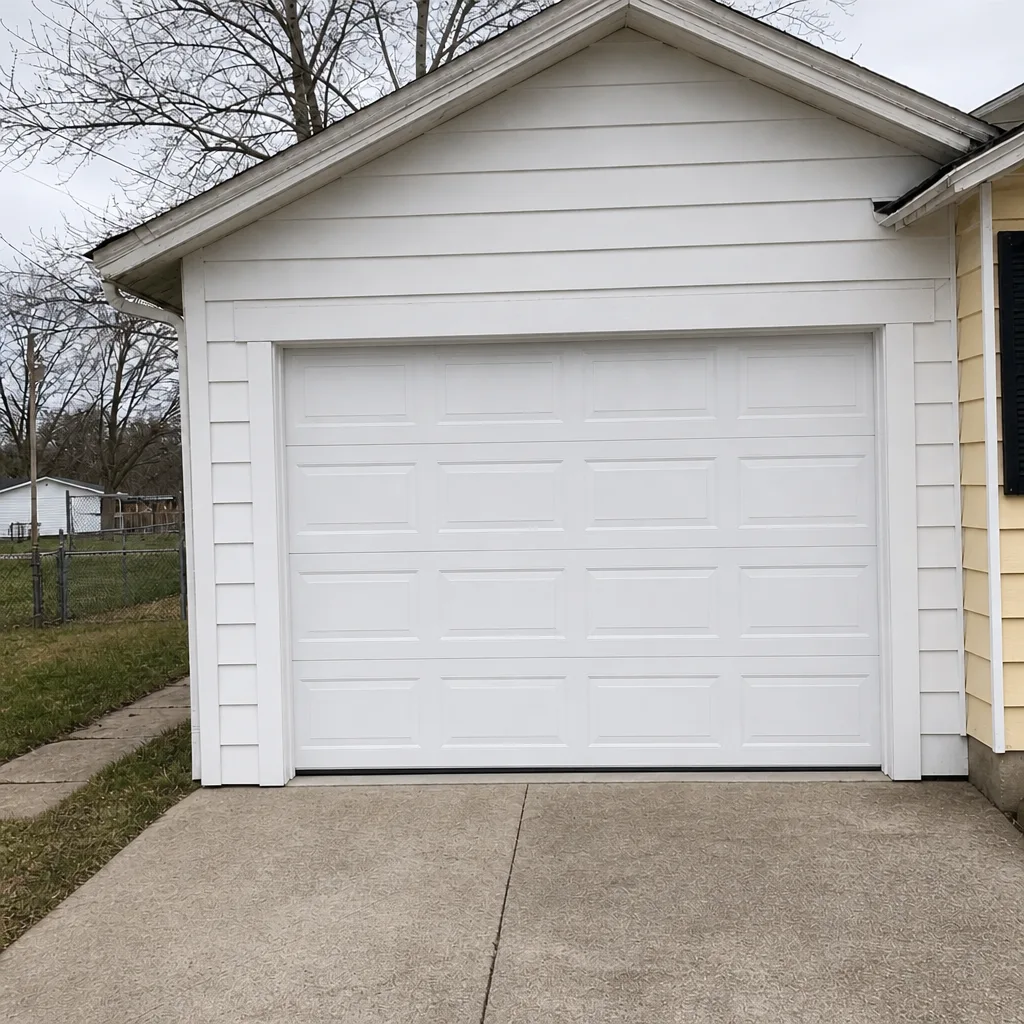
See the difference
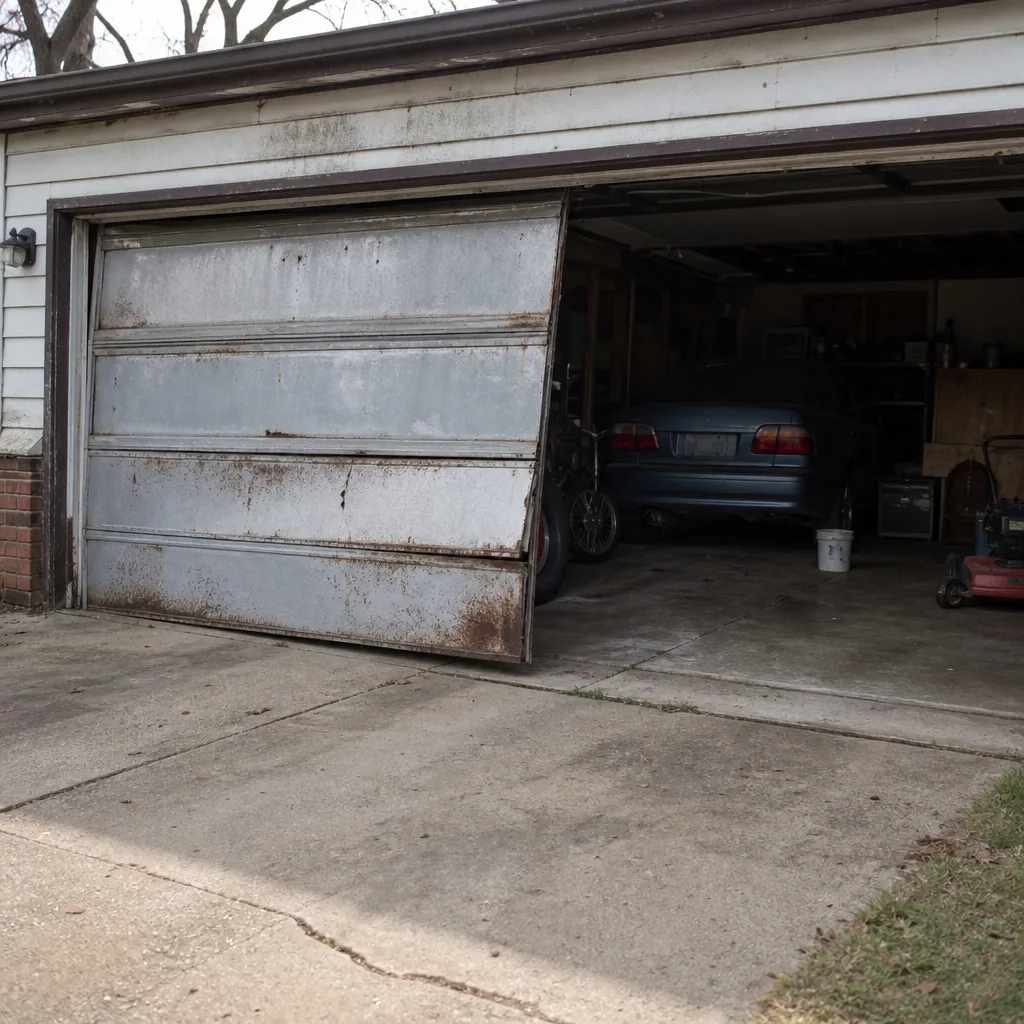 Before
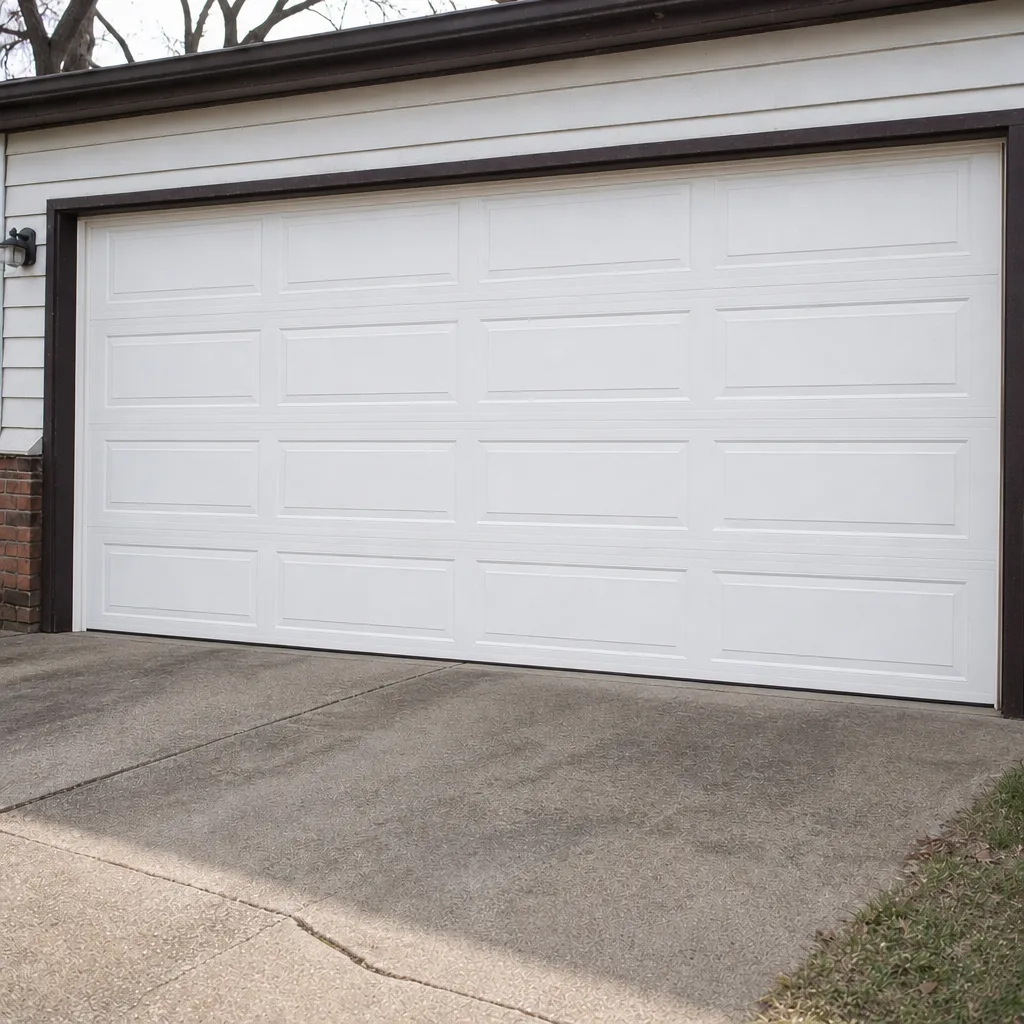 After
 Before
 After
 Before
 After
When to Call a Professional
Some of this list you can do yourself. But specific situations should go straight to a technician: a balance test that keeps failing after adjustment, a torsion spring that’s visibly broken or sagging, a cable that’s frayed or off its drum, an opener that reverses for no reason after the sensors are clean and aligned, or any time you can’t identify where a new noise is coming from. The same goes for a door that’s visibly damaged after something struck it, and for any door ten years or older that’s never had a spring inspection.
The one rule that matters: don’t handle a torsion spring or a cable. Those are the parts that cause serious injuries.
Irvington Garage Door Repair Pros offers free estimates in Irvington – call (833) 468-3082. We answer 24/7. Fast dispatch from 7am to 7pm, Sunday through Friday. We work on the brand you already have, and our technicians have up to 15 years of experience with the brands most Irvington garages already run on.
Frequently Asked Questions
Most garage doors in Irvington need a hands-on service call once a year and a self-inspection every month or season. The monthly self-check is the balance test, a listening pass, and a look at the weatherstrip. The annual service is lubrication, balance adjustment, spring and cable inspection, and a full safety-reverse test. A homeowner doing the monthly and seasonal checks on this list is typically well covered, and anything that fails a check is what triggers a professional call. For an exact quote on a service visit, call (833) 468-3082 – estimates are free.
In our experience, it’s spring wear driven by freeze-thaw cycles. A torsion spring on a door in Irvington takes more stress per year than a spring on a door in a milder climate, because moisture gets into the coils during the freeze and works the metal during the thaw. The other common cause is opener motor burnout from a door whose balance drifted months before anyone noticed. Both are catchable with the monthly balance test – the spring wears visually over time, and the motor strain shows up as a balance failure. The full list of repair services we cover is on our Irvington Garage Door Repair Pros home page. For a health check on your own door, call (833) 468-3082.
Yes, and you should. Pull the release handle to disconnect the opener, lift the door halfway by hand, and let go. A balanced door holds position. A door that slams, races up, or drifts significantly is out of balance, and that’s a call-in problem. The test itself is safe because it involves only the door, not the spring or the cable. If the balance test fails, don’t try to correct it at the spring – that’s a technician’s job. Call (833) 468-3082 for an exact quote, and estimates are free.
A garage-door-specific silicone or lithium spray lubricant. Avoid general-purpose lubricants, and never use standard WD-40 in the blue can on the hinges – it strips existing lubricant. On the torsion spring itself, only a few sprays of a specialist product along the coils from a distance, and only to ease binding. Never touch a torsion spring by hand, never apply pressure to the coil, and never lubricate a cable. If you want a check on the lube points and the spring at the same time, call (833) 468-3082 for a free estimate.
Usually not. In most of the cases we see, the door is stiff from a balance issue and the opener’s force setting has been raised to compensate – which means the motor is doing more work than it was designed to do. The first things to check are the safety sensors (wiped clean, lights steady, aligned) and the balance test. If both are clean and the door still reverses randomly, the problem is mechanical, and it’s worth a diagnostic. For an exact quote on a diagnostic and repair, call (833) 468-3082.
Not necessarily. Many modern doors – including Clopay, Amarr, Wayne Dalton and Raynor – have replaceable panel sections, which is often the right call for a single dented panel. A full door replacement is the answer when the frame, track or multiple panels are compromised. A damaged panel is also worth inspecting if the damage has pushed the door out of alignment. If you’re weighing repair versus replacement, garage door installation is worth a conversation, and we can tell you the difference during a free estimate. Call (833) 468-3082.
The Bottom Line
Your garage door tells you when it’s about to fail – the only question is whether you’re looking. The three signals to watch for are a new sound, roller wobble, and a gap at the bottom. The 30-second balance test is the most valuable habit on this list and the one most often skipped. Lubricate the hinge pivots, the roller stems and the metal parts of the torsion spring with a specialist spray, and leave the cables alone. In Irvington, weatherstripping wears faster than in milder climates, so check it every fall before the first freeze. Springs and cables are visual inspections only – never a hands-on job. The routine is simple, and catching a failure at the balance stage saves the motor. If anything fails this list, call us at (833) 468-3082 for a free estimate. We work on the brand you already have, and a single call covers the repair, the parts and the installation.
Written by the team at Irvington Garage Door Repair Pros.