
Last updated November 20, 2026
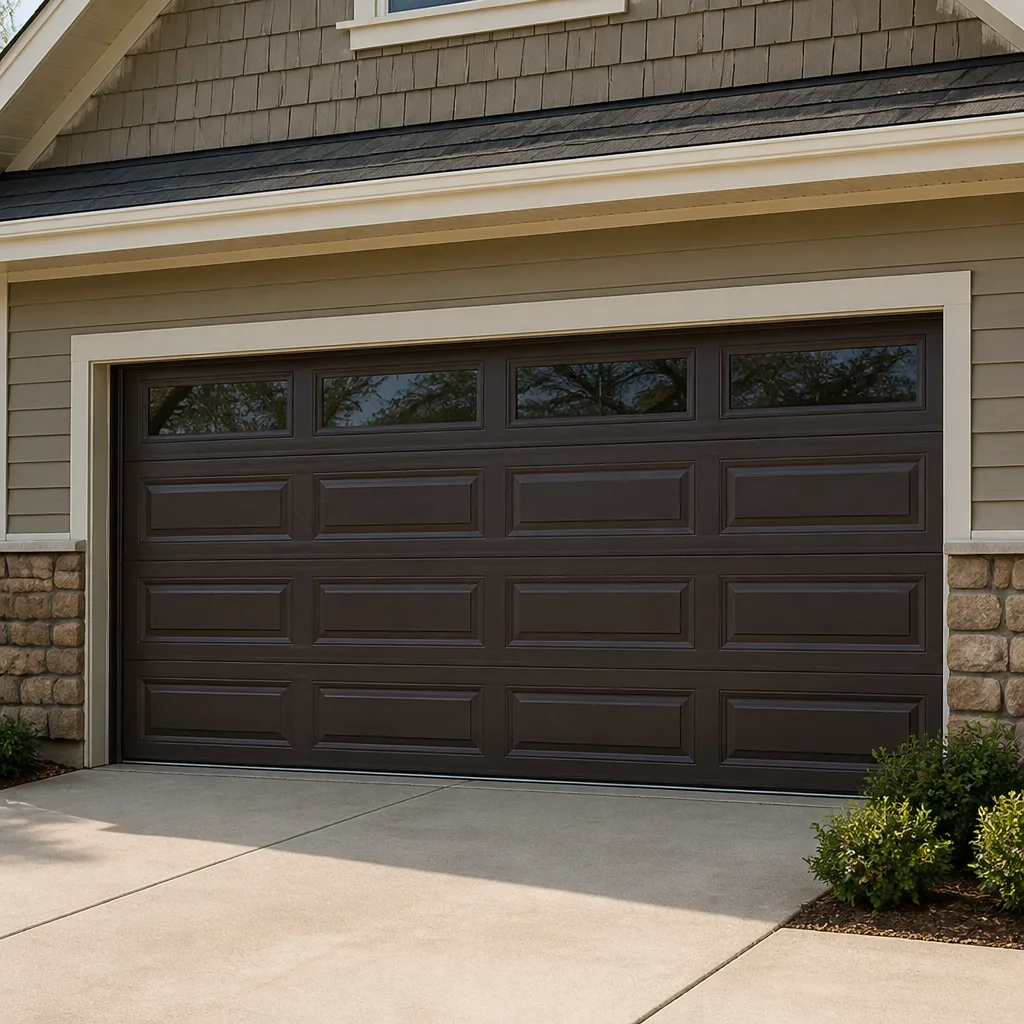 Raised-panel steel
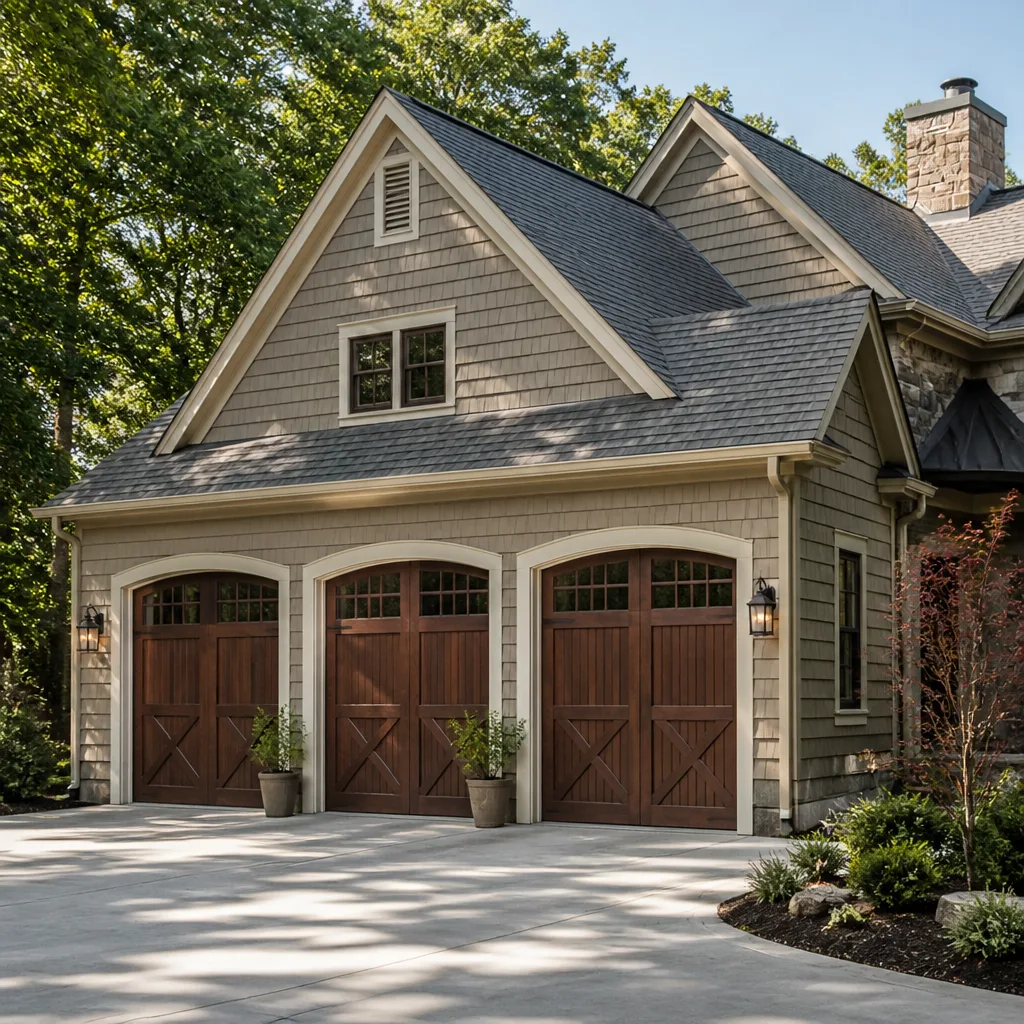 Carriage house
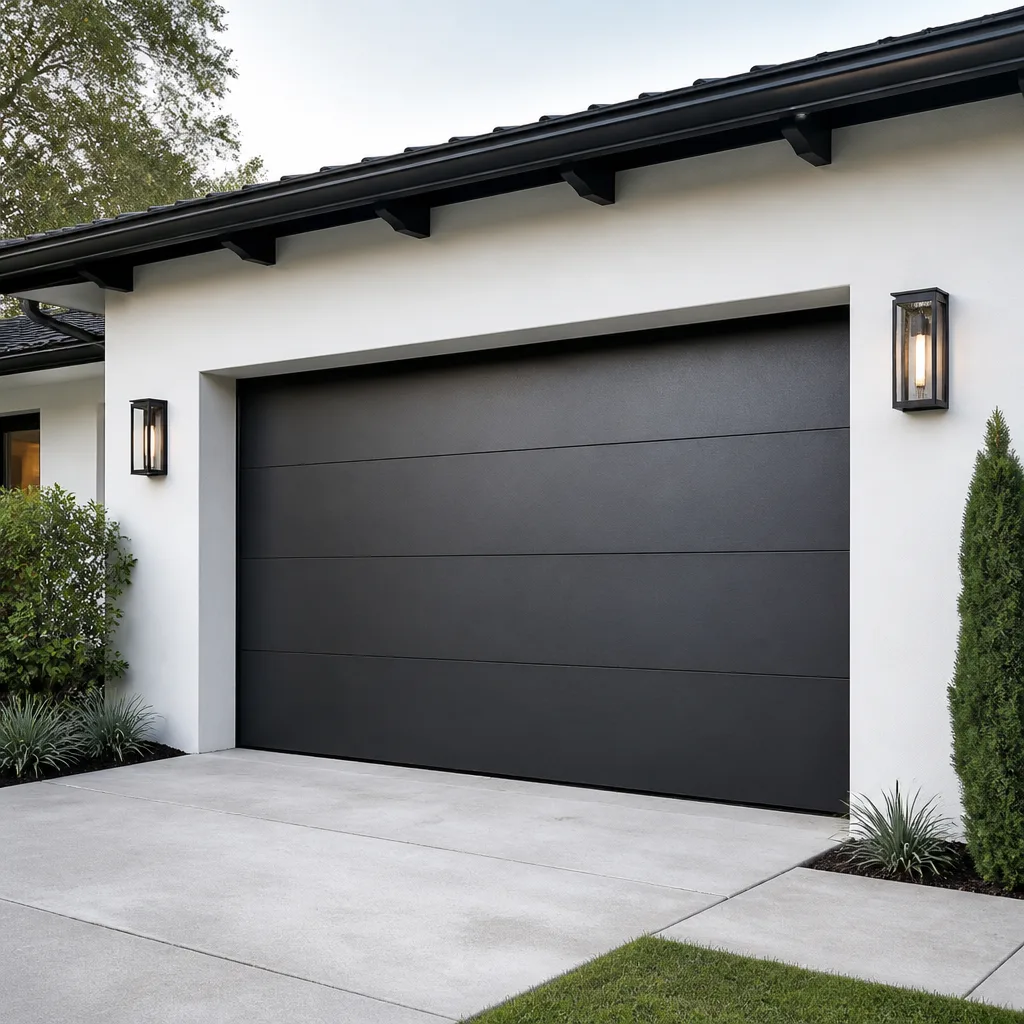 Modern flush
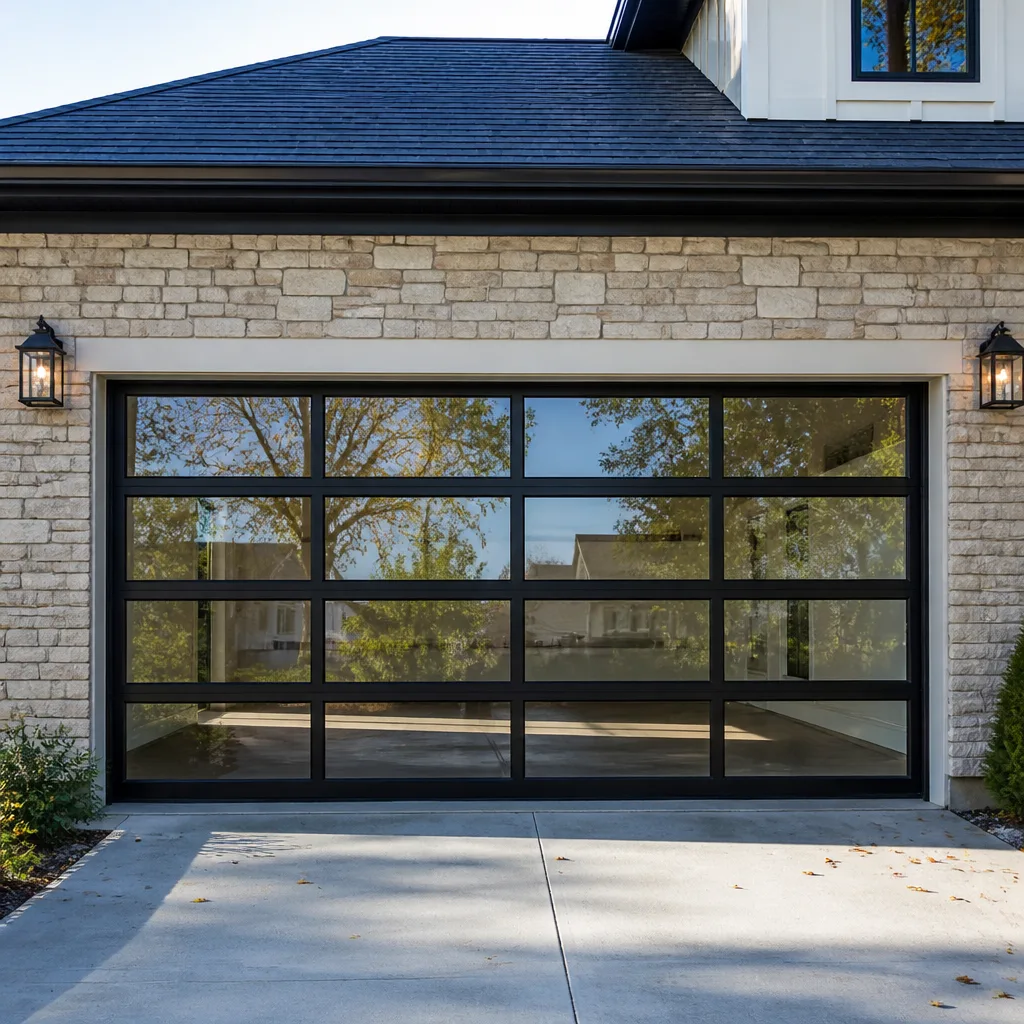 Full-view glass
 LiftMaster openers
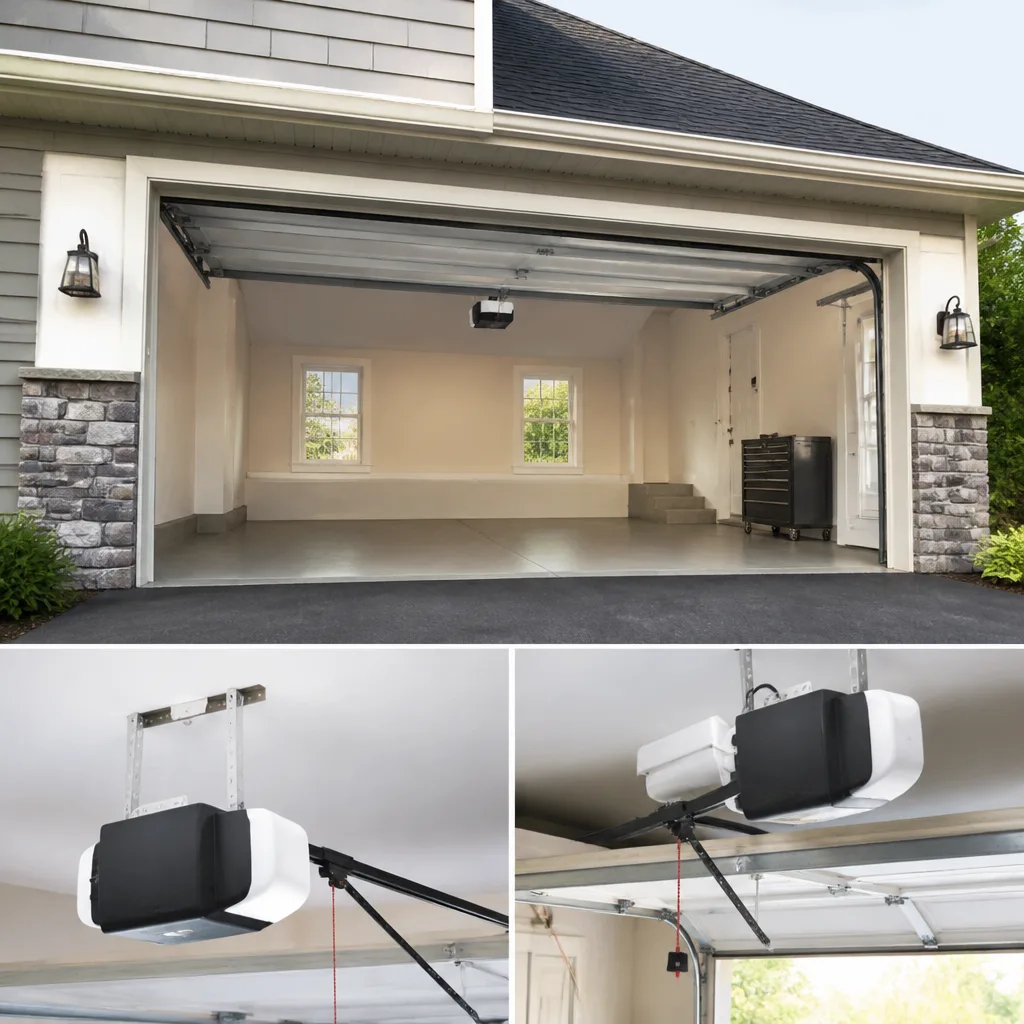 Chamberlain openers
Full 25-point door and opener safety check with every visit - springs, cables, rollers, tracks, and your LiftMaster or Chamberlain opener included
You get a price before we start. It does not change when the pro arrives.
Get your free estimateThe Complete Guide to Garage Doors in Irvington
Most Irvington homes were built before the modern garage door opener existed. That single fact explains more garage door trouble in this neighborhood than any other. The door, the springs, and the opener were often installed decades apart by different hands, and almost nothing was sized with the rest of the system in mind. A spring installed in the 1990s can be pushing an opener bolted up in the 2000s on a door hung in the 1960s. When one piece fails, homeowners tend to blame the wrong one and pay for a repair that never touches the actual problem. This guide walks through the whole mechanical picture in Irvington, from how the old detached garages here shape spring and opener choices to how to tell a door problem from a spring problem from an opener problem. You’ll learn which components fail first, how to read a door’s history from its hardware, and when a full-system approach makes more sense than another piecemeal fix.
Quick Answer
A garage door is a system of four moving parts that wear on different schedules: the door and its hinges and rollers, the springs that counterbalance its weight, the opener that lifts it, and the tracks and cables that keep it aligned. In Irvington, the old detached garages and narrow single-car openings mean springs and openers are often undersized or mismatched, so the smartest move is to diagnose which part actually failed before replacing anything. A trained technician can identify the failed component in one visit and quote the repair before any work starts.
Styles & brands we work with
- Raised-panel steel
- Carriage house
- Modern flush
- Full-view glass
- LiftMaster openers
- Chamberlain openers
Table of Contents
- The Four Parts of a Garage Door System (and Why They Fail Separately)
- How Irvington’s Detached Garages Shape Spring and Opener Choices
- Door Problem, Spring Problem, or Opener Problem? How to Tell
- What Wears Out First on Doors Installed in the 1990s and 2000s
- How to Read a Garage Door’s Mechanical History From Its Hardware
- Full-System Repair vs. Piecemeal Fixes: When Each Makes Sense
- Why Brand Familiarity Matters for Springs, Openers, and Doors
- Spring Safety: The One Repair You Should Never Attempt Yourself
The Four Parts of a Garage Door System (and Why They Fail Separately)
A garage door looks like one thing, but it’s really four systems bolted together. Each has its own lifespan, its own failure mode, and its own price range. Knowing the difference is the single most useful thing you can learn from this guide, because it keeps you from paying for the wrong repair.
The door itself is panels, hinges, rollers, and usually a bottom seal. These wear slowly. Rollers flatten, hinges loosen, panels take impact damage or rust at the bottom edge. A door problem usually shows up as noise, a wobbly panel, or a door that drags in one spot.
The springs are the counterbalance. Torsion springs mount on a shaft above the door; extension springs run along the sides on older setups. Springs carry the weight so your opener only has to guide the door. They’re under high tension and they cycle down over time. A spring problem usually announces itself with a loud bang, or with a door that suddenly feels impossibly heavy and won’t lift past a few inches.
The opener is the motor and the logic board. It pulls, pushes, and now often connects to Wi-Fi. Openers fail electronically: the motor hums without moving, the wall button works but the remote doesn’t, or the safety sensors cut the door off halfway down. An opener problem is usually electrical, not mechanical.
The tracks and cables keep everything aligned. Bent tracks, frayed cables, and loose brackets cause binding, and binding causes the door to come down crooked. Cables are high-tension components too and belong in the same safety category as springs.
Here’s the practical point: when a door won’t open, most homeowners guess at one of these four. A tech who knows the system checks all four in a single visit and tells you which one actually failed. That’s why garage door repair starts with diagnosis, not with a parts order.
How Irvington’s Detached Garages Shape Spring and Opener Choices
Irvington’s housing stock leans old, and a lot of it comes with a detached garage set back from the house. That layout quietly affects two decisions most guides never mention: which spring type fits and where the opener goes.
A detached garage is its own building. It’s not insulated by the house, it’s not wired the same way, and it wasn’t built to a modern template. When we look at an Irvington garage, three things come up again and again:
- Narrow single-car openings. Many of these garages were built for one car with barely any clearance on the sides. That means less room for track brackets, tighter spring mounting, and openers that have to be centered exactly or the door binds against the jamb.
- Torsion vs. extension springs. Older detached garages often started life with extension springs along the sides. Torsion springs are the more reliable modern standard, but converting means checking that the door’s framing and headroom can take the shaft. It’s a real decision, not a swap.
- Opener placement and power. A detached garage may have limited or older wiring, and the opener has to be mounted so the door’s travel is straight. We see openers hung slightly off-center to clear a beam or a stored ladder, which stresses the door’s hinges over time.
The lesson for Irvington homeowners is simple: the same spring and opener that works in a modern attached garage won’t automatically fit your detached one. Getting the type and placement right the first time is cheaper than replacing the wrong part twice.
Door Problem, Spring Problem, or Opener Problem? How to Tell
Misdiagnosing costs money because you buy the wrong part. Every week, homeowners replace an opener that was fine and leave the real problem, a tired spring, in place. Here’s how to tell the three apart before you call.
- Disconnect the opener and try the door by hand. If it lifts easily and stays up, the door and springs are probably healthy and the trouble is likely the opener. Most openers have a manual release pull cord for exactly this test, and it’s safe from the floor.
- If the door is heavy and won’t stay up on its own, suspect the springs. A door that slams down or feels like dead weight by hand is telling you the counterbalance has failed. Stop using the opener at this point. Forcing a motor to lift an unbalanced door can damage the opener too, so you end up paying for both.
- Listen for the sound. A bang from inside the garage followed by a door that won’t lift is the classic spring failure. A hum with no movement, or a door that goes up a little and reverses, points to the opener or its safety sensors.
- Watch the door travel straightness. If the door goes up crooked, drags on one side, or jerks, that’s usually tracks or rollers, not springs or opener. Look along the tracks for a bend or a roller popped out of the channel.
- Check the wall button versus the remote. If the wall button still works but the remote doesn’t, the opener is fine and the problem is the remote, the battery, or the radio logic. That’s an easy fix, not a replacement.
The point of this list isn’t to turn you into a technician. It’s to stop you paying for the wrong repair. A proper diagnosis by someone who works on all four systems is where Irvington Garage Door Repair Pros starts, because a five-minute check on the door by hand tells us more than any symptom description over the phone.
What Wears Out First on Doors Installed in the 1990s and 2000s
The 1990s and 2000s saw a wave of garage door and opener replacements across Irvington, and those installations are now hitting the end of their service life. The parts don’t fail all at once. They fail in a predictable order, and knowing that order helps you plan instead of getting surprised.
Here’s what tends to go first, roughly in sequence:
- Rollers and hinges, first. These are the cheapest parts and they wear fastest. Nylon rollers flatten and steel rollers seize, and hinges loosen at the screw holes. A door that’s noisy or shudders is usually telling you the rollers and hinges are tired, not that the door is failing.
- Springs, next. Springs are rated in cycles, and a spring installed in the 1990s or 2000s may well have used up its count. This is the component that fails with the bang, and it’s the one that needs a professional.
- Openers, after the springs. A 15-to-20-year-old opener is living on borrowed time, especially one that’s been laboring to lift a door whose springs were already weak. The motor and logic board are the common failures.
- Cables and bottom seals, along the way. Cables fray over years of flexing. Bottom seals harden and crack, and a cracked seal lets weather and pests in under a door that otherwise looks fine.
What this means practically: a door from that era isn’t necessarily ready for replacement. It may just need its wear parts refreshed in the right order. Our technicians have up to 15 years of experience reading exactly this kind of aging hardware and can tell you whether you’re looking at a parts refresh or a genuine replacement.
How to Read a Garage Door’s Mechanical History From Its Hardware
A garage door tells its story through its parts. Before you spend a dollar, you can learn a lot about a door’s age, the quality of the work on it, and what’s likely to fail next by looking at a few specific things. This is the kind of read that saves money, because it separates a fresh, healthy system from a stack of mismatched parts.
Here’s what to look at and what it tells you:
- Spring color-coding. Springs are often painted at the end with a color code that identifies their strength. Mismatched paints on a two-spring door suggest one was swapped for whatever was on hand rather than a matched pair, which puts uneven load on the door.
- Screw and bolt types. A door with a mix of new shiny bolts and old rusted ones shows a repair history. Someone has been in there, sometimes more than once, and the story is worth knowing.
- Opener brand versus door era. A newer opener on an older door, or a legacy Craftsman opener on a door from a different decade, tells you the two weren’t installed together. That’s the mismatch this whole guide is about.
- Track alignment and bracket placement. Look along the tracks from the floor up. A bend, a slightly skew bracket, or a track that’s been hammered back into shape tells you the door’s been binding and someone patched it rather than fixed the cause.
- The bottom edge. A rusted bottom panel or a cracked bottom seal tells you the door’s been dealing with weather and time, and that the seal is overdue.
You don’t need to be a technician to notice these things. But once you’ve spotted a mismatched spring or a patched track, you know your door needs a proper look before it needs a new part. That’s the moment to call a professional for a real diagnosis.
Full-System Repair vs. Piecemeal Fixes: When Each Makes Sense
This is where a lot of Irvington homeowners spend money they didn’t need to. The garage door trade has two approaches, and they’re priced and timed differently. Choosing the right one is mostly about how much of the system is failing at once.
Piecemeal repair means fixing the single failed part. A snapped spring, a dead opener, a bent track. It makes sense when the rest of the system is healthy, the door is balanced and quiet, and you’re fixing one clear failure. It’s the cheaper option on the day, and sometimes it’s the right call.
Full-system repair means looking at all four systems together and replacing the wear parts as a set. It makes sense when the door is showing several tired components at once: a spring failure plus an opener that’s struggling, or a door with worn rollers, a frayed cable, and a bent track all competing. In that situation, fixing one part means the next one fails in a month, and you’re paying for a second visit for something a proper look would have caught.
How to decide, in order:
- Count how many of the four systems are showing clear signs of wear. One is a piecemeal job. Three or four usually means a full-system refresh is smarter.
- Check the door’s balance by hand. A door that stays up anywhere along its travel is mechanically sound and probably just needs the failing part fixed.
- Consider the age of the opener against the age of the door. If they’re close in age and both are tired, a matched replacement often costs less than two separate repairs.
- Ask yourself whether you plan to keep the house and the door. A full-system approach pays off over time; a piecemeal fix is fine if a replacement is already on your list.
For a full-system or new-door project, the smart first step is a garage door installation measure and written quote, so you’re comparing real numbers rather than guesses.
Why Brand Familiarity Matters for Springs, Openers, and Doors
Garage doors aren’t a universal-fit product. Openers have different logic boards, remotes, and travel settings by brand. Springs have specific wire sizes and cycle ratings. Doors have panel dimensions that differ between makers. When a technician isn’t familiar with the brand in your garage, the job stalls while someone figures out the system or orders a part.
We work on eight of the most widely installed residential brands: LiftMaster, Chamberlain, Genie, Clopay, Amarr, Wayne Dalton, Craftsman, and Raynor. That spreads across the two big smart-home opener lines, LiftMaster and Chamberlain, and the legacy systems like Craftsman that are still bolted up in a lot of older Irvington garages. On the door side it covers premium panel makers like Clopay, Amarr, and Wayne Dalton. That’s what we mean when we say we work on the brand you already have.
It also matters for parts. Garage door parts supply is part of our service, not a separate errand. When a job needs a spring, a roller set, or a logic board, having parts available keeps the job moving rather than waiting on a third-party order. If an opener is failing, garage door opener repair starts with confirming the brand and model so the right part is on hand.
Spring Safety: The One Repair You Should Never Attempt Yourself
Springs are the most dangerous component in your garage door system, and we treat them that way. Torsion springs store enormous energy. When one lets go, or when it’s under tension during a repair, the stored force can cause serious injury. Cables under tension are in the same category.
This isn’t a lecture. It’s the reason spring repair is its own dedicated service rather than something folded into a general handyman call. What’s safe for you to do is diagnosis, not repair:
- You can safely test the door by hand with the opener disconnected, as we described above.
- You can safely look for a snapped spring, a hanging cable, or a bent track, and stop using the door if you find one.
- You can safely check the opener’s wall button and remote to rule out the easiest causes.
What you shouldn’t do is wind, unwind, adjust, or remove a spring or a cable yourself. Those need the right tools, the right technique, and a trained technician who knows the load involved. If you’re unsure whether a spring has failed, don’t force the door. Call for a professional look.
Common Mistakes to Avoid
- Replacing the opener when the springs failed. This is the most expensive misdiagnosis we see. A heavy door that the opener can’t lift usually means weak springs, not a bad motor, so test the door by hand first.
- Ignoring the loud bang. A bang followed by a door that won’t lift is a spring failure. Continuing to run the opener makes it worse and can damage the motor too.
- Assuming a modern opener fits an older Irvington garage. Detached garages with narrow openings and older wiring may need the opener mounted differently or the springs converted. What fits a newer attached garage doesn’t automatically fit here.
- Replacing one spring of a matched pair. Springs are usually replaced as a pair because they wear together. One new spring on an old partner puts uneven load on the door, and the old one fails soon after.
- Buying parts before diagnosis. Buying a roller set or a new remote before confirming the actual failure is common, and often wrong. Diagnose first, then order.
- Patching a bent track instead of finding the cause. A hammered-back track usually means something is binding. Fix the cause or the bend comes back.
- Letting a bottom seal go. A cracked bottom seal lets weather and pests in under a door that otherwise looks fine. It’s an easy fix with real value, especially on older detached garages.
See the difference
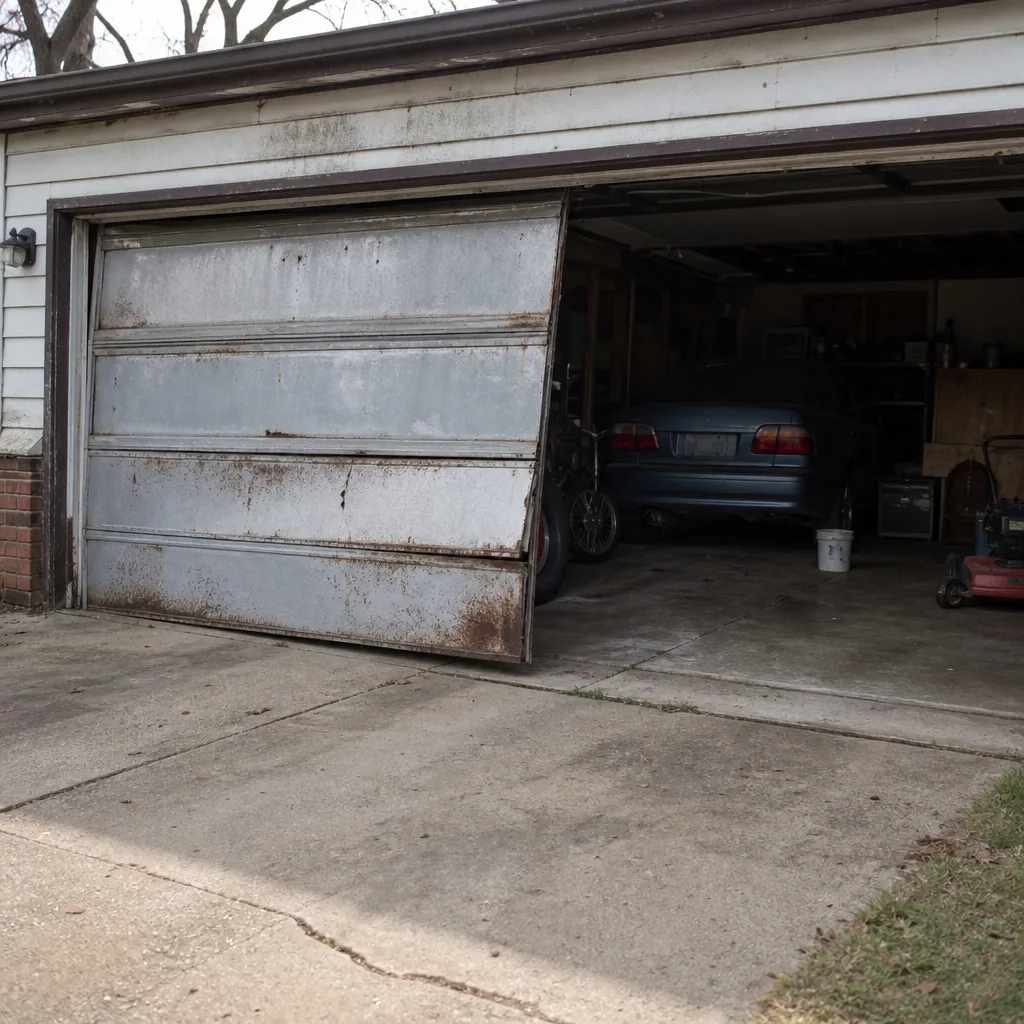 Before
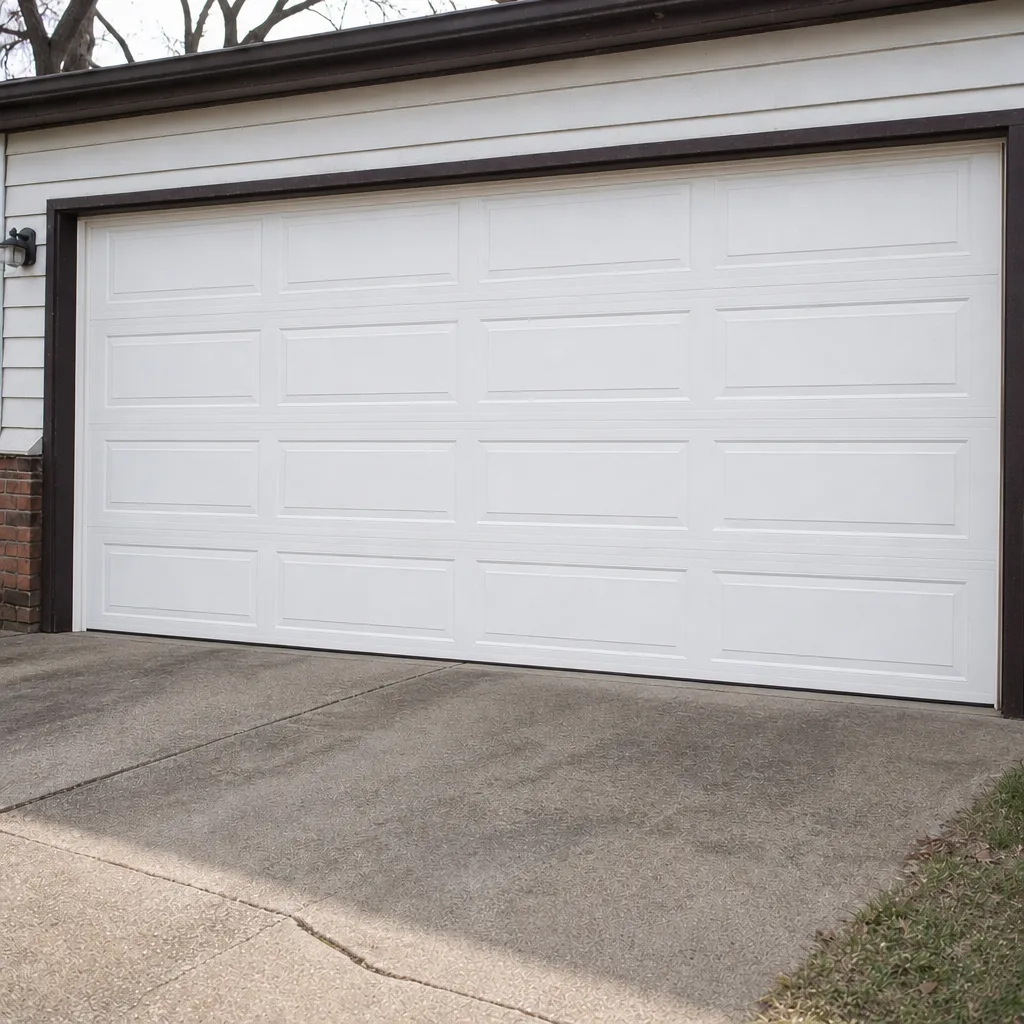 After
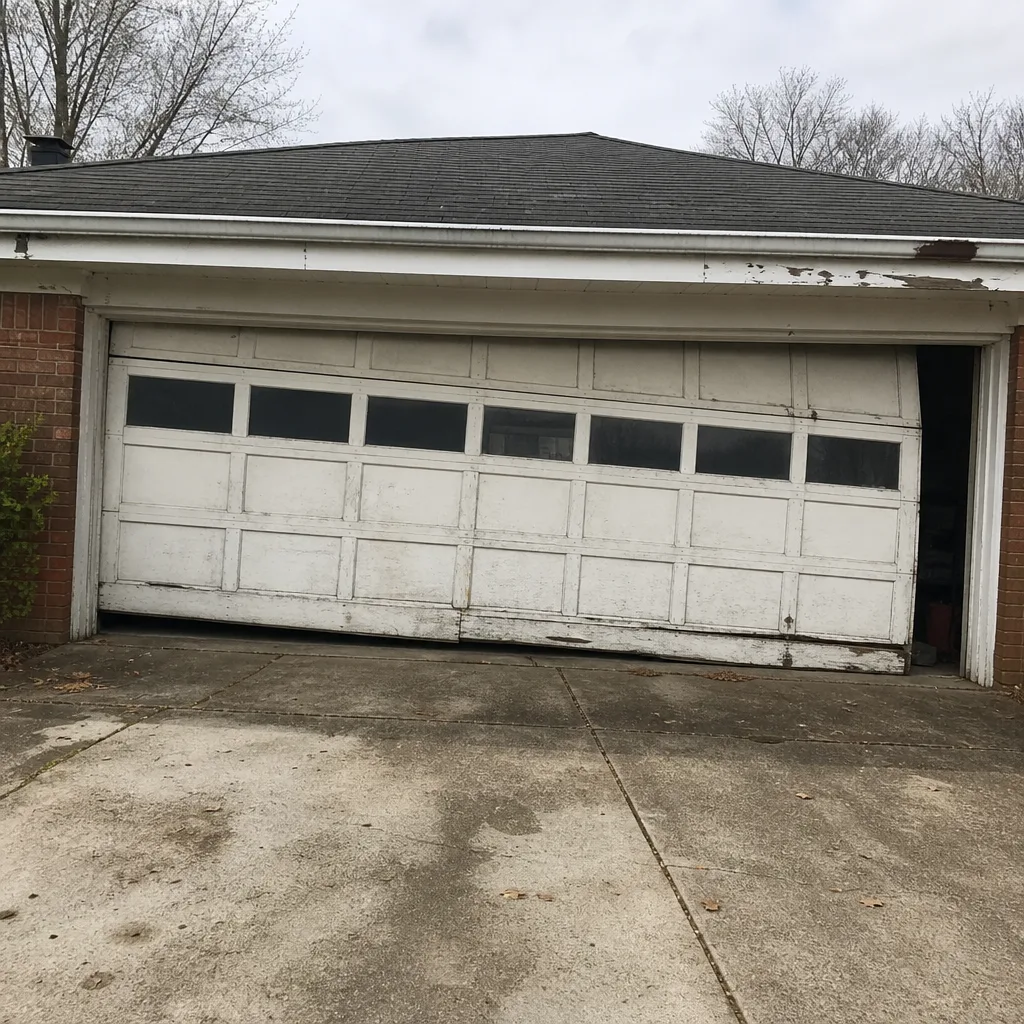 Before
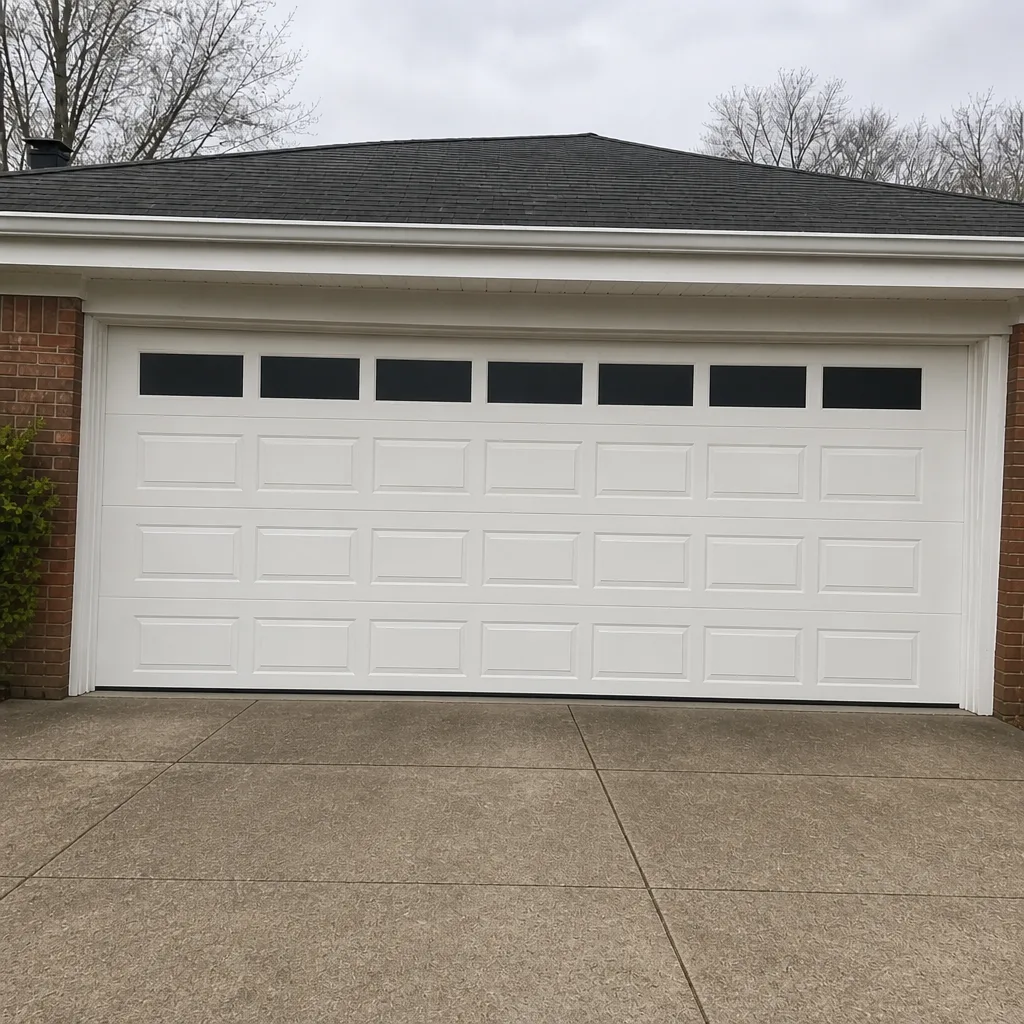 After
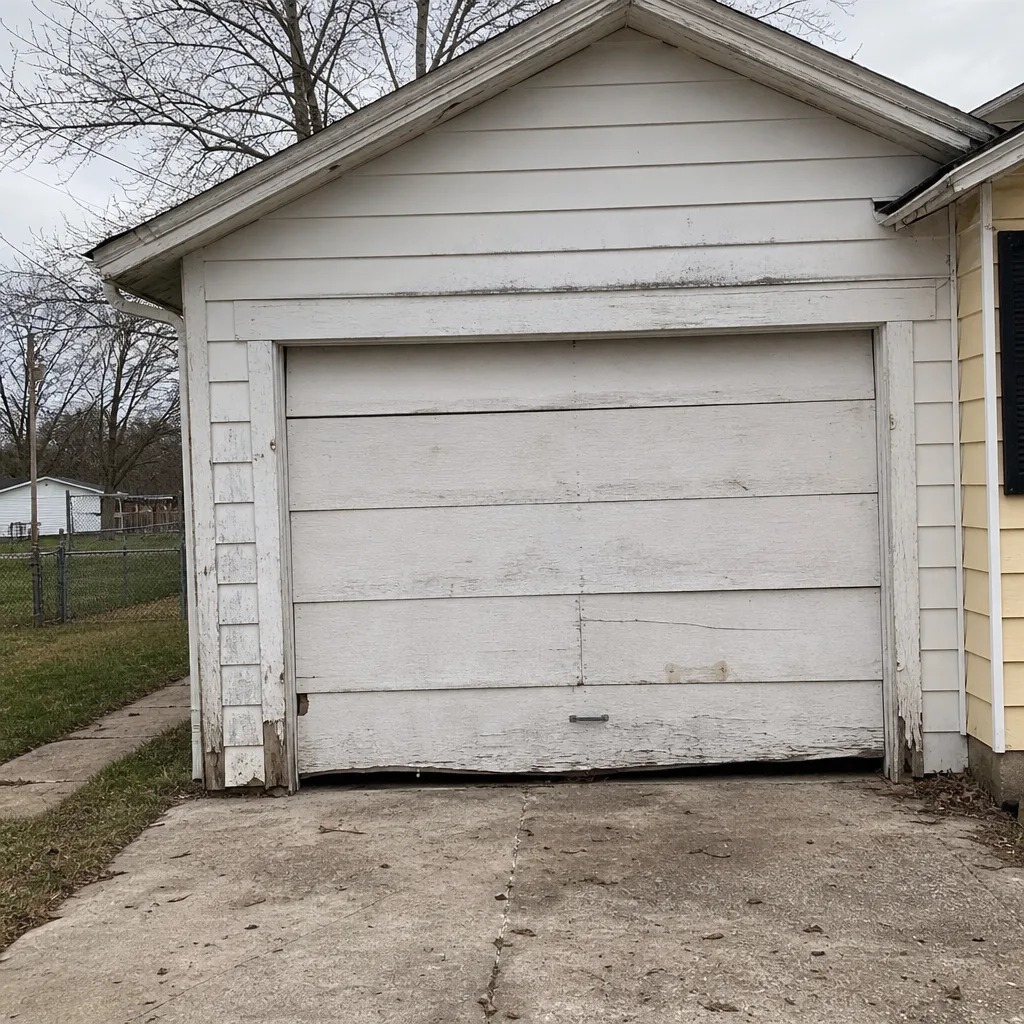 Before
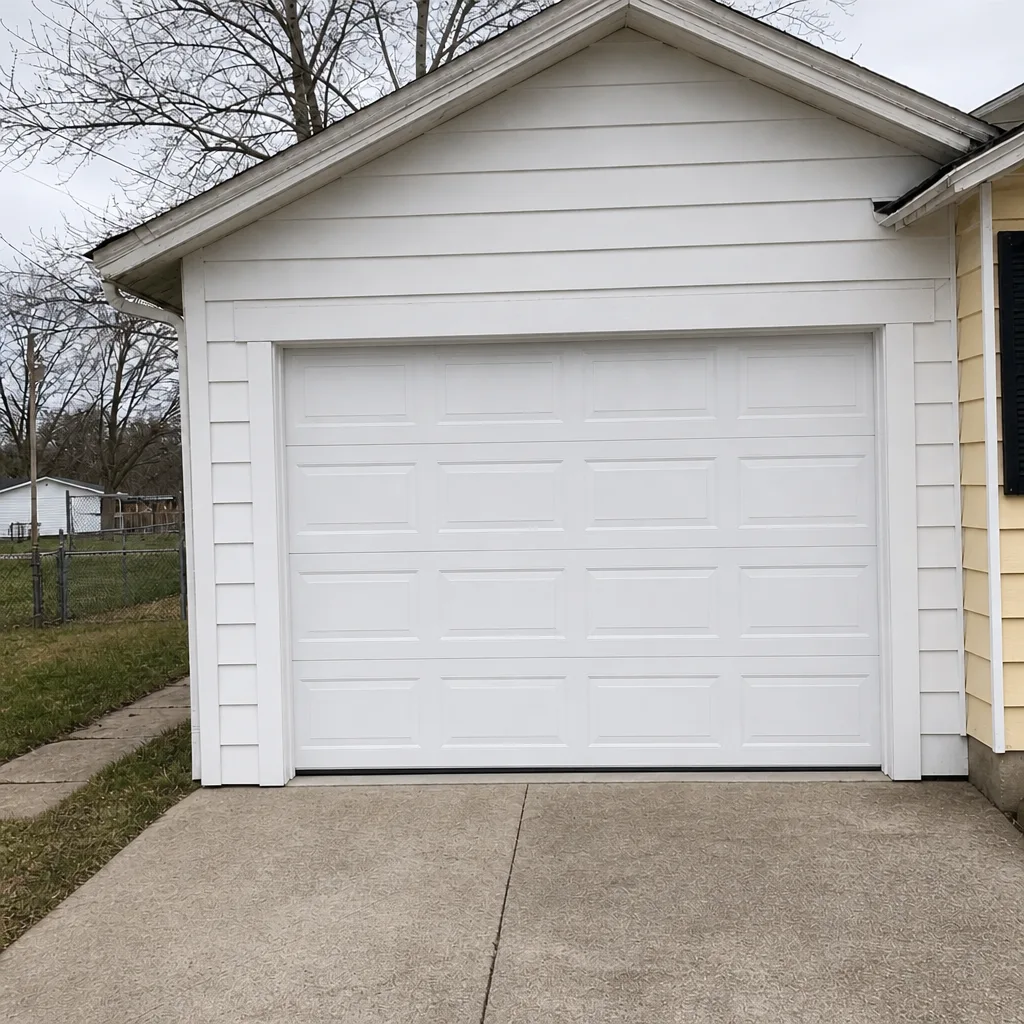 After
When to Call a Professional
Some garage door problems are worth a call, and some are worth watching. Call a professional when a spring has snapped, when a cable is hanging loose or frayed, when the door comes down crooked or binds in the tracks, or when the opener hums without moving the door. Call when you’ve replaced a remote or a battery and the door still won’t respond. Call when the door feels heavy by hand. Call when you’re planning a new door and want a proper measure instead of a guess. Irvington Garage Door Repair Pros offers free estimates in Irvington. Call (833) 468-3082. We answer 24/7. Fast dispatch from 7am to 7pm, Sunday through Friday.
Frequently Asked Questions
Spring repair pricing depends on the spring type, whether it’s torsion or extension, and whether one or a matched pair is replaced, so the written estimate is the price. A technician will confirm the type and the pair before any work starts, and the quote is agreed before the job begins. Call (833) 468-3082 for a free estimate.
Same-day service is often possible for repairs like a failed spring or an opener that won’t respond. We answer 24/7, and fast dispatch runs from 7am to 7pm, Sunday through Friday. A call outside dispatch hours is booked into the next opening. Call (833) 468-3082 for an exact arrival window.
No. The written estimate sets the price, and it’s agreed before any work starts. If the diagnosis turns up something different from what was expected, the technician explains it and gives you a revised quote before proceeding. Nothing gets added after the fact. Call (833) 468-3082 for a free estimate.
The local professional we connect you with is licensed and insured as their state requires. Our technicians have up to 15 years of experience working on LiftMaster, Chamberlain, Genie, Clopay, Amarr, Wayne Dalton, Craftsman, and Raynor equipment. Call (833) 468-3082 to schedule.
A sudden failure with no warning usually means a spring snapped or a cable let go, not an electrical problem. Test the door by hand with the opener disconnected: if it’s heavy and won’t stay up, it’s the counterbalance. Stop running the opener and call (833) 468-3082.
It depends on how many of the four systems are failing at once. If the door is balanced and quiet and only one part has failed, a repair is the better value. If several parts are worn and the opener is the same age, a full-system refresh or a new door can cost less over time. A free measure and written quote will show you both numbers. Call (833) 468-3082.
The Bottom Line
A garage door is four systems wearing on four schedules. In Irvington, the older housing stock and detached garages make it especially likely that the door, springs, and opener were installed at different times and never quite matched. The money-saving habit is to diagnose before you replace: test the door by hand, listen for the bang, watch for crooked travel, and read the hardware for its history. Springs and cables are high-tension parts and belong in a professional’s hands, not a homeowner’s. When you’re ready for a proper look, a free written estimate and an upfront price set before work starts is how it should go. One call covers the repair, the parts, and the installation.
Call (833) 468-3082 for a free estimate. We answer 24/7. Fast dispatch from 7am to 7pm, Sunday through Friday.
Written by the team at Irvington Garage Door Repair Pros.